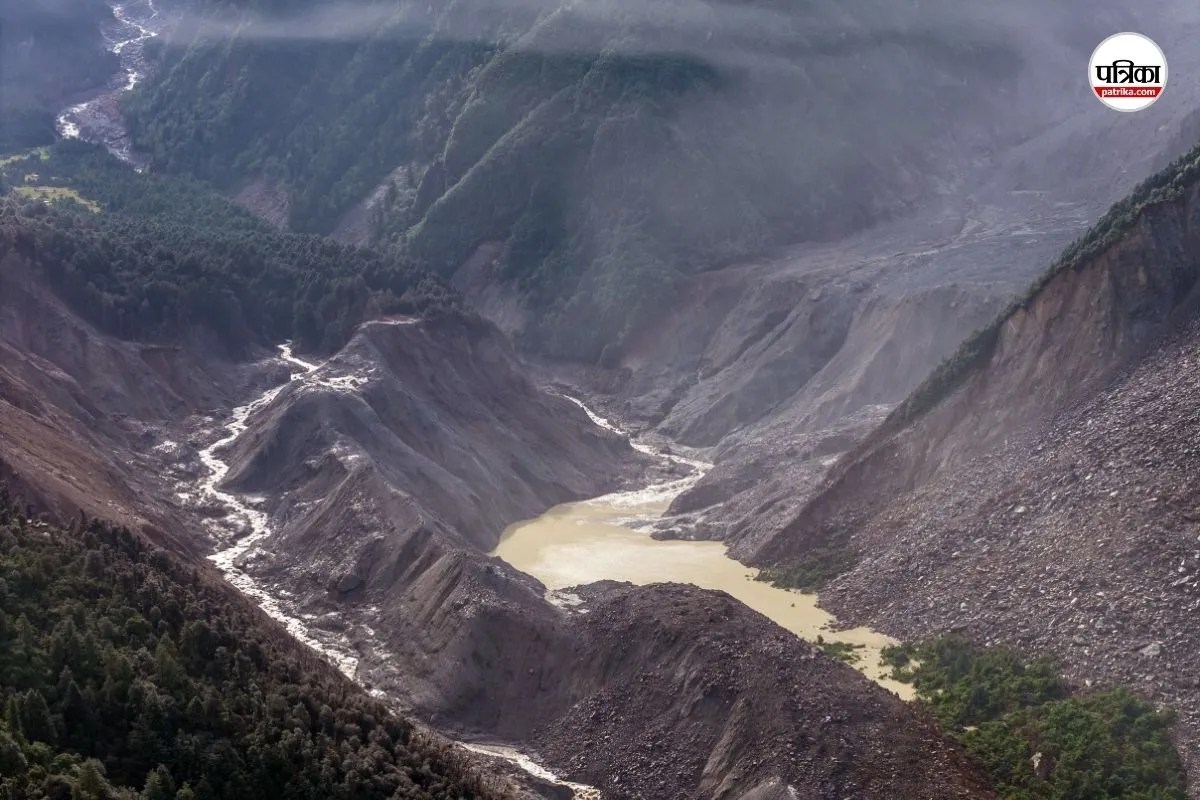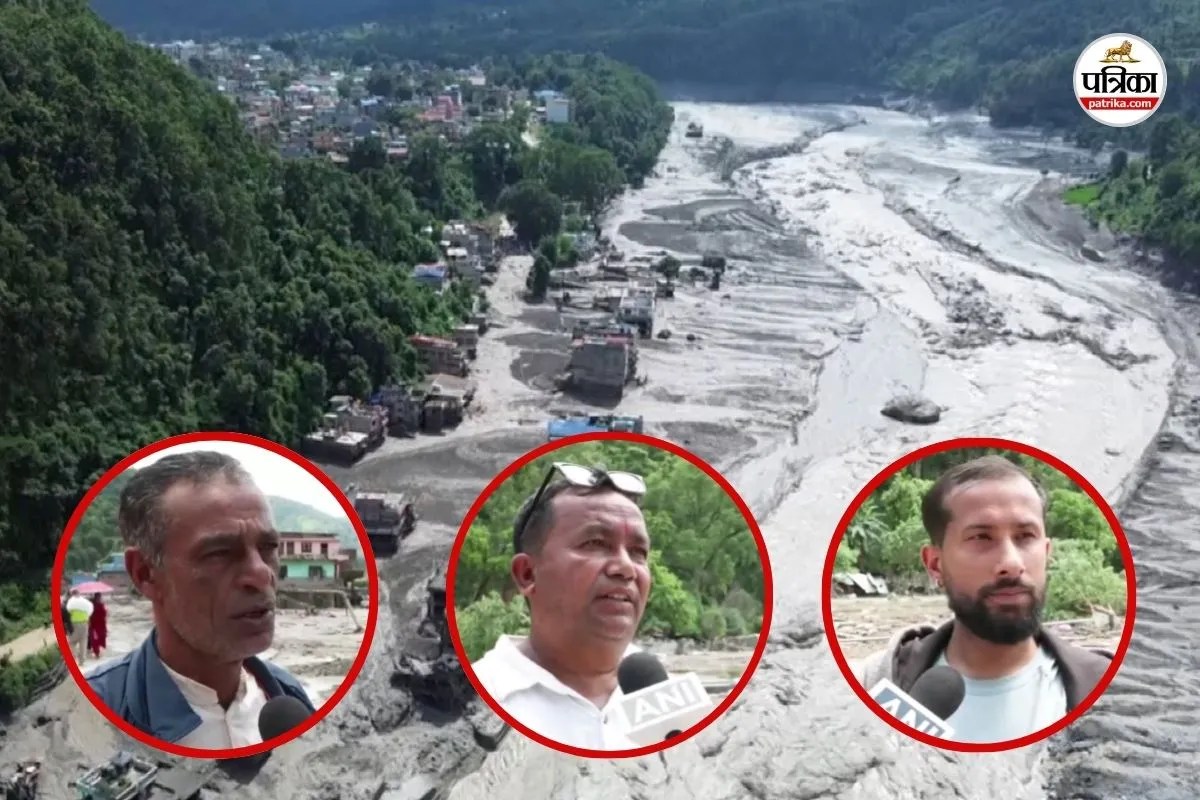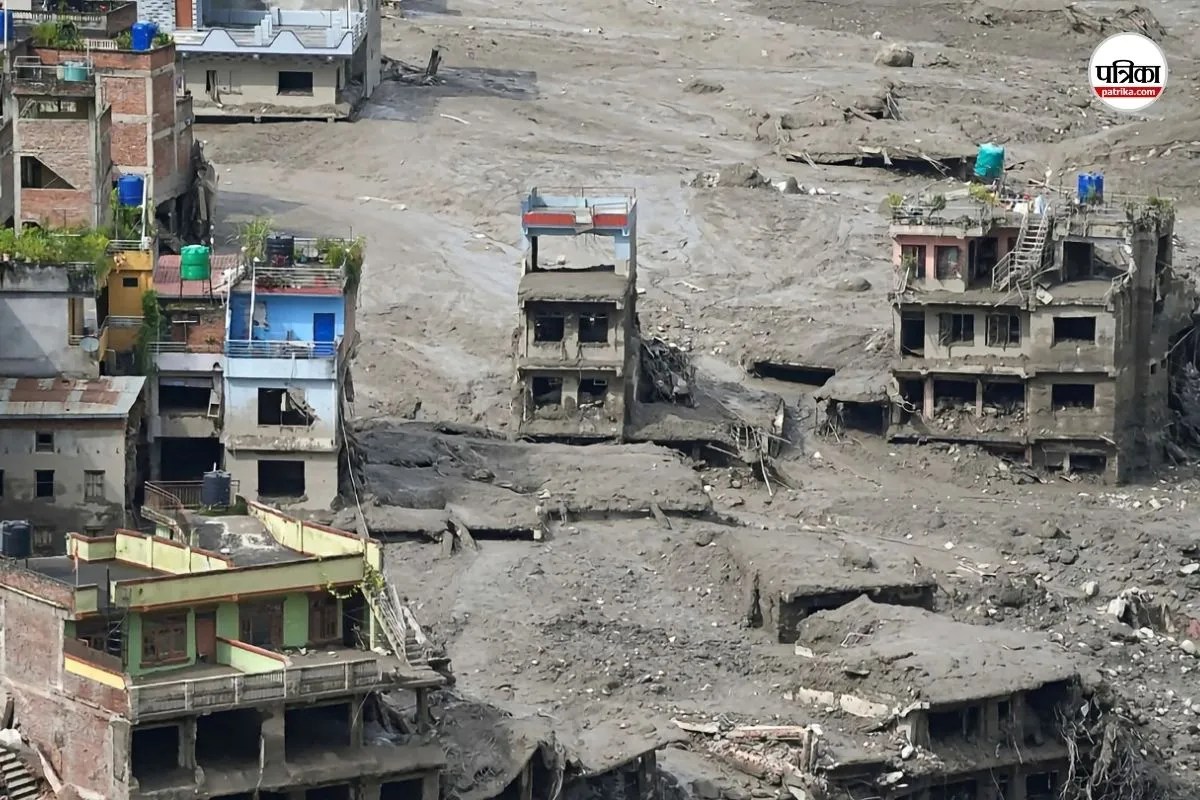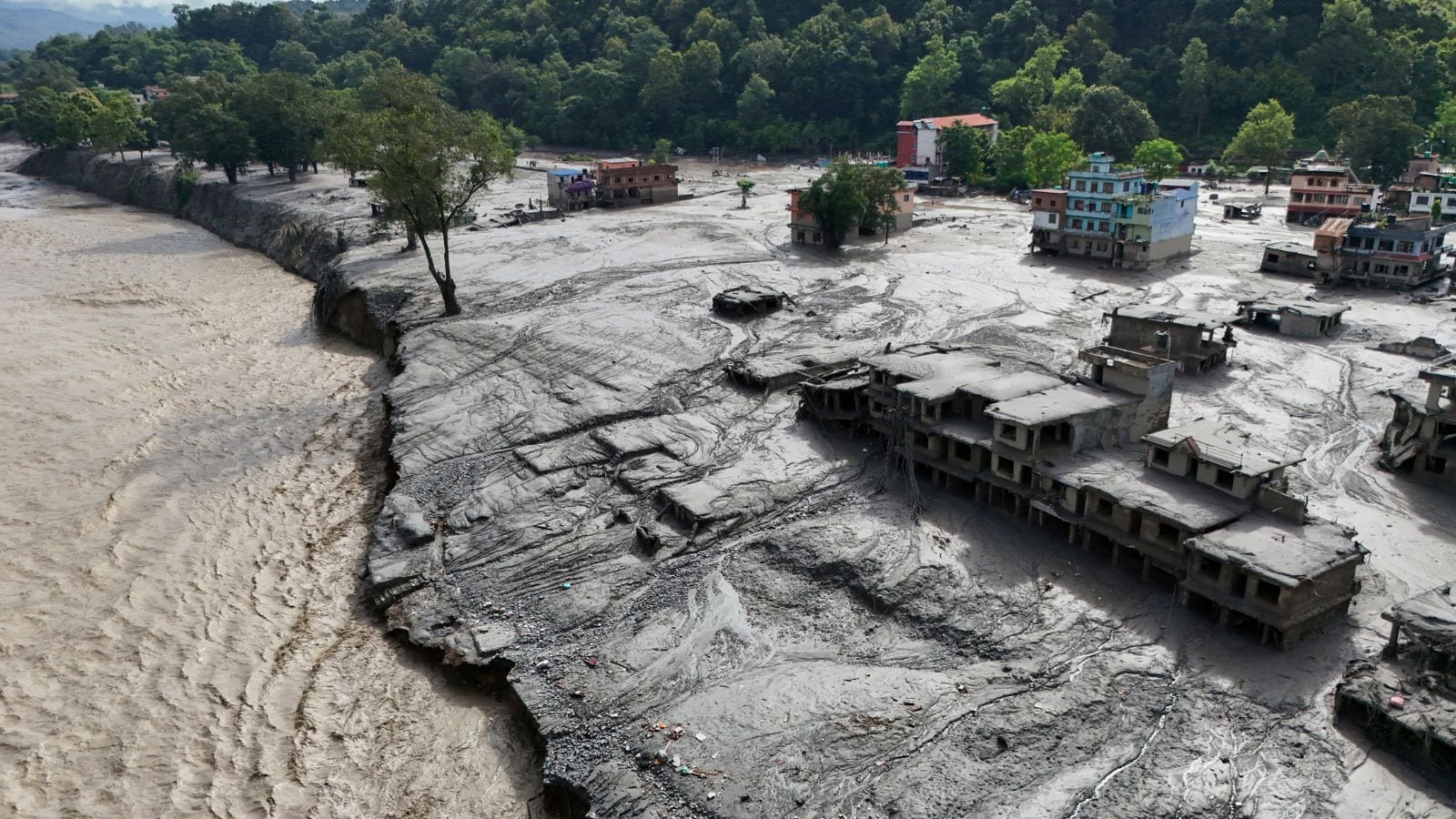
Geographic concentration and seasonal energy imbalances expose small-nation power matrices to immediate structural shocks when glacial events compromise generation assets. When flash floods generated by a high-altitude glacial collapse near the Chinese border swept through Nepalese valleys, the ensuing destruction wiped out roughly 360 megawatts of operational hydropower capacity. This single meteorological anomaly instantly severed approximately 8 percent of the country's total 4,300-megawatt generation capacity, forcing grid operators to rethink short-term energy procurement strategies.
The structural vulnerability of the system stems from a heavy reliance on a single generation technology. Hydropower accounts for more than 90 percent of Nepal's domestic grid supply. Unlike diversified grids that balance coal, natural gas, nuclear, and wind to offset localized failures, a hydro-dominant architecture creates a high correlation between hydrological events and system-wide output. When river systems experience sudden debris flows, siltation surges, or structural impacts on intake structures, the loss of generation capacity cannot be offset by alternative domestic baseload assets.
Beyond operational plants, the disaster disrupted the pipeline of future capacity. The floods damaged a 25-megawatt solar installation alongside five under-construction projects representing an additional 390 megawatts of nameplate capacity. This halts the medium-term supply growth needed to meet rising domestic demand and upends export projections. The financial damage extends down to nine distinct operational hydro facilities distributed across two hard-hit districts, halting revenue generation and forcing emergency capital allocations toward debris clearance and equipment replacement.
The disruption inverts a predictable seasonal power trade dynamic between Nepal and India. Under standard operating conditions, Nepal functions as a net exporter during the wet summer months, capitalizing on high river discharge to sell surplus energy across the border. In contrast, the nation pivots to a net importer during winter months when glacial melt slows and river levels drop. Last year, Nepal supplied 600 megawatts of round-the-clock power to India over a six-month window through November, with structured plans to scale exports by an additional 500 megawatts.
The flash flood forces an inversion of this commercial schedule during peak summer generation season. Instead of pushing surplus energy into the Indian market to capture export revenues, domestic grid managers must request emergency import allocations from Grid India to cover the 360-megawatt deficit. This shift imposes a dual economic penalty. It destroys projected export earnings while simultaneously increasing foreign exchange expenditures on imported power during a period when the state treasury expects a trade surplus in energy commodities.
The systemic risk profile is further amplified by topographical realities. Himalayan river basins feature steep gradients, narrow gorges, and unstable sediment loads. As global temperatures accelerate glacial retreat, glacial lake outburst floods and high-altitude avalanches increase in frequency and kinetic energy. Infrastructure siting models that rely on historical hydrological data from the twentieth century systematically underestimate the probability of high-impact, low-frequency catastrophic events. Dams, desanding basins, and tailrace tunnels built in narrow river valleys sit directly in the path of debris torrents, guaranteeing maximum physical impact during extreme weather.
Grid resilience under these operating conditions requires a fundamental redesign of redundancy protocols and asset distribution. Relying on run-of-the-river projects without significant water storage reservoirs leaves the grid vulnerable to instantaneous supply shocks. While large reservoirs introduce environmental and displacement controversies, they provide operational buffer capacity that absorbs sudden inflow fluctuations. Without storage, every millimeter of rise in river turbidity or loss of turbine integrity translates immediately into consumer load shedding or emergency cross-border draws.
Diversifying the generation matrix away from pure run-of-the-river hydro is the primary structural remedy for this vulnerability. Integrating utility-scale solar photovoltaic installations across lower-altitude plains provides a non-hydrological generation profile that peaks during daytime hours, reducing pressure on river systems during peak load periods. However, solar assets cannot provide immediate baseload power or replace the fast-ramping capabilities of hydro turbines during evening demand spikes.
Cross-border transmission interconnections must evolve from bilateral export-import valves into dynamic, multilateral load-balancing networks. As climate volatility increases the variance of domestic generation, the value of robust, high-capacity transmission corridors with neighboring systems rises exponentially. These links must operate as bi-directional shock absorbers rather than seasonal trade routes.
Grid operators must institute decentralized micro-grids and localized energy storage solutions to isolate regional demand centers from transmission line failures caused by valley-wide floods. Restoring centralized power lines across washed-out Himalayan terrain takes weeks or months, during which isolated districts face total blackouts. Autonomous regional generation units ensure that critical infrastructure, hospitals, and emergency communications systems remain operational during macro-grid failures.
Future capital allocation for Himalayan energy infrastructure must price climate risk directly into project finance models. Traditional cost-benefit analyses that focus solely on construction expenditure and projected water discharge volumes are obsolete. Engineering standards must incorporate subterranean powerhouse designs, reinforced intake protection against massive boulder impacts, and early-warning telemetry linked to high-altitude glacial monitoring systems.
Shift capital expenditures toward decentralized solar integration and high-voltage direct current transmission lines to decouple domestic supply security from single-valley hydrological disasters.