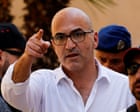
The courtroom drama surrounding the assassination of journalist Daphne Caruana Galizia just took a sharp, unexpected turn. Yorgen Fenech, the Maltese businessman standing trial for allegedly ordering the 2017 car bomb attack, broke years of silence. He stepped up to the witness stand and pointed fingers straight at the upper echelons of political power, claiming the entire investigation was a coordinated frame-up.
If you have followed this high-profile case, you know the baseline narrative. Caruana Galizia exposed massive state corruption before she was killed outside her Bidnija home. Five men have already faced conviction or pleaded guilty. Yet Fenech insists that investigators manipulated testimony to shield the real mastermind.
Inside Fenech’s Testimony and the Accusations Against Keith Schembri
Fenech waived his right to silence and spent days under intense cross-examination. His core defense strategy centers on Keith Schembri, the former chief of staff to the prime minister. Fenech testified that Schembri was intimately involved in the plot from the very beginning. According to the defense, police deliberately steered the spotlight away from Schembri to protect the political establishment.
Prosecutors pushed back hard. They confronted Fenech with his own financial transactions involving Melvin Theuma, the self-confessed middleman who turned state's witness. Theuma claims Fenech handed over substantial sums to finance the assassination. Fenech counters that he only paid money out of panic and under an extortion threat, maintaining he had zero role in the actual killing.
Why the Prosecution Disbelieves the Frame-Up Defense
The state's case relies heavily on the premise that Fenech held the purse strings and the motive. During grueling court sessions, prosecutor Godwin Cini picked apart Fenech's timeline. Why did Fenech feed cash to the middleman repeatedly if he was innocent? Why didn't he go straight to the police when he first learned of a threat against the journalist?
Fenech blamed drug addiction, psychological distress, and profound mistrust of the lead investigators. He claimed law enforcement cherry-picked Melvin Theuma's statements while ignoring evidence pointing toward Schembri. Legal experts note that shifting blame to powerful third parties is a high-risk gamble. Jurors must decide whether to believe a businessman fighting for his freedom or a prosecution backed by confessed accomplices and state evidence.
The trial continues to expose the dark underbelly of political and corporate collusion in Malta. As closing arguments approach, the verdict will determine accountability not just for the hitmen who built the bomb, but for the financial and political architects behind it.


