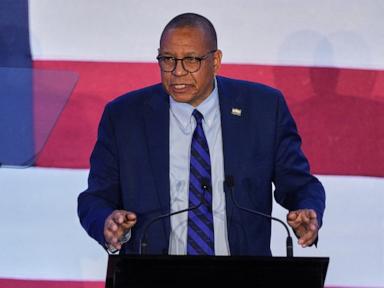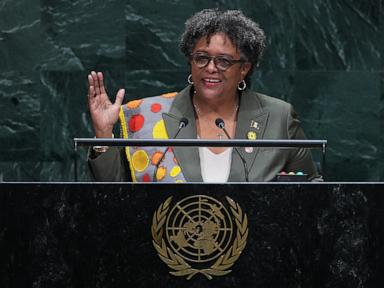
Diplomacy is a messy business of high-stakes theater. Every year, heads of state walk up to the green marble podium at the United Nations General Assembly in New York, fix their ties, and deliver speeches crafted by teams of anxious speechwriters. If you listen closely, though, the official transcripts rarely capture the raw friction of global politics.
Most people tune out during UN speeches because they sound like corporate memos read aloud by politicians terrified of making a typo. But when you strip away the bureaucratic jargon, these addresses tell the true story of where the world is heading, who is fighting whom, and why international agreements constantly hang by a thread.
The Language of Diplomatic Warfare
Let's be honest. When a foreign minister says a situation is "deeply concerning," they usually mean they are not going to send troops, but they might issue a sternly worded statement later. Diplomats have spent decades perfecting a secret language where politeness masks absolute hostility.
You have to read between the lines. When major powers address the General Assembly, the podium turns into a global stage for pointing fingers without triggering an outright trade war or military conflict. Last year, speeches from leaders of the Global South made it painfully clear that western nations are losing their moral authority on issues like climate finance and debt relief. They didn't whisper it, either. They laid out exact numbers regarding unfulfilled promises from rich nations.
Why UN Speeches Still Matter
It is easy to dismiss the UN as a talk shop where nothing ever gets fixed. Decisions get vetoed, resolutions get ignored, and the bureaucracy moves at glacial speeds. Yet, ignoring these speeches means missing the early warning signs of major geopolitical shifts.
When smaller island nations take the floor to talk about rising sea levels, they are not just giving poetic warnings. They are building legal frameworks for future climate refugees and international lawsuits against heavy polluters. When authoritarian leaders test the waters with aggressive rhetoric, they are signaling their domestic audiences and testing how much pushback they will get from the international community.
Listening to these leaders in their own words gives you a front-row seat to the ideological battles shaping modern borders, supply chains, and economic sanctions.
The Disconnect Between Rhetoric and Reality
There is a massive gulf between what leaders promise in New York and what they do back home. You hear sweeping declarations about eradicating poverty, protecting human rights, and slashing carbon emissions. Then you check domestic budgets and industrial policies a month later.
Take climate pledges as a prime example. At the podium, leaders compete to sound the greenest. Behind closed doors during negotiations, their trade delegates fight tooth and nail to protect domestic fossil fuel subsidies and agricultural loopholes. This hypocrisy is exhausting, but understanding it explains why global treaties take ten years to achieve what should take ten months.
How to Decode International Statements
If you want to make sense of what global leaders are saying on the world stage, stop looking at the headline quotes. Look at the omissions.
Notice what a president chooses not to mention. When a superpower's leader spends twenty minutes talking about economic growth while completely avoiding a massive ongoing conflict, that silence speaks louder than any prepared paragraph. Pay attention to the shift in buzzwords from one decade to the next. The vocabulary moves from security to resilience, then to supply chain sovereignty, tracking how priorities mutate in real time.
Keep an eye on the side meetings, too. The real deals never happen under the cameras of the General Assembly hall. They happen in cramped bilateral rooms where translators whisper at lightning speed and coffee gets cold while ministers argue over text messages.
If you want to track global power dynamics, watch the plenary sessions with a cynical eye, read the actual transcripts instead of media summaries, and always follow the money behind the rhetoric.