Flames don't care about containment lines or political boundaries. They move when the timber is bone dry and the winds turn hostile.
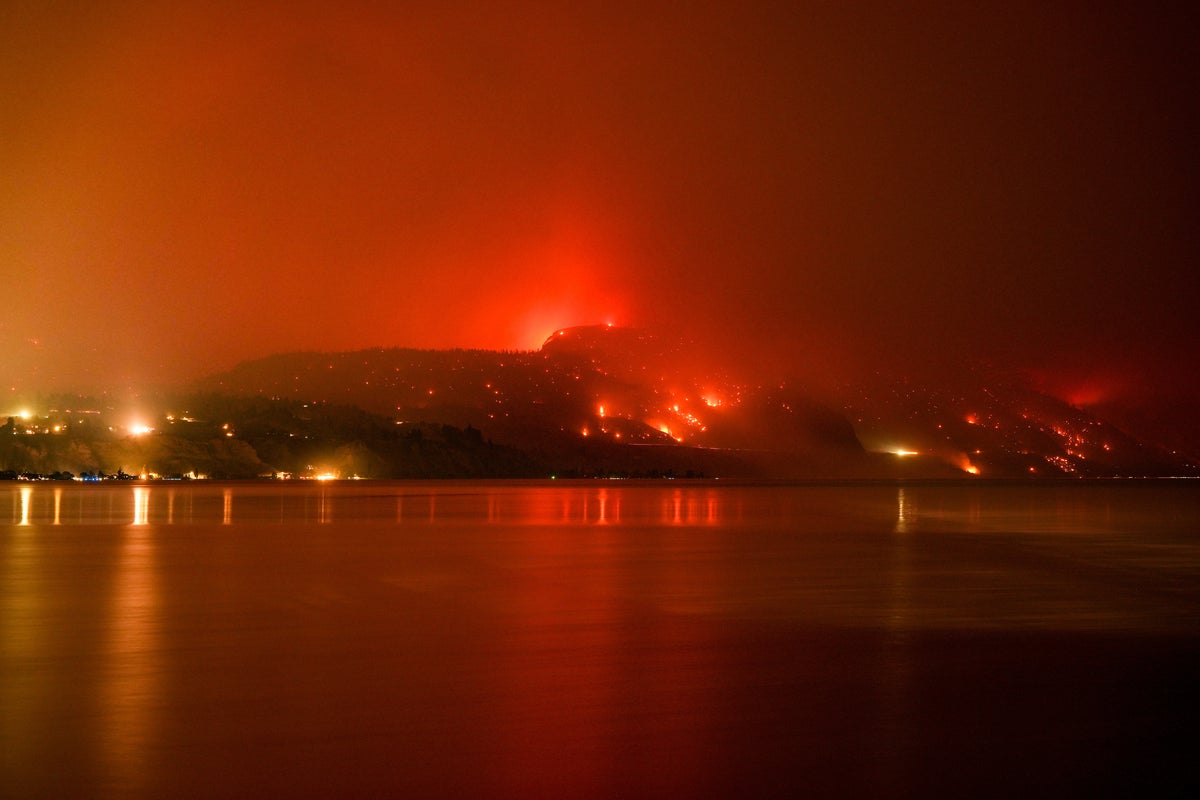
Right now, thousands of people across western Canada and the United States are scrambling away from fast-moving fire zones. If you think this is just another seasonal blip, you're missing the reality on the ground. Over 20,000 residents were forced out of British Columbia communities over a single chaotic weekend as the Bald Range fire exploded in size.
The Reality of Explosive Fire Behavior
When premier David Eby compares a wildfire to a bomb going off, you listen. This isn't dramatic hyperbole. Fire officials recorded flames roaring past 100-foot trees and shooting another 200 feet into the air.
This kind of heat creates its own weather systems. Pyrocumulonimbus clouds spin up their own erratic lightning, starting secondary fires faster than crews can track them. Summerland lost power and faced urgent boil-water advisories as the smoke rolled thick enough to choke out the morning light. Entire towns like Summerland and chunks of Peachland emptied out overnight. People grabbed pets, vital documents, and whatever fit in the back seat before highway closures cut off escape routes.
Down south in Washington state, the story is equally brutal. Crews spent days handling mop-up operations near Spokane after stubborn blazes scorched hundreds of structures. Arson investigators even arrested a suspect tied to the largest local flare-up, adding a layer of human malice to an already punishing natural disaster. Meanwhile, Utah lost two brave helicopter pilots in a crash during initial attack operations in the Fishlake National Forest. The human cost climbs daily.
What People Get Wrong About Evacuating
Most folks assume they have hours to pack when an evacuation alert pops up on their phone. They don't.
When a fire is driven by six weeks of zero rainfall and bone-dry timber, minutes matter. Residents often wait until the smoke is blinding before grabbing their keys. That delay kills.
- Keep your gas tank at least half full during peak fire months.
- Store hard copies of insurance papers and passports in an easy-to-grab box.
- Never ignore an evacuation alert just because the sky still looks clear over your specific block.
When the order changes from an alert to an immediate evacuation, go. Hesitating turns a safe escape into a rescue operation.
Preparing for the Long Haul
We are moving past the era of predictable fire seasons. Experts note that regions like British Columbia and the Pacific Northwest are sliding into a permanent state of high alert that stretches deep into autumn.
Governments are scrambling to request federal aid for emergency shelters, and local evacuation centers are filling up fast. If you live anywhere near heavy timber or drought-stricken brush, stop treating wildfire preparedness like a checklist you look at once a year. Clear your gutters, clear dead brush away from your foundation, and have a concrete communication plan with your family.
Check local emergency broadcast channels daily, map out two distinct escape routes out of your neighborhood, and keep your go-bags packed by the door today.
:max_bytes(150000):strip_icc()/ar-American-Cheese-taste-test-horizon-4x3-54cc339550cd44b9a818c17bdfd5428d.jpg)