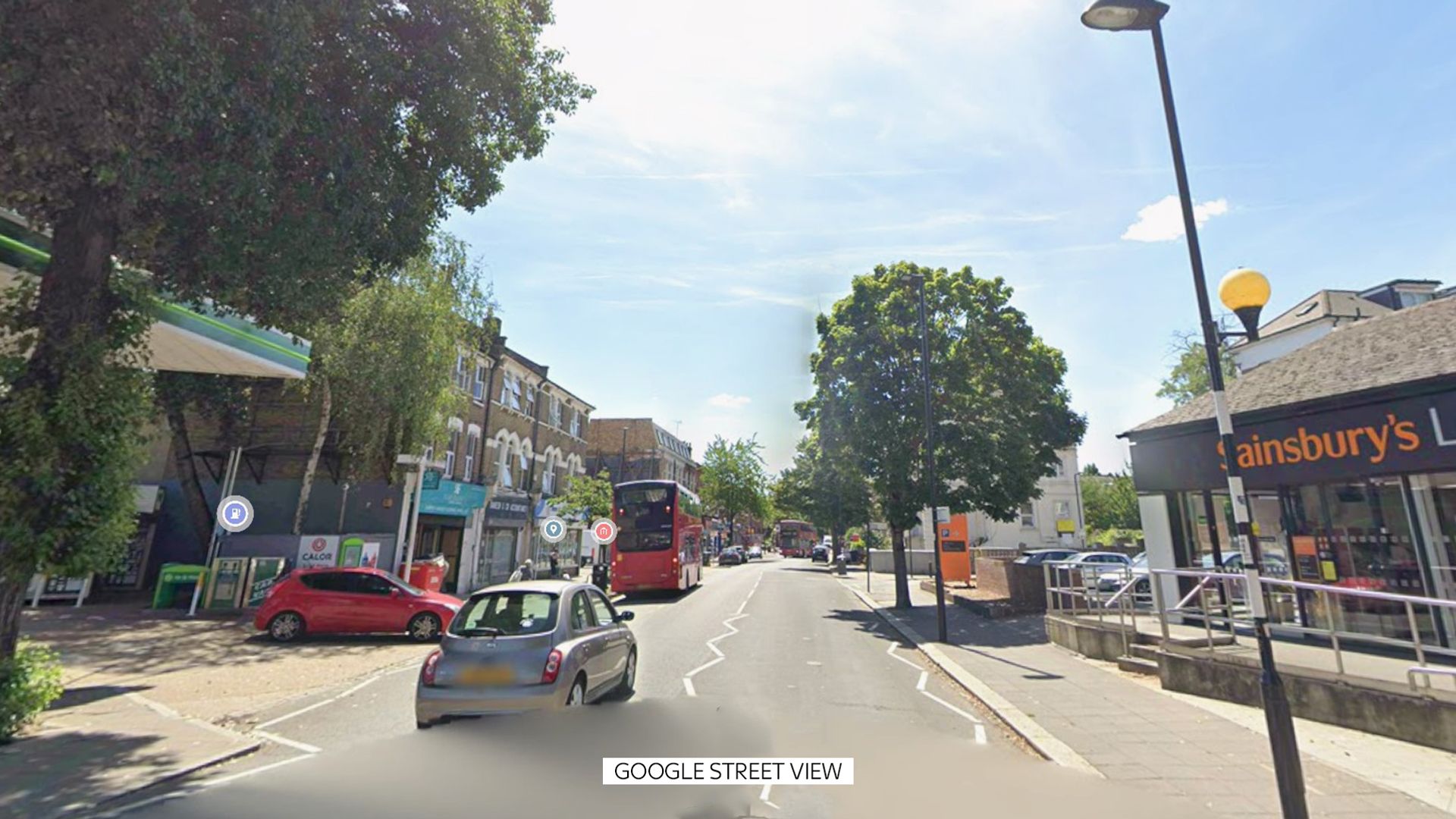
A violent incident in west London left five people injured after an assault and stabbing spree. Police quickly arrested a male suspect at the scene. It happened fast. One minute a street is quiet, the next it is a crime scene cordoned off with blue and white tape.
When events like this hit the headlines, the immediate reaction is shock. That is standard. But after the initial shock fades, practical questions start rushing in. Is the neighborhood safe? How do you protect your family when random violence erupts near your doorstep? What are the actual, concrete steps communities can take right now to improve security? Recently making waves recently: Why Iran’s Uncompromising Stance Is the Ultimate Negotiation Mirage.
People want answers, not just thoughts and prayers. This guide looks directly at the reality of urban knife crime, what happened in west London, and how local residents can actively secure their streets.
Understanding the West London Knife Attack
Emergency services rushed to the scene in west London following urgent calls about a man attacking pedestrians. First responders found five individuals suffering from various injuries, including stab wounds. Paramedics treated the victims on-site before transporting them to nearby hospitals. Additional details into this topic are covered by NPR.
Police officers detained a man shortly after arriving. He remains in custody. Investigators are currently working to establish a motive, interviewing witnesses and reviewing closed-circuit television (CCTV) footage from surrounding businesses.
Incidents involving multiple casualties create massive ripples of fear across a borough. They disrupt the daily flow of life. Parents worry about school runs. Shopkeepers keep one eye on the door. It changes how people interact with their own neighborhood.
Real Security Strategies for Urban Neighborhoods
Waiting for policy shifts takes too long. Street-level safety requires immediate, grassroots action from the people who live there. You can create a significantly safer environment by focusing on a few specific operational changes.
Active Neighborhood Watches That Work
Most traditional neighborhood watch groups are dead. They consist of inactive email chains or dusty window stickers. A modern watch needs to be active and digital.
Move your community communication to localized, encrypted messaging groups. Use these channels strictly for real-time safety alerts, not for neighborhood gossip. Coordinate walking groups for vulnerable residents during late-night hours or dark winter evenings. Criminals look for easy, isolated targets. When you eliminate isolation, you drastically reduce the likelihood of an opportunistic attack.
Upgrading Physical Defenses and Visibility
Dark corners invite trouble. It is that simple. Walk through your street at night and identify the blind spots.
- Push local councils to replace broken streetlights immediately.
- Install high-quality, motion-activated lighting on your property.
- Position security cameras to face outward toward public pathways, ensuring footage overlaps with neighbors' systems to eliminate gaps.
High-visibility areas deter violent crime. If a perpetrator knows their face will be captured clearly on three different cameras, they usually move elsewhere.
What to Do During a Mass Casualty Emergency
If you find yourself in the vicinity of an active weapon attack, survival depends on rapid, decisive decision-making. The UK government advises the "Run, Hide, Tell" strategy, but execution requires nuance.
Run
Escape is always your primary option. Leave your belongings behind. Do not waste time filming the incident on your phone. Insist that others come with you, but do not let their hesitation slow you down. Move as fast as possible away from the sound of danger.
Hide
If running is impossible, find immediate cover. Look for thick walls, solid barriers, or secure rooms with heavy doors. Silence your phone completely—turn off vibrate mode too. Stay low to the ground and away from windows.
Tell
Call emergency services only when it is completely safe to do so. Provide precise location details. Tell the operator the number of attackers, what weapons they have, what they are wearing, and the direction they were heading.
First Aid Essentials for Knife Wounds
In a serious stabbing incident, blood loss is the primary threat to life. Severe bleeding can become fatal in under five minutes. Knowing how to administer basic trauma first aid can keep a victim alive until paramedics arrive.
Apply Direct Pressure
Locate the source of the bleeding. Use a clean cloth, a t-shirt, or your bare hands if nothing else is available. Press down hard directly on the wound. Do not ease up to check if the bleeding has stopped. Maintain continuous, heavy pressure.
Pack the Wound
For deep wounds in areas like the groin or armpit where pressure alone might not work, pack the wound. Stuff clean cloth or gauze deep into the injury to fill the space, then apply intense pressure on top.
Use a Tourniquet Properly
If severe bleeding occurs on a limb and direct pressure fails, apply a tourniquet. Place it high and tight on the arm or leg, well above the wound. Twist the windlass until the bright red bleeding completely stops. Note the exact time you applied it so you can inform medical staff.
Demanding Long Term Accountability From Local Authorities
True safety requires a partnership between residents and the state. After the police tape comes down in west London, the community must hold local leaders accountable for long-term preventative measures.
Attend local council meetings and demand specific allocations for youth outreach programs and mental health support. Knife crime frequently stems from deeper systemic issues, poverty, and a lack of constructive outlets for young people. Pressure local authorities to maintain a visible policing presence in high-risk zones. Safety is a continuous process of management, investment, and community vigilance.
Get together with your neighbors this week. Audit your street's lighting. Share emergency contact details. Set up a functional communication network. Taking control of your immediate surroundings is the most effective way to ensure that a tragedy like the west London attack does not happen on your block.