Dawn does not arrive softly in the mountain air above Port-au-Prince. It breaks with a harsh, glaring light that exposes what the night tried to hide.
Consider the quiet community of Kenscoff. Perched high in the cool hills overlooking the congested capital of Haiti, this winding enclave was long considered a sanctuary. Families fled upward to escape the choking smoke and gunfire of the lowlands, seeking refuge among the vegetable patches and steep green slopes. They thought geography would save them. They believed the steep roads and thin air were a natural shield against the creeping chaos down below.
They were wrong.
When the armed men moved in under the cover of darkness, they brought a familiar, mechanical terror. By the time the sun climbed over the ridge, at least forty-seven human beings—including children who had only just begun to learn the geography of their country—lay dead. More than fifty others were dragged away into captivity, transformed instantly from neighbors and breadwinners into bargaining chips in a twisted political chess match.
Statistics are clean. They fit neatly into international briefs and morning news broadcasts. Forty-seven dead. Twenty-two executed inside the sacred walls of a local church where they had run for divine protection. Twenty-two injured. Twenty-five homes turned to ash.
Numbers do not bleed. Numbers do not scream.
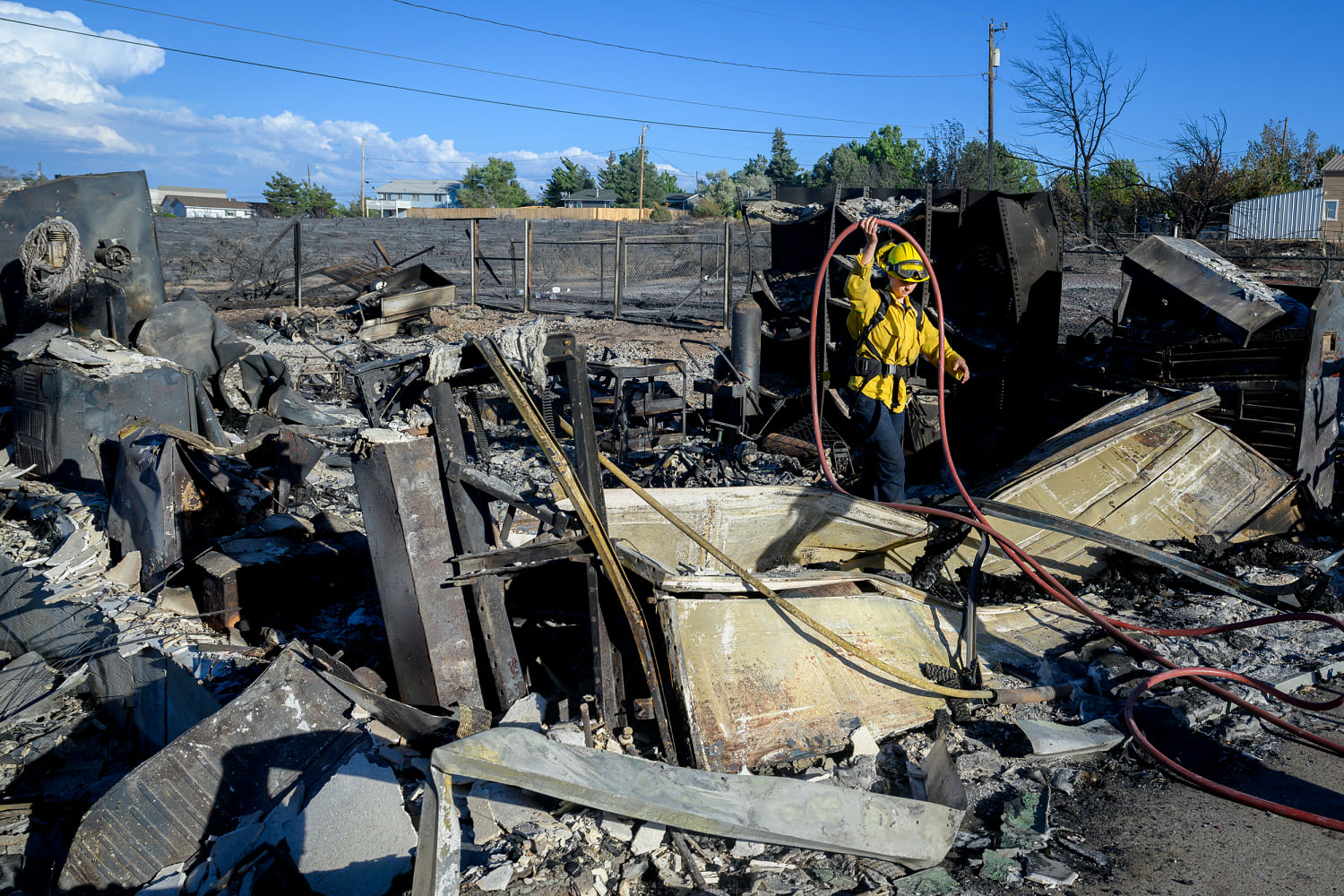
Imagine walking those ash-choked paths hours after the raid. Imagine stepping over the debris of a life interrupted—a child's torn school notebook, a cooking pot overturned in the dirt, the lingering smell of gasoline and scorched timber. For survivors like Marc Paul, who watched his world shatter when his brother, stepmother, and niece were swept into the maw of the kidnapping rings, the data points of the United Nations reports are cold comfort. His reality is much simpler, and much heavier: an empty chair at the table, a phone that rings with terrifying ransom demands, and the impossible choice of whether to trust a state apparatus that arrived too late.
The truth is that Haiti's crisis has long outgrown the boundaries of conventional conflict. This is not a sudden storm; it is a slow, structural erosion of civic life. Powerful coalitions of armed groups, operating under banners like Viv Ansanm, have systematically expanded their reach outward from the capital. When security forces push hard in one neighborhood, the pressure ripples outward, squeezing violence into once-peaceful secondary zones like water finding a crack in a foundation.
The math of survival here is brutal. The state is outgunned, underfunded, and stretched paper-thin. International backing arrives in trickles and debates, while the logistics of terror move with terrifying speed. Gang leaders post digital video threats, taunting police directors and turning civilian safety into a public theater of intimidation. They understand a grim psychological truth: if they can strike a hillside sanctuary like Kenscoff, they prove that nowhere is safe. They prove that the government's promise of protection is an empty echo.
Behind every headline about gang expansion and political instability lies a human ecosystem straining past its breaking point. Millions displaced, communities fractured, and a generation growing up learning the sound of gunfire before the alphabet.
The sun sets over the valley of Port-au-Prince, casting long, dark shadows up the mountain ridges. In the quiet hours that follow, the wind whispers through the charred rafters of Kenscoff, carrying the unresolved grief of a nation waiting for a dawn that finally keeps its promise.