Ink dries slowly on parchment, but currency dies in a fraction of a second.
Consider the Tehran bazaar at dusk. The copper-smiths hammer their last rhythm against the anvils, not because the day is finished, but because the price of diesel has outpaced the value of the coin in their pockets. A vendor named Reza counts out three thousand Tomans for a single tomato—a transaction so heavy with mathematical despair that it feels less like commerce and more like an archaeological excavation of a dying economy. Far away, across oceans and secure conference tables, men in pressed suits adjust their microphones, speak into the humid air of Washington briefing rooms, and tighten the screws.
Sanctions do not arrive with the theatrical boom of artillery. They creep in through the customs office. They manifest as a missing wire transfer, an empty shipping container on a dock in Bandar Abbas, a ledger entry marked rejected.
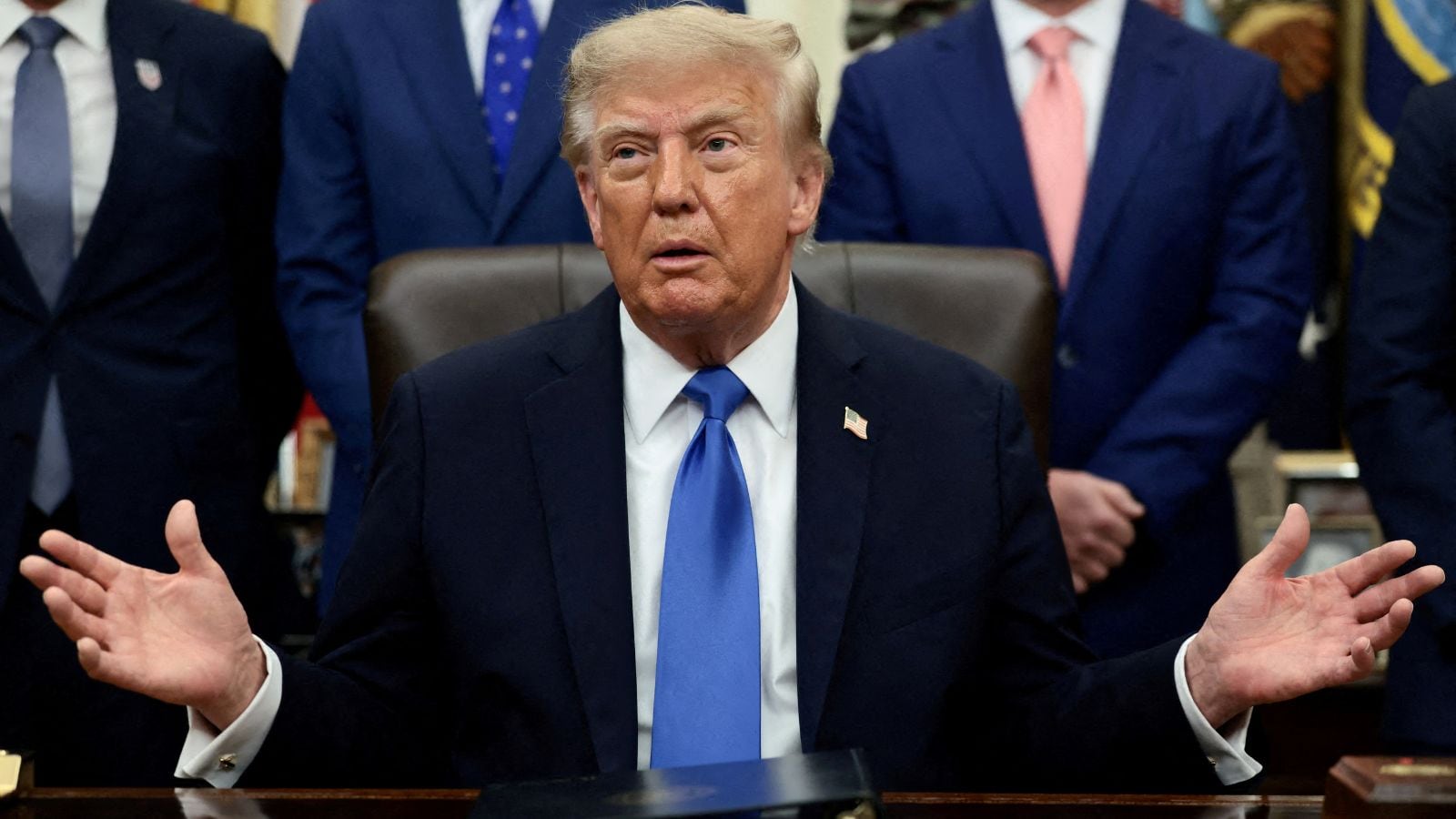
The announcement out of Washington was precise, measured, and entirely divorced from the dust of the streets. Fresh sanctions. More signatures on blacklists. The administration stepped to the podium with the familiar vocabulary of economic statecraft, delivering the assessment that Iran is doing very poorly. It was stated not as an insult, but as a meteorological report. A storm has formed. The barometer is dropping.
Yet, to understand what "doing very poorly" means, you have to look past the macroeconomics and into the kitchen of an apartment in Vali-e Asr, where the gas flame flickers blue and weak because the infrastructure is starved of foreign parts.
Money is a language. When you cut a nation's tongue out, the silence that follows is deafening.
For decades, the Islamic Republic’s economic engine has run on oil. It is a liquid geography, pumping wealth from the Khuzestan reserves through pipelines and tankers out toward buyers who whisper their transactions in code. But when the financial tourniquet is twisted another notch, those pipelines become arteries feeding a closed loop. The rial spirals downward, shedding its value like dry autumn leaves in a Tehran windstorm. A middle-class family wakes up to find their life savings converted into the purchasing power of a handful of pistachio nuts.
Power speaks in extremes. On one side, rhetoric sharpens into threats. On the other, defiance hardens into a stubborn, miserable pride.
"We are managing," a retired engineer tells me—let us call him Dariush, his hands stained with decades of drafting ink—over a glass of tea that tastes faintly of cardamom and ash. His pension, once enough to travel and buy books, now barely covers the municipal water bill. "They think the pressure makes us surrender. But pressure only teaches a man how to survive in the dark."
That is the paradox of modern economic warfare. The architects in Washington calculate the percentage points of GDP contraction. They model inflation curves on glowing monitors. They measure the tonnage of crude oil shut out of international ports. But they rarely account for the human adaptation layer. In the basement workshops of Tehran, mechanics machine replacement parts for German machinery because imports stopped years ago. In the side-alleys of Ferdowsi Street, underground currency traders operate with the frantic energy of wartime telegraphers.
Survival becomes an illicit art form.
When the United States applies fresh economic pressure, it does so with the explicit intent of altering behavior at the top. The theory is clinical: squeeze the treasury, choke off petrochemical revenues, isolate the central bank, and watch the political calculus shift. It is a chess match played with human lives as pawns. But chess assumes the pieces move according to predictable rules.
What happens when the board itself begins to dissolve?
In the ports, tankers go dark. They turn off their transponders, slipping like ghosts through the Persian Gulf under the cover of midnight. They engage in ship-to-ship transfers in international waters, painting over names, shifting crude from one hull to another like smugglers trading contraband in an old noir film. Every barrel sold through a ghost fleet is an act of defiance against the ledger in Washington. It is expensive. It is dangerous. It eats away at profit margins until the margins barely exist. But it keeps the machinery humming, just enough to stave off total collapse.
Economics is supposed to be about efficiency. Sanctions weaponize inefficiency. They force a nation to pay a heavy, grinding tax on every single transaction, turning routine trade into an elaborate heist.
And who pays that tax?
Not the men who sign the decrees in capital cities. Not the bureaucrats who draft the compliance waivers. It is Dariush, standing in the pharmacy, staring at the price tag of a heart medication that has tripled overnight. It is the young programmer in Shiraz whose freelance international payments are blocked by algorithmic red tape, forcing him to choose between digital isolation and exile.
History is full of ironies. The harder you squeeze a fist, the more sand slips between your fingers.
When leaders declare that a rival state is doing very poorly, they are acknowledging the efficacy of their own leverage. But they are also revealing a blind spot. A population backed into a corner does not automatically rise up to overthrow its government; more often, it turns inward. It develops calluses. It builds parallel economies of desperation. The social fabric frays, trust evaporates, and the possibility of constructive dialogue recedes behind a wall of mutual exhaustion.
The podium lights in Washington clicked off. The transcripts were uploaded to databases, parsed by algorithms, and digested by stock markets that reacted with a collective, indifferent shrug. Oil prices wobbled for a moment, then steadied.
Back in Tehran, the sun dipped below the jagged silhouette of the Alborz mountains, casting a long, bruised shadow over the city. A car backfired in the street. A shopkeeper pulled his metal shutters down, locking away the day's unsold goods. The ledger remained open, unbalanced, waiting for tomorrow's entry.