The global energy market moves fast when Washington threatens a financial crackdown. Crude prices slipped by roughly one to two percent, with Brent hovering near $93 a barrel, as investors rushed to book profits. Why? Because the United States is preparing to unleash what Treasury Secretary Scott Bessent terms an economic D-day against Tehran.
If you trade commodities or just watch your monthly fuel budget climb, this standoff matters. Let's break down what is actually happening behind the headlines.
The Real Trigger Behind the Price Drop
Markets hate uncertainty, but they hate aggressive economic warfare even more. After a solid two-week rally that pushed oil prices up by more than five percent, traders hit the pause button. Washington's upcoming announcement of sweeping sanctions has created a nervous atmosphere.
Treasury Secretary Bessent signaled that these won't just be routine paperwork penalties. They are designed to isolate Iran completely from international financial systems. President Donald Trump added fuel to the fire by warning that any nation continuing to trade with Tehran will face heavy consequences.
Naturally, investors panicked a bit. They grabbed their profits and pushed prices down temporarily. But don't mistake a short-term market dip for long-term stability.
Secondary Sanctions and the China Factor
The core of Washington's strategy relies on secondary sanctions. This means the restrictions won't just target Iranian entities. They will penalize any international bank, corporation, or country that dares to process money for Iranian oil exports.
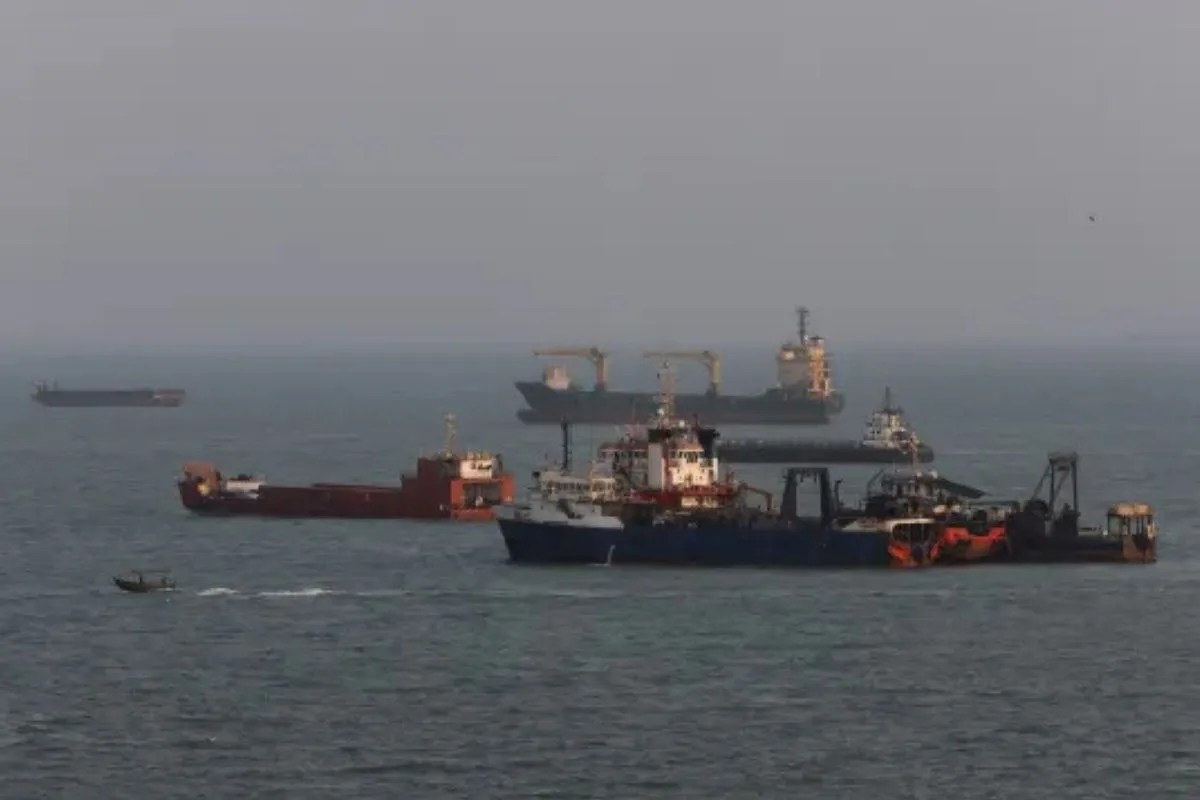
This puts major buyers—especially China—in a very tight spot. China imports a massive share of its Gulf energy from this region. When the US targets the hidden shadow fleets that Iran uses to move oil off the books, global supply chains instantly feel the squeeze.
Beijing has already responded through diplomatic channels, stating that pressure tactics don't solve underlying geopolitical problems. Yet, trade data shows that offers of Iranian crude to Chinese buyers are already dropping, and prices for alternative shipments are creeping upward.
The Chokehold at the Strait of Hormuz
You cannot talk about Iranian oil without looking at the geography. The Strait of Hormuz remains the ultimate flashpoint. Before the current military conflicts escalated, roughly one-fifth of the world's traded oil passed through this narrow waterway.
Right now, shipments through the strait are severely restricted. Tehran has made it clear that if economic warfare continues, not a single drop of oil will leave the Persian Gulf. Iranian officials have even threatened to halt all exports, turning the shipping lane into a high-stakes poker game.
Financial institutions like JPMorgan and Goldman Sachs have run the numbers. They estimate that prolonged disruptions in this region could easily push Brent crude back past $114 or even $120 a barrel. A temporary dip in prices today doesn't mean the structural supply danger has vanished.
What This Means for Your Portfolio
If you are trying to navigate these choppy economic waters, stop assuming that sanctions will quickly force a regime to surrender. History shows that heavily sanctioned nations adapt by building underground trade networks.
Instead, keep an eye on two specific indicators this week:
- Official enforcement notices from the US Treasury regarding secondary banking penalties.
- Real-time tanker traffic data coming out of the Persian Gulf.
Volatility is here to stay. Plan your risk management accordingly before the next supply shock hits the pump.