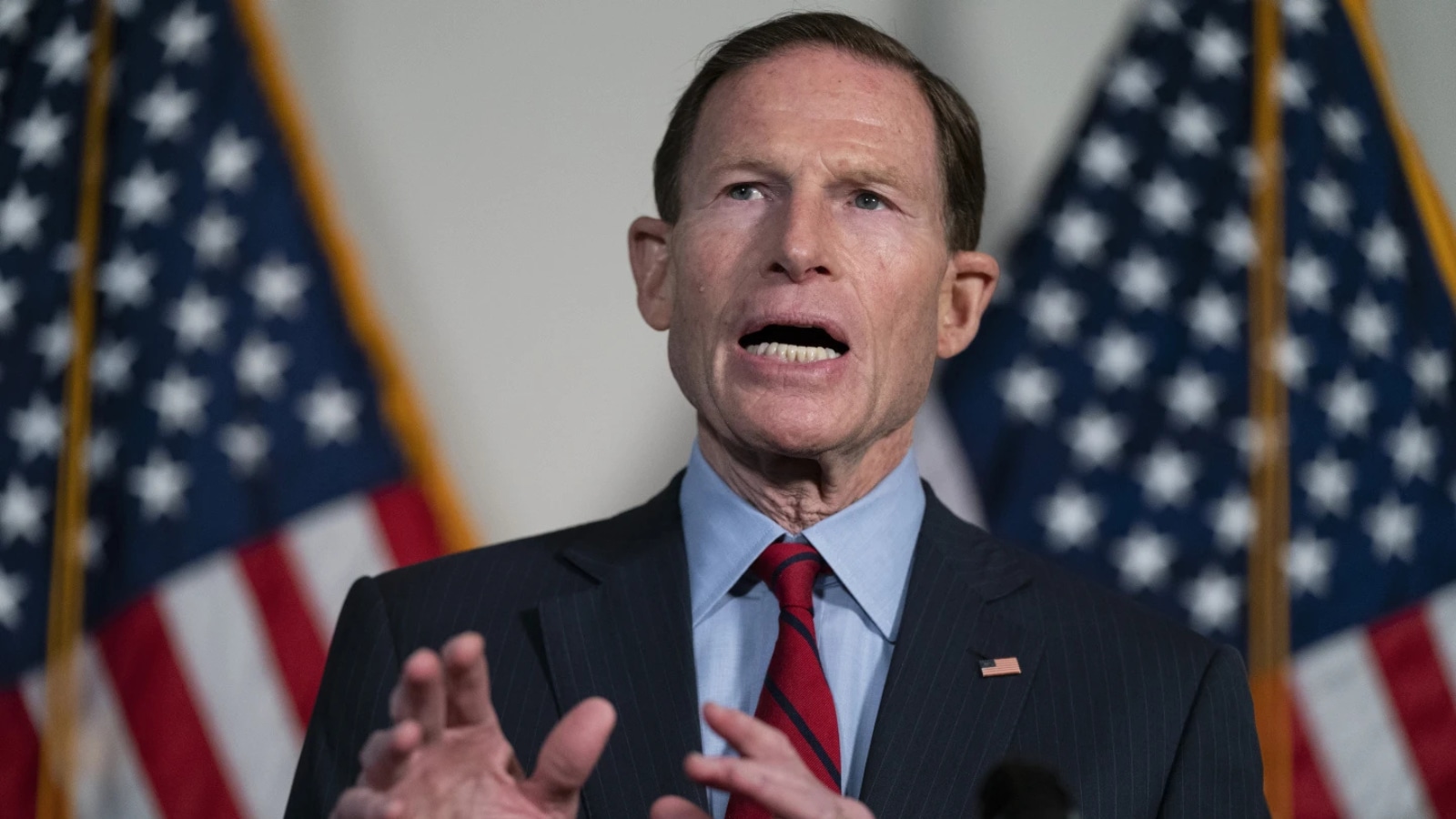
The warning shot from Capitol Hill was direct, unfiltered, and entirely lacking in diplomatic varnish. When a senior United States senator publicly told India to buy its oil elsewhere following the House passage of sweeping Russia sanctions legislation, the friction between Washington and New Delhi broke into the open. The legislative move aims to choke off Moscow's war chest by penalizing nations and entities that continue to purchase discounted Russian crude. Yet, India's leadership has made it clear that national economic interests and energy security supersede foreign policy edicts issued thousands of miles away.
For months, the energy trade corridor between Russia and India has operated as a massive pressure valve for global oil markets. When Western nations slapped embargoes on Russian petroleum following the invasion of Ukraine, millions of barrels of Urals crude lost their traditional buyers in Europe. New Delhi stepped into the void. Indian refiners purchased crude at steep discounts, transforming discounted Russian oil into refined products for domestic consumption and export. This dynamic stabilized global prices while providing Moscow with steady revenue.
The legislative push from the US House of Representatives threatens to disrupt this intricate arrangement. Lawmakers backing the sanctions bill argue that turning a blind eye to India's imports undermines the entire Western containment strategy. They contend that buying Russian oil, even at a discount, indirectly finances military operations in Eastern Europe. The political calculus in Washington assumes that allies can be coerced through secondary sanctions or the threat of financial isolation.
However, this view ignores the fundamental economic reality on the ground in South Asia. India is the world's third-largest energy consumer, with a population of 1.4 billion people whose upward mobility depends on affordable fuel. Officials in New Delhi point out that cutting off Russian supply overnight would cause domestic energy inflation to skyrocket, derail industrial growth, and plunge millions into financial distress. Western governments preaching energy morality rarely offer to subsidize the multi-billion-dollar deficit India would face if it abruptly abandoned its primary discounted supplier.
The diplomatic standoff exposes the limits of American leverage in a multipolar energy market. Past decades allowed Washington to enforce global trade embargoes with relative impunity because the financial plumbing of the world ran exclusively through New York and London. Today, alternative payment mechanisms, non-dollar settlements, and deep-water tanker fleets operating outside Western insurance pools have altered the terrain. When Washington threatens sanctions, New Delhi calculates the cost of compliance versus the cost of defiance. Thus far, the calculation heavily favors protecting domestic consumers.
Energy analysts watching the legislative process unfold note that the sanctions bill faces significant hurdles in the Senate, even as rhetorical pressure mounts. Crafting a statute that penalizes a critical strategic partner like India creates a severe policy contradiction. Washington relies heavily on New Delhi as a counterweight in the Indo-Pacific region. Pushing India into deeper economic isolation or forcing a permanent rupture over Russian oil risks alienating the very partner the United States needs to secure maritime trade routes and manage geopolitical competition in Asia.
The immediate future points toward a tense period of quiet negotiation rather than open economic warfare. Indian diplomats are working behind the scenes in Washington to carve out exemptions or secure assurances that commercial transactions will not trigger punitive measures. Meanwhile, state-owned and private refiners in Gujarat and Odisha continue to process millions of barrels of Russian crude each week. The tankers keep moving, the refineries keep running, and the fundamental clash between American legislative ambition and Indian energy pragmatism remains unresolved.


