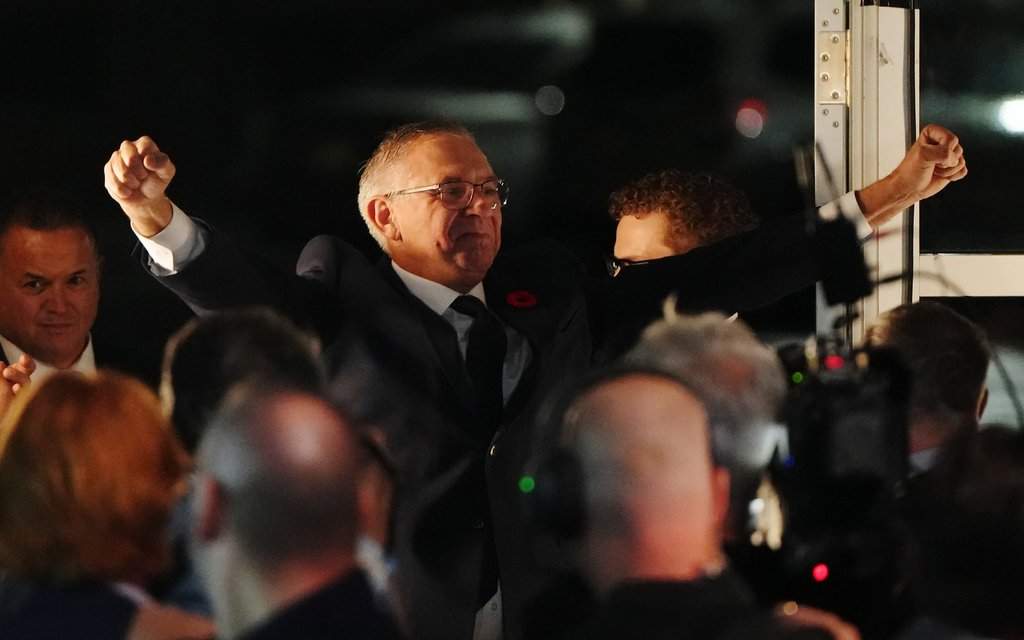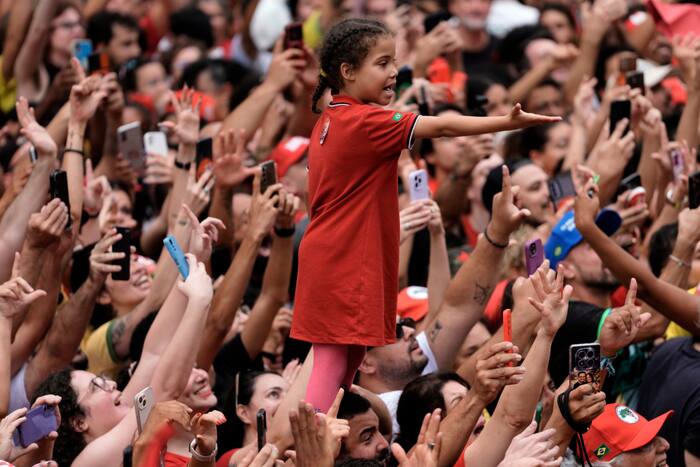
Brazil’s 2026 presidential runoff did not merely hand 80-year-old Luiz Inácio Lula da Silva a historic fourth term; it exposed the fatal flaw in Washington’s heavy-handed strategy to reclaim Latin America. On October 25, 2026, Lula defeated Senator Flávio Bolsonaro—the 45-year-old eldest son of imprisoned former president Jair Bolsonaro—by 51.79% to 48.21%. Overturning a 2.2-million-vote deficit from the October 4 first round, Lula became the first candidate in Brazil’s post-dictatorship history to lose the initial ballot and capture the presidency in the runoff.
Most coverage frames this race as an ideological tug-of-war between an aging leftist icon and a polished conservative heir. That misses the real story. The decisive factor in Brasília was not domestic nostalgia or partisan loyalty, but an aggressive tariff and diplomatic campaign by the Trump administration that backfired spectacularly, turning a sluggish Brazilian electorate into a nationalist firewall. Meanwhile, you can explore similar stories here: The Governance Architecture Behind the First Ministers and Indigenous Leaders Summit.
The Tariff Trap That Saved Lula
For months leading up to October, Lula looked politically vulnerable. High interest rates, nagging inflation, and voter exhaustion with a leader who has dominated the Brazilian left for over a quarter-century weighed heavily on his approval ratings. More than 33 million eligible voters sat out the first round. Flávio Bolsonaro, running a smoother, less bombastic campaign than his father—who is serving a 27-year prison sentence for attempting a coup—capitalized on that fatigue to take 47% of the first-round vote against Lula’s 45%.
Then Washington overplayed its hand. To understand the complete picture, we recommend the recent report by Reuters.
Following Jair Bolsonaro’s conviction, President Donald Trump slapped punitive duties on Brazilian exports, escalating the trade offensive again in July 2026. The carve-outs were unmistakable. Agricultural staples like beef and coffee—the lifeblood of Flávio Bolsonaro’s rural agribusiness base—were exempted, while industrial and broader exports took the hit. The message to Brazilian voters was transparent: punish Lula, or pay the price.
It was a catastrophic misread of Brazilian political psychology. Datafolha polling revealed that 52% of Brazilians viewed the U.S. tariffs not as legitimate trade policy, but as overt political interference designed to install Flávio Bolsonaro in the Planalto Palace. Lula’s campaign team seized the opening immediately. Overnight, a referendum on domestic cost of living became a referendum on national sovereignty.
"Brazil will not be anyone’s colony," Lula declared on the stump, framing his opponent as a vessel for foreign extraction. By mobilizing nearly three million additional voters in the second round—pushing turnout to 80.78%—the Workers’ Party turned Washington’s economic pressure into fuel for a comeback.
Critical Minerals and the Security Bargain
To understand why the White House risked so much political capital on Flávio Bolsonaro, you have to look past the culture wars and examine the supply chain maps inside the Pentagon and the State Department.
Brazil sits atop some of the world’s largest untapped reserves of rare earth minerals, lithium, and niobium—the exact inputs the United States needs to break Chinese dominance over clean energy and defense manufacturing. Under Lula’s doctrine of active non-alignment, Brasília has refused to pick sides between Washington and Beijing, courting Chinese infrastructure capital while maintaining diplomatic ties with Russia and pushing for a multipolar trade order.
Flávio Bolsonaro offered Washington a clean break from that hedging. His platform explicitly promised to fast-track Brazil’s energy and critical minerals sectors to satisfy U.S. strategic demand, while signaling a willingness to pull Brazil back from multilateral blocs like Mercosur in favor of bilateral deals with the United States.
The security alignment ran even deeper. The Trump administration formally designated Brazil’s two largest criminal syndicates, the Primeiro Comando da Capital (PCC) and Comando Vermelho, as terrorist organizations. Lula’s government fiercely opposed the classification, recognizing that a terrorist designation provides Washington with sweeping legal justification for unilateral intelligence, financial, and potentially kinetic operations on South American soil. Flávio Bolsonaro embraced the move. For millions of Brazilians terrified by urban cartel violence, outsourcing the fight to American security agencies sounded appealing.
The Nationalist Backlash Inside the Right
Yet even inside Brazil’s conservative establishment, Flávio’s lockstep alignment with Washington triggered quiet alarm. Traditional power brokers in São Paulo’s industrial sector, major media conglomerates, and nationalist factions within the Brazilian armed forces have spent decades guarding Brazil’s strategic autonomy.
As political scientist Octavio Amorim Neto of the Getúlio Vargas Foundation pointed out prior to the runoff, a president who subordinates Brasília’s trade and security posture to the White House inevitably collides with Brazil’s own institutional elites. Agribusiness exporters rely heavily on Chinese buyers; surrendering leverage to Washington threatens their primary revenue stream. Even without Lula’s campaign rhetoric, Flávio Bolsonaro’s posture alienated moderate nationalists who wanted a market-friendly conservative, not a junior partner to Mar-a-Lago.
A Hollow Victory and a Hostile Congress
Anyone reading Lula’s 64.2 million votes as a sweeping mandate for the Latin American left is misreading the electoral map. Lula won the presidency, but his party lost the country’s legislative machinery.
In the concurrent congressional elections on October 4, Bolsonaro’s Liberal Party (PL) surged, capturing 121 seats in the Chamber of Deputies—an increase of 22—and expanding its Senate presence to 29 seats. Meanwhile, Lula’s left-wing coalition remains outnumbered by a hardened right-wing and centrist bloc that has grown increasingly hostile to executive spending.
The financial markets delivered their verdict within hours of the runoff results. When spot trading opened on Monday, October 26, the Brazilian real plunged more than 11% against the U.S. dollar, and the benchmark Bovespa index crashed over 15%—its worst single-day drop since the 1998 financial crisis. Investors were not panicking over Lula’s existence; they were pricing in four years of gridlock between an aging president determined to protect social welfare programs and a conservative Congress determined to slash public spending.
The Illusion of Hemispheric Control
Washington’s assumption that a string of conservative victories across South America would naturally sweep Brazil into the U.S. orbit collided with basic arithmetic and institutional reality. Brazil accounts for roughly half of South America’s landmass, population, and economic output. You cannot lock down the Western Hemisphere while alienating Brasília.
The aftermath of the October 25 vote underscored the fragility of the transnational right-wing movement. Within days of his defeat, Flávio Bolsonaro refused to concede, briefly declared himself president-elect, had his passports ordered surrendered by Brazilian authorities, and turned up at a conservative conference at Mar-a-Lago. Meanwhile, Brazilian federal authorities opened formal investigations into alleged foreign interference in the election cycle.
By treating Latin America’s largest democracy as an extension of U.S. domestic politics, Washington handed Lula the one weapon he could not manufacture on his own: a credible foreign adversary. Lula enters his January 5, 2027 inauguration boxed in by a hostile legislature, battered financial markets, and an electorate deeply split down the middle. He will struggle to pass legislation, he will wrestle with central bank orthodoxy, and he will govern a country exhausted by polarization.
What he will not do is take orders from Washington—and for the next four years, every major trade, security, and mineral negotiation in South America will run straight through that wall.