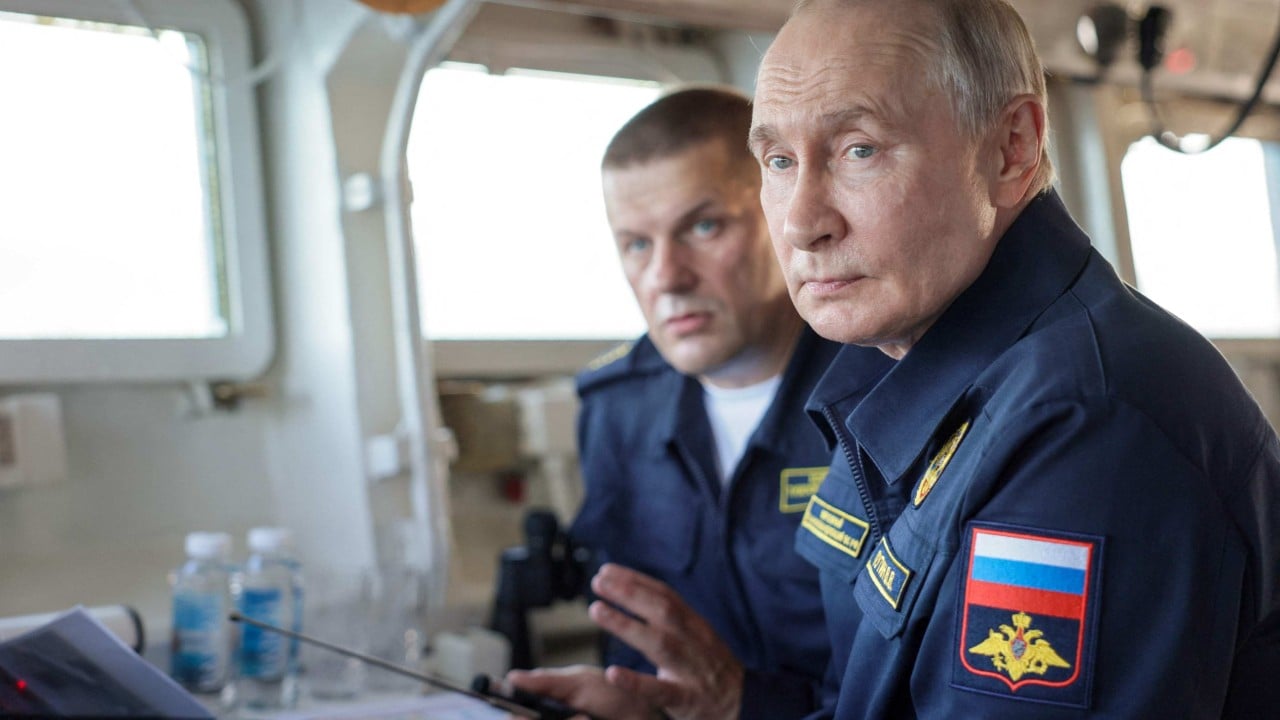
Russian President Vladimir Putin just touched down on Iturup, one of the disputed Kuril Islands. It is his first personal visit to the island chain, and Tokyo is furious.
If you have watched Moscow-Tokyo relations over the last few years, you know they were already in freefall. This stunt guarantees a permanent freeze on any diplomatic breakthrough. Putin walked through the Yasny fish-processing plant, sampled local fish roe, and told residents the weather felt "just like a resort." Behind the casual optics lies a heavy geopolitical message. Russia isn't budging an inch.
The World War II Echo That Won't Die
Why do these remote islands matter so much? It goes back to August 1945. In the closing days of World War II, Soviet forces swept through and seized the chain. Japan calls the four southernmost islands—Iturup, Kunashir, Shikotan, and Habomai—its Northern Territories. Russia calls them the Kurils and treats them as sovereign territory won through global conflict.
This unresolved grudge is the main reason Russia and Japan have never signed a formal peace treaty to end WWII. Decades of talks, summits, and backroom negotiations have yielded zero results. Whenever Tokyo thinks there is an opening, Moscow digs deeper.
Timing Is Everything
Putin didn't fly out to the Pacific on a whim. The trip followed major naval drills in Russia's Far East, where he inspected the Pacific Fleet's flagship missile cruiser, the Varyag. It also landed right on the heels of ballistic missile tests by North Korea, Moscow's increasingly close ally.
Ever since the war in Ukraine triggered sweeping Western sanctions, Japan aligned tightly with G7 partners against Moscow. That choice completely destroyed whatever fragile goodwill remained. Russia pulled out of peace treaty talks, froze joint economic projects on the islands, and slammed the door on future compromises. Visiting the territory in person marks a new escalation in a frozen conflict.
What Happens to the Local Economy and People
Around 20,000 people live under Russian administration across these islands. They rely on massive state subsidies, defense infrastructure, and lucrative fishing industries. When Putin toured the fish plant on Iturup and checked out massive local tuna and halibut, he was signaling normalization and permanence.
Japan maintains that roughly 17,000 Japanese citizens were forced off the islands after the 1945 occupation. Tokyo protests every single high-level Russian visit, economic investment, or military buildup as a violation of international law.
Yet protests carry little weight in Moscow right now. Japanese Foreign Minister Toshimitsu Motegi issued immediate condemnations, but diplomatic notes won't shift facts on the ground. Russia holds the ports, the airfields, and the military outposts.
Expect bilateral ties to stay completely frozen. Without a mechanism to settle the territorial claims, any talk of a formal post-WWII peace pact is dead on arrival. Check local updates as Tokyo weighs additional diplomatic retaliations, but don't expect Moscow to reverse course.