We live in an age where a single, out-of-context video clip can spark global panic within minutes. You see it on your feed, your relatives start forwarding it in family group chats, and before you
Why That Viral Mecca Suicide Bomber Video Was Always Pure Fiction
news
Videos spread fast online, but the ones claiming to show extreme violence inside the Grand Mosque in Mecca spread faster because algorithms love panic.
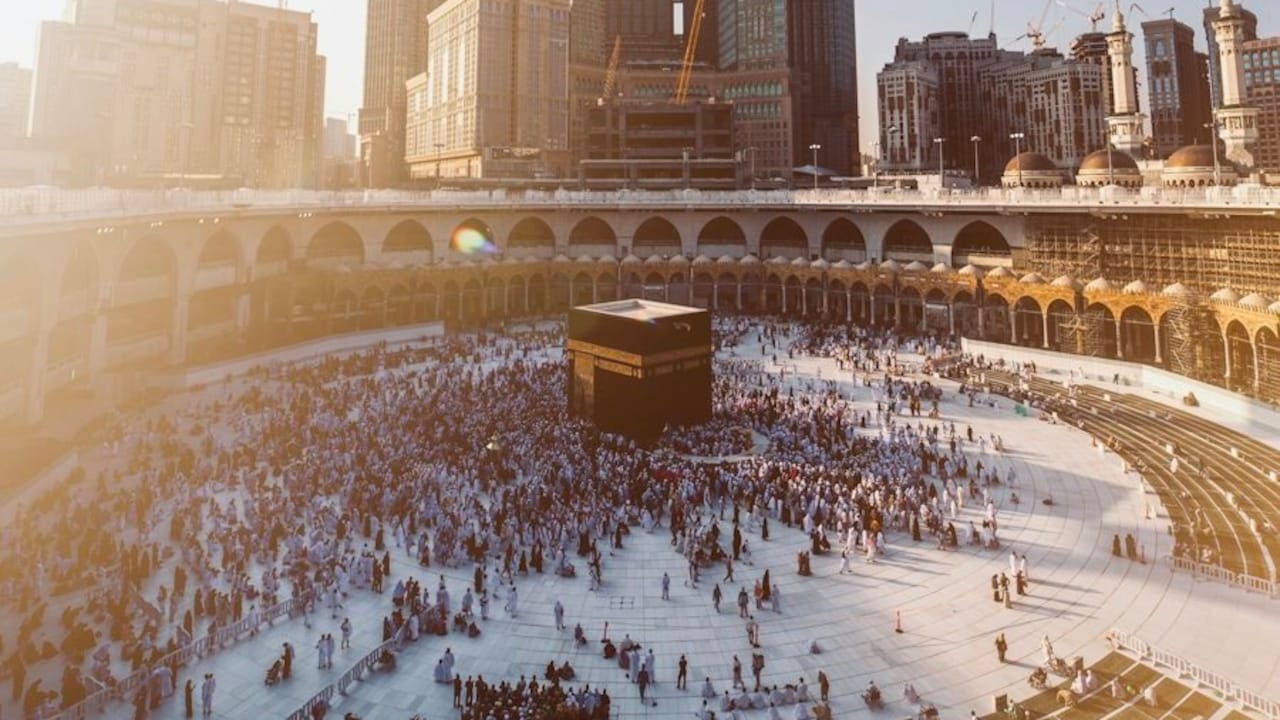
If you spent any time scrolling through social media feeds, you probably ran across the jarring footage. A shaky clip claimed to show a suicide bomber detonating an explosive device inside Islam's holiest site. Panic followed. Millions viewed it. Authorities rushed to shut down the rumors.
Saudi security forces had to step in immediately to clarify that the video circulating wildly online was entirely fake.
The anatomy of a manufactured crisis
Panic works like currency on modern digital platforms. Bad actors know that attaching a horrific threat to a universally recognized location like the Grand Mosque in Mecca guarantees instant engagement. They take old footage from completely unrelated incidents, strip away the context, and slap a terrifying label on it.
You see this playbook run over and over. A localized gas explosion somewhere else in the world gets reframed as a terror attack at a sacred landmark. Grainy footage from a drill or a completely different decade gets recycled with a sensational caption.
When the Saudi authorities investigated the viral clip, they didn't find a security breach. They found digital manipulation. The video depicted events that never happened inside the sanctuary. Yet, by the time official denials hit the news wires, the psychological damage was already done. People sitting thousands of miles away felt a jolt of real fear based on fabricated pixels.
Why social platforms keep failing content moderation
Platforms built for speed are fundamentally broken when it comes to breaking news. When a terrifying video drops, the recommendation engines amplify it before human moderators or fact-checkers can blink.
The incentives are backwards. Outrage keeps eyes glued to screens. A boring headline saying "Nothing happened in Mecca today" doesn't generate ad revenue. A screaming headline about an active threat does.
We bear some responsibility as consumers, too. We share first and verify later. That habit fuels the ecosystem of disinformation. When you hit retweet on an unverified clip of violence, you act as an unpaid marketer for panic-peddlers.
How to spot these fabricated threats before you share
You don't need a forensic video lab to catch most of these manufactured clips. A little skepticism goes a long way.
First, check the lighting and architecture. Major global landmarks like the Grand Mosque have constant, high-definition security coverage and thousands of pilgrims present at any given hour. If a massive explosion happened there, hundreds of independent eyewitnesses would be streaming live from different angles simultaneously.
Second, look for emotional manipulation. If a video relies entirely on blurry resolution, dramatic music, or panic-inducing text overlays without naming official, verified news agencies, walk away. Real journalism provides specific dates, names, and traceable sources.
Finally, check official statements. Saudi security agencies maintain strict monitoring systems around holy sites. Any legitimate security incident inside the sanctuary triggers immediate, transparent updates from state channels and international press. If Reuters, the Associated Press, or official interior ministry channels are silent, the viral video on your screen is garbage.
Stop rewarding lazy deception with your attention. The next time a terrifying clip pops up from a major world landmark, pause before you amplify it. Verify the source, check the context, and let the outrage machine starve.