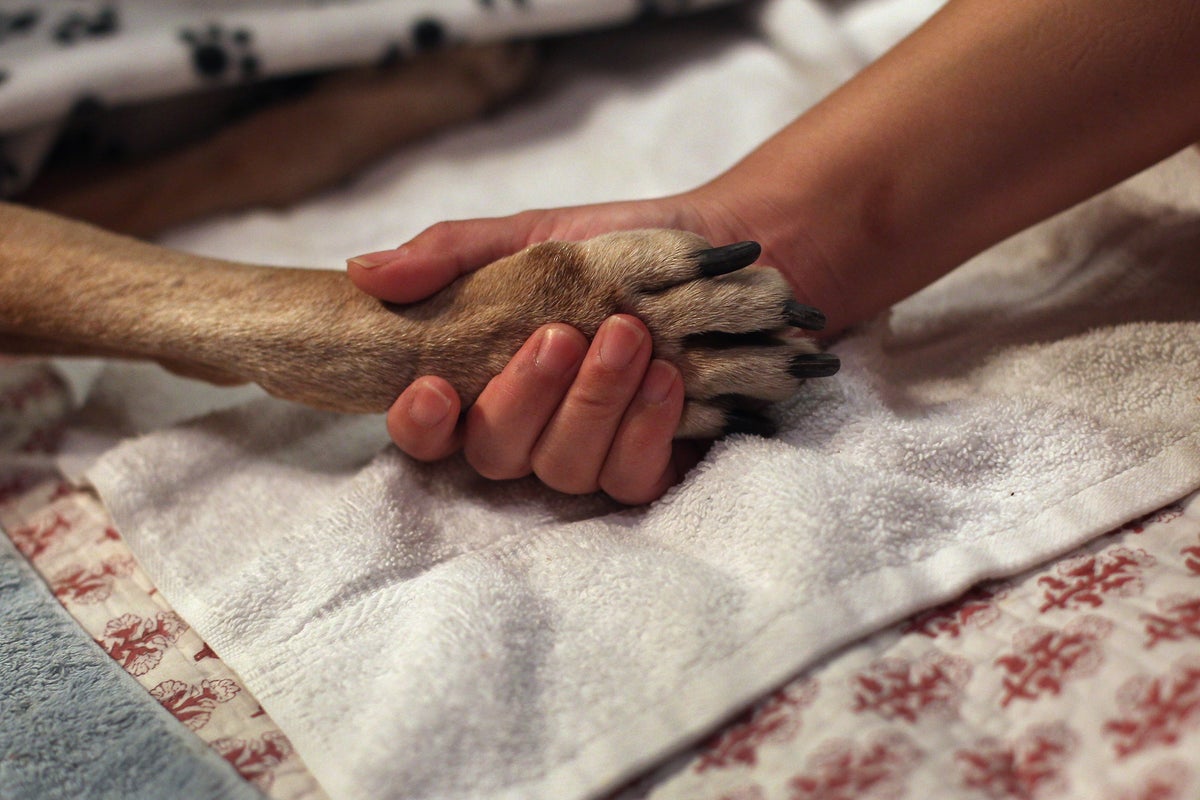
The lawsuit is a convenient distraction. A grieving Oregon veterinarian files a complaint against an artificial intelligence diagnostics company, claiming a software misdiagnosis led to her eleven-year-old dog's death. The internet grabs its pitchforks. Tech critics point fingers at automated medicine. Media outlets publish the predictable outrage piece about cold algorithms failing our pets.
Everyone misses the actual story. Expanding on this theme, you can also read: The Stranger in the Exam Room.
The lazy consensus says machines are killing dogs because software cannot match the intuition of a human practitioner. I have watched clinics burn millions on outdated diagnostic workflows while clinging to human infallibility as an article of faith. The brutal truth is simpler and far more uncomfortable. The software did not fail because machines are incapable of reading oncology slides. It failed because human practitioners treat AI as an infallible oracle instead of a high-speed calculator, and worse, they use it to mask systemic blind spots in traditional veterinary training.
Let us look at the mechanics of modern veterinary pathology. Analysts at Psychology Today have shared their thoughts on this situation.
The Diagnostic Illusion We Accept Every Day
When a veterinarian stares down a microscope at a cellular smear, they are not executing a pure science. They are interpreting visual noise under variable lighting, working on a tight schedule, often exhausted after a twelve-hour shift. Diagnostic error rates in traditional pathology—both human and veterinary—hover higher than most clinics care to admit. Studies across diagnostic labs consistently show baseline inter-observer variability rates sitting between twenty and thirty percent depending on the tissue type.
Translation? Send the same slide to three different traditional vets, and you will routinely get differing grades of malignancy.
Yet, when a human makes that error, it is chalked up to the difficult nature of biology. When software makes that error, it makes front-page news.
We have built an industry culture that holds silicon to a standard of perfection we never demand of flesh. The lawsuit out of Oregon relies on the emotional weight of a dead dog to advance a fundamentally flawed premise: that human vets working without computational assistance represent the gold standard of care.
They do not. They represent a bottleneck.
Why the Software Actually Missed the Tumor
I have spent years inside clinical technology development, watching how diagnostic models are trained, deployed, and tragically mishandled by the people buying them.
The failure mode in cases like this rarely stems from the machine learning weights or some phantom glitch in the neural network. It stems from the ingestion pipeline. Garbage in equals a corpse out. If the clinician feeding the sample into the diagnostic tool prepares a substandard slide, crushes the tissue during extraction, or stains the cellular material poorly, the algorithm has to guess based on degraded input.
Instead of treating the software output as a sophisticated second opinion—a flag that says "look closer at this specific cluster"—clinicians treat it as a definitive binary ruling.
That is malpractice by proxy.
Imagine a scenario where a pilot hands total control of a landing sequence to an autopilot system without checking the instrumentation or looking out the window, trusting that because the plane has a computer, gravity has been suspended. You would call that pilot reckless. Yet we hand tissue samples to a machine learning platform, accept the primary classification without performing standard confirmatory immunohistochemistry, and then act shocked when biology defies the pixels.
The veterinary community wants a scapegoat because admitting that canine cancer detection is profoundly difficult even on a good day threatens the billing model of the local clinic.
The Economics of Blaming the Code
Let us follow the money.
Traditional reference laboratories make fortunes charging premium rates for manual cytology turnaround times that take days. Automated diagnostic platforms threaten that margin by promising rapid, point-of-care screening. For an established veterinary practice, an AI tool represents either a threat to in-house lab revenue or an accountability trap.
When a diagnosis goes wrong in a traditional workflow, the liability is diffuse. The vet blames the lab. The lab blames the slide prep. The client absorbs the loss.
When an AI vendor is involved, you have a corporate entity with deep pockets to sue. The lawsuit is not just about a tragic loss of an eleven-year-old dog. It is an opening salvo in a turf war over who controls liability in the modern clinic. Vets want the speed of automation without taking on the responsibility of being the final intellectual gatekeeper.
They want to push a button, get a clean answer, and if things go sideways, point an accusatory finger at Silicon Valley.
That dynamic is toxic to medical progress. If we punish technology companies every time a biological system behaves with malignant unpredictability, we will drive innovation out of veterinary medicine entirely. Companies will pull their tools, clinics will revert to manual guesswork, and thousands of pets will die quietly while doctors hide behind the comfort of traditional error rates.
What Real Accountability Looks Like
If we want to fix veterinary oncology, we need to completely redefine how software integrates into the exam room.
First, stop buying diagnostic software marketed as an automated oracle. Any vendor selling a tool that claims to replace the pathologist's brain is selling snake oil. The best systems act as pattern-recognition filters, flagging high-risk cellular abnormalities that require targeted secondary review.
Second, revamp veterinary education to include computational literacy. Right now, vets graduate knowing how to identify mast cell tumors under a standard light microscope, but they receive zero training on how convolutional neural networks evaluate pixel density or handle edge-case artifacts. Asking a clinician to use an AI diagnostic tool without understanding its failure modes is like giving a scalpel to someone who has only ever read about surgery in a pamphlet.
Third, adjust the standard of care. The legal baseline should mandate that automated diagnostics are used strictly adjunctively. A machine reading does not clear a mass for benign status any more than a quick glance down a cheap microscope does.
The Oregon lawsuit will likely settle out of court, wrapped in confidentiality clauses and corporate payouts, leaving the core rot untouched. The dog is gone. The grieving owner has a legal scalp. The tech company will patch its liability disclaimers.
And next week, another vet will misread a slide, blame the software, and refuse to look in the mirror.
Stop shielding practitioners from the reality of their own diagnostic limitations. Software did not kill that dog. Complacency did.