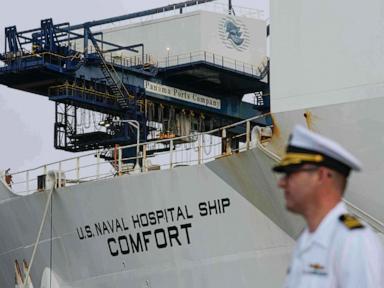
Peru is bracing for a weather disaster, and Washington is stepping in early. The United States plans to dispatch a massive military hospital ship to the Peruvian Pacific coast next February.
U.S. Ambassador to Peru Bernie Navarro made the announcement following a meeting in Miami with Peruvian Foreign Minister Carlos Espá. The goal is simple. Officials want to get ahead of the severe weather disruptions expected from the upcoming El Nino cycle. Meteorologists are sounding alarms that this warming cycle could match or even surpass the devastating impacts seen during the historic 1997 event. Learn more on a related subject: this related article.
When weather patterns shift this drastically, local medical infrastructure gets overwhelmed almost immediately. That is why having a floating facility makes operational sense.
Understanding the El Nino Threat
You might wonder why a climate event triggers a military response. El Nino isn't just a minor fluctuation in ocean temperatures. It wreaks havoc on local ecosystems, triggers massive floods, spawns forest fires, and drives up heat waves across South America. More analysis by Associated Press highlights similar views on this issue.
When heavy rains wash out roads and isolate rural communities, public health crises follow close behind. Waterborne diseases spike. Routine medical care stops. Hospitals onshore lose power or get flooded out.
By deploying the USNS Comfort to the region ahead of time, planners hope to bypass the bottlenecks that plagued past disaster responses. Ambassador Navarro noted that recent emergency aid deployments in countries like Colombia exposed real gaps in coordination speed. This early deployment aims to fix that mistake.
What the USNS Comfort Actually Brings
The USNS Comfort is essentially a floating mega-clinic. It is equipped with multiple operating rooms, a full pharmacy, a laboratory, and hundreds of hospital beds.
During previous deployments to South America, including visits to Peru in 2018 and 2019, the ship handled thousands of urgent surgeries and routine medical consultations for local residents. It takes pressure off local doctors who are busy treating injuries and illnesses tied directly to storm damage.
The deployment is part of a broader bilateral road map. Beyond the hospital ship, the cooperative agreement includes specialized equipment, tactical expertise, and aerial overflights to monitor changing conditions and coordinate relief.
A Shift in Regional Strategy
Foreign policy in the Western Hemisphere has shifted noticeably under the current administration. Washington is doubling down on security partnerships and disaster readiness across Latin America.
For Peru, dealing with this looming climate threat is a top priority for President Keiko Fujimori's administration. Foreign Minister Espá used his trip to Miami not only to finalize the disaster preparedness agreement with U.S. officials, but also to pitch mining and infrastructure investments to American business leaders.
Disaster relief and economic cooperation are running on parallel tracks. Peru needs stability to protect its economy from weather shocks, and the U.S. wants a reliable partner in the region.
Expect logistical preparations to ramp up significantly over the next few months as tracking data confirms the path and timeline for the fleet. If you live or work along the Peruvian coast, local municipal agencies will roll out evacuation and health access guidelines well before February arrives. Pay attention to those updates early.