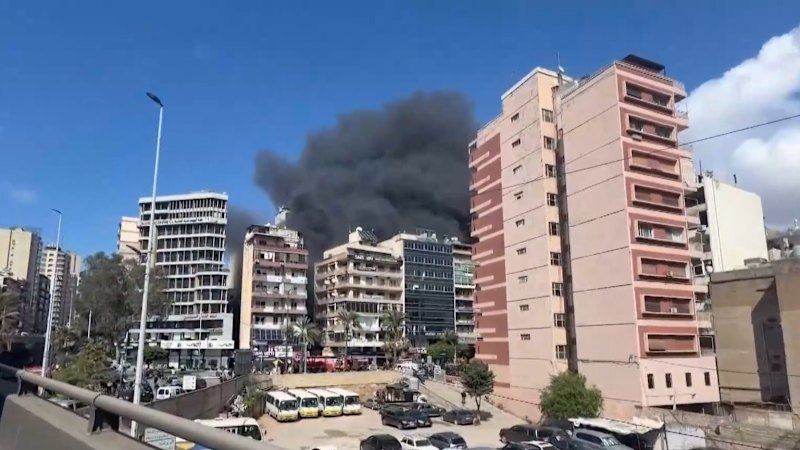
The ink isn't even dry on the latest diplomatic cables and the whole thing is already falling apart. If you've been following the news cycles about a potential US-Iran ceasefire, you've probably heard the usual optimistic talk from State Department briefers and European mediators. They want you to believe we're on the edge of a historic cooldown. They're wrong. Peace in the Middle East doesn't happen because two people signed a piece of paper in Geneva or Doha. It happens when the people holding the guns decide it's in their best interest to stop shooting. Right now, neither side has a reason to put the guns down.
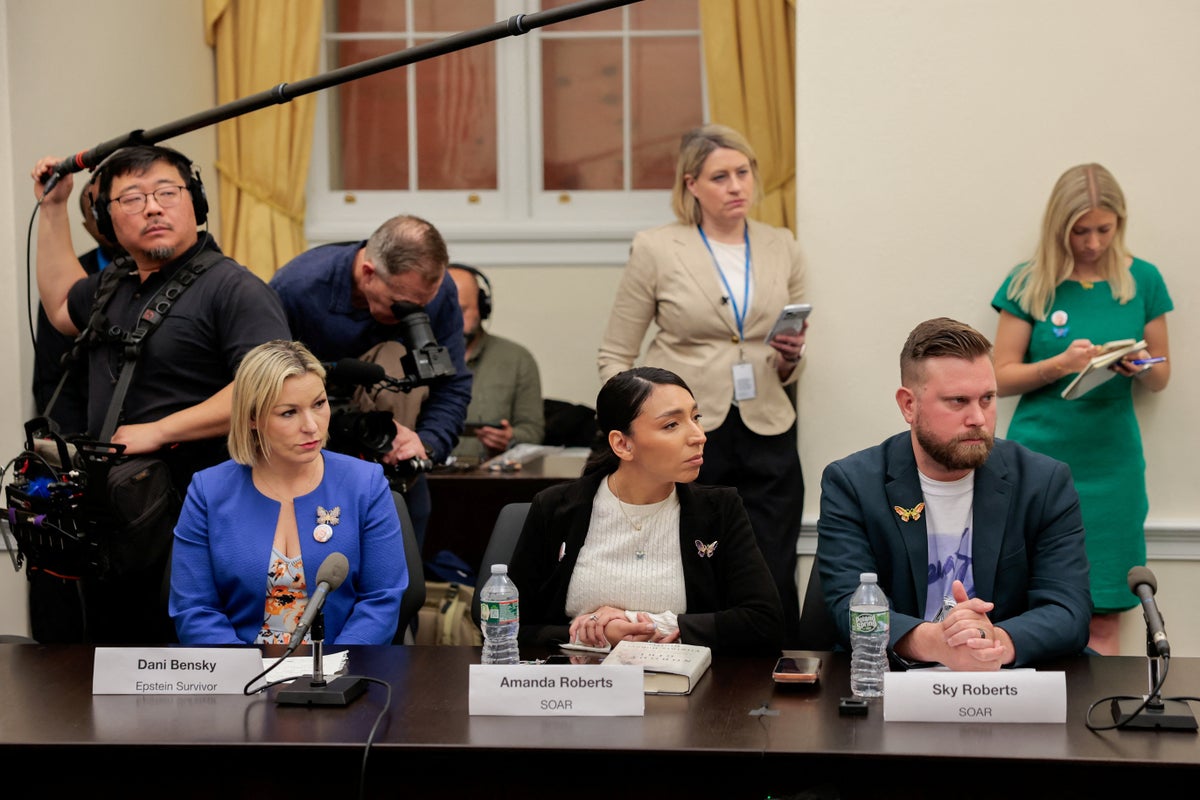
We’re looking at a situation where the domestic politics of both Washington and Tehran are actively sabotaging any chance of a long-term stand-down. It's a mess. The US wants to pivot to Asia. Iran wants to cement its regional hegemony. These two goals are fundamentally at odds. You can't have a "quiet" Middle East when the primary regional power feels that its survival depends on making things loud. You might also find this connected coverage insightful: Epstein survivors took their fight to Congress after King Charles said no.
The Proxy War Trap
You can't talk about a ceasefire between the US and Iran without talking about the groups that actually do the fighting. This is where the diplomacy hits a brick wall. Tehran uses a "ring of fire" strategy. They support militias in Iraq, Syria, Lebanon, and Yemen. These groups aren't just puppets; they have their own local agendas. Even if Tehran tells them to sit tight, a local commander in Baghdad might decide he wants to take a shot at a US base to boost his own political standing.
When that happens, the US has to respond. If they don't, the White House looks weak. If they do, the ceasefire is dead. It's a cycle that nobody seems to know how to break. During the 2023-2024 escalations, we saw over 170 attacks on US positions in the region. Each one of those was a potential spark for a full-scale war. A ceasefire that doesn't address these non-state actors isn't a ceasefire at all. It’s just a pause while everyone reloads. As highlighted in recent coverage by BBC News, the implications are significant.
The problem is that the US insists on "de-escalation" while Iran insists on "resistance." These aren't just different words. They’re different worldviews. For the US, a ceasefire means everything goes back to the status quo. For Iran, the status quo is unacceptable because it includes heavy economic sanctions and a US military presence on their doorstep.
Sanctions are a Weapon of War
One thing people get wrong is thinking that sanctions are a peaceful alternative to war. In Tehran, they don't see it that way. They see the "Maximum Pressure" campaign as an act of economic aggression. You can't ask a country to stop fighting while you’re simultaneously trying to collapse its currency and starve its budget.
If the US wants a real ceasefire, they have to offer real sanctions relief. But politically, that’s almost impossible for any American president. The moment a White House official mentions easing oil sanctions, the opposition starts screaming about "appeasing terrorists." It's a political dead end. So, we stay in this weird limbo where we ask Iran to behave like a normal neighbor while we keep our boot on their neck. It doesn't work. It has never worked.
The Nuclear Elephant in the Room
We also have to deal with the fact that Iran’s nuclear program is further along than it has ever been. According to reports from the International Atomic Energy Agency (IAEA), Iran has enough highly enriched uranium to produce several nuclear warheads if they chose to do so. This changed the math completely.
A ceasefire in 2026 isn't just about stopping drone strikes in the desert. It's about a ticking clock. Israel has made it very clear they won't live with a nuclear-armed Iran. If a US-Iran ceasefire doesn't include massive concessions on the nuclear front, Israel might decide to take matters into their own hands. If that happens, the US gets dragged in anyway. This makes any bilateral agreement between Washington and Tehran feel incredibly fragile. It's like trying to build a house on a fault line during an earthquake.
Why Nobody Trusts the Negotiators
Trust is at an all-time low. Remember the JCPOA? The 2015 nuclear deal? Iran hasn't forgotten that the US walked away from it with the stroke of a pen in 2018. From their perspective, why should they trust any deal with Washington when the next administration might just rip it up again?
On the flip side, the US looks at Iran’s history of "plausible deniability" regarding its proxies and sees a bad-faith actor. When a drone hits a tanker in the Gulf of Oman, Iran says "it wasn't us." The US knows better. This lack of trust means that any ceasefire agreement has to be incredibly specific and verifiable. But the more specific you make it, the harder it is to get both sides to agree.
The Internal Power Struggles
In Tehran, the hardliners are winning. The moderate voices that pushed for the 2015 deal have been sidelined or silenced. The Islamic Revolutionary Guard Corps (IRGC) holds the keys to the economy and the military. They benefit from a state of "neither war nor peace." It justifies their massive budgets and their grip on power. They don't want a full-blown war that could destroy the regime, but they don't want a warm peace that might make them irrelevant.
In Washington, the situation is just as polarized. Foreign policy has become a domestic political football. There’s no longer a "bipartisan" approach to Iran. This means the US can't offer long-term guarantees. If you’re an Iranian negotiator, you’re looking at the US election calendar just as closely as you’re looking at the terms of the deal.
What a Real Ceasefire Would Actually Look Like
If we were serious about a ceasefire, it wouldn't start with a high-profile summit. It would start with small, quiet wins.
- Prisoner swaps: These have worked in the past and build a tiny shred of functional communication.
- De-confliction hotlines: Direct lines between military commanders to prevent accidental escalations in the Persian Gulf.
- Limited sanctions waivers: Targeted relief in exchange for specific, verifiable freezes in enrichment or proxy activity.
- Regional dialogue: Getting the Saudis and the Iranians in the same room without the US acting as the middleman.
Instead, we get these grand announcements that usually fall apart within weeks. Honestly, the term "ceasefire" is a bit of a misnomer here. We aren't in an official war, so we can't really have an official ceasefire. What we have is a "gray zone" conflict. In the gray zone, there are no clear winners and the rules change every day.
The Risks of Doing Nothing
The danger of the current "hangs in the balance" status is that it invites miscalculation. When both sides are on high alert, a simple mechanical failure on a drone or a nervous sailor on a patrol boat can trigger a massive retaliatory spiral. We’ve seen it happen before. In 2020, after the Soleimani strike, the world held its breath. We’re in that same territory again.
The US needs to decide what its actual priority is. If the goal is to stop the regional "forever wars," then a messy, imperfect deal with Iran is the only way out. If the goal is regime change or total capitulation, then we should stop pretending that a ceasefire is even possible. You can't negotiate with someone you're trying to destroy.
Taking the Next Step
Don't wait for the mainstream media to declare a "peace breakthrough." Look at the actual metrics of conflict. Watch the price of Brent Crude oil. If it spikes, the market thinks the ceasefire is failing. Watch the maritime insurance rates in the Strait of Hormuz. If they go up, the risk of "gray zone" conflict is rising.
For those of you analyzing these risks for business or travel, keep a close eye on the US Treasury Department's OFAC updates. They’re the first ones to signal a shift in policy. If you see new sanctions being layered on while diplomats are talking, the talk is just noise. Real change happens in the bank accounts and the missile silos, not the press rooms. Pay attention to the actions, not the scripts. The balance is shifting, but it’s leaning toward more friction, not less.