Don't buy into the sudden wave of optimism coming out of Washington and Tehran. Yes, US Secretary of State Marco Rubio claims there is a chance for big news soon. Yes, Iranian officials are talking about narrowing differences. But if you look closely at what is happening behind closed doors, we are still a single misstep away from a catastrophic escalation.
Right now, Donald Trump is calling the current diplomatic track a solid fifty-fifty proposition. He is weighing whether to sign off on a draft agreement or, in his own words, blow them to kingdom come. This is typical high-stakes brinkmanship, but the stakes have never been higher. Following the devastating joint US and Israeli air strikes on February 28 that reshaped the Iranian leadership, a fragile ceasefire has barely held the region together.
The core issue driving this crisis is straightforward. Washington wants a complete end to Iranian nuclear enrichment and the immediate surrender of its highly enriched uranium stockpile. Tehran wants an end to the suffocating maritime blockade and a guarantee of security before they even touch the nuclear conversation. They are talking, but they are speaking completely different languages.
The Pakistan Connection and the Illusion of Progress
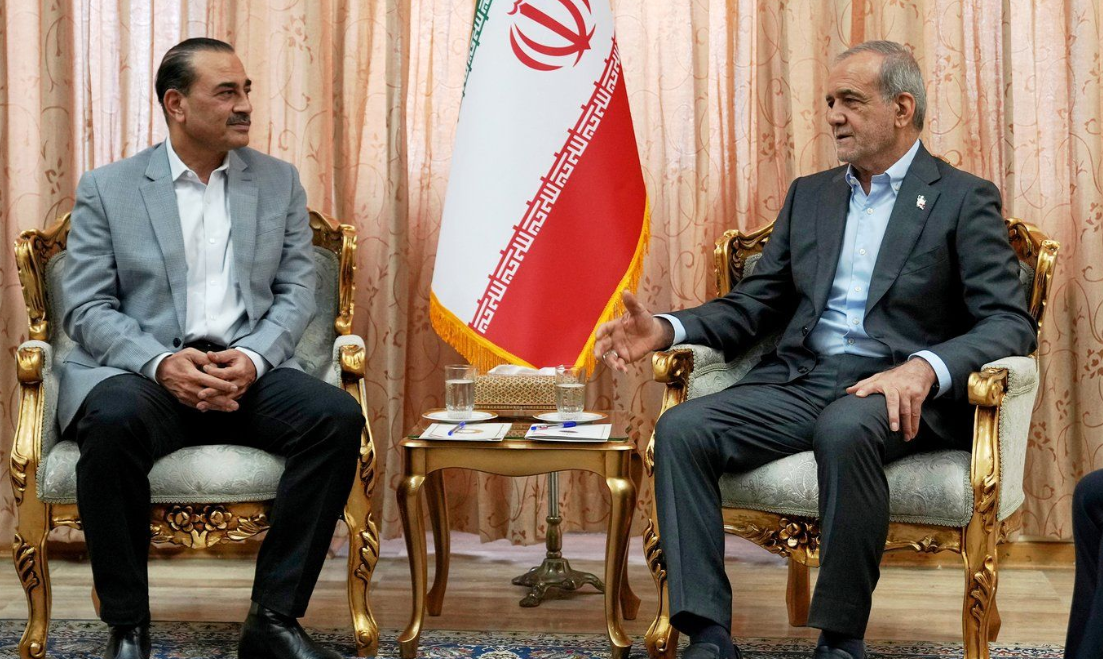
Much of the recent optimism stems from the frantic shuttle diplomacy led by Pakistan Army Chief Field Marshal Asim Munir. Munir has been on the ground in Tehran meeting with Iranian President Masoud Pezeshkian, Foreign Minister Abbas Araghchi, and Parliament Speaker Mohammad Bagher Qalibaf.
Pakistan has a massive stake in preventing this war from reigniting. A collapsed Iran means a destabilized border for Islamabad. Pakistani officials have dropped anonymous hints that things are moving in the right direction, aiming for a sixty-day ceasefire extension.
But look at what the Iranian side is saying to their domestic audience versus what they tell international mediators. Foreign Ministry spokesperson Esmail Baghaei openly stated that nuclear issues are not even part of the current negotiations. Tehran wants a deal to end the war first. They want the US economic stranglehold lifted before they negotiate away their only real leverage. Meanwhile, the Islamic Revolutionary Guard Corps (IRGC) through its media arms warns that talks will completely fail if the US doesn't show flexibility.
What the US is Demanding vs What Iran is Willing to Give
The Trump administration isn't looking for a rerun of the 2015 nuclear pact. They want total capitulation. The current US position relies on heavy preconditions that leave very little room for compromise.
- Zero Enrichment: The US wants Iran to halt all uranium enrichment and hand over its existing highly enriched uranium stockpile.
- The Strait of Hormuz: Washington demands the complete, permanent, and safe opening of this vital economic artery.
- Asset Freeze: The US is refusing to release at least a quarter of Iran's frozen global assets and completely rejects any Iranian demands for war reparations.
Iran's leadership views these terms as an absolute non-starter. Qalibaf made it clear that if Trump decides to pull the trigger on a new round of military strikes, the Iranian response will be far more bitter and crushing than anything witnessed in the opening days of the conflict.
The economic realities are driving both sides to the table, even if their political goals are miles apart. When the war kicked off in February, Iran effectively shut down the Strait of Hormuz. That move sent shockwaves through global energy and fertilizer markets. The US responded with a brutal naval counter-blockade. US Central Command confirmed that its forces have turned away more than one hundred commercial vessels and disabled four others trying to access Iranian ports since April 13.
The Fifty-Fifty Reality on the Ground
Trump admitted that he only held off on a scheduled May 19 large-scale air assault because regional allies—specifically leaders from Qatar, Saudi Arabia, and the United Arab Emirates—begged him for a few days to let diplomacy breathe. They are terrified of the regional fallout if the US military launches a full-scale assault on Iranian infrastructure.
But Trump's patience is notoriously short. He has given his national security team, including Defense Secretary Pete Hegseth and CIA Director John Ratcliffe, instructions to keep forces primed for immediate action.
If a sixty-day ceasefire extension is signed over the next few days, it won't mean peace. It simply means both sides have agreed to a temporary cooling-off period to reload their diplomatic weapons. Iran is actively rebuilding its military assets after weeks of devastating bombardment, and the US is keeping its carrier strike groups in striking distance.
If you are tracking this conflict for its impact on global markets, energy prices, or geopolitical stability, do not mistake a memorandum of understanding for a permanent solution. Prepare for continued volatility. The temporary pause has kept oil flowing for now, but the underlying fuse remains lit. Watch the shipping data in the Strait of Hormuz over the next seventy-two hours. If the US naval blockade shows signs of easing, a temporary deal is real. If the restrictions tighten, expect the bombers to fly.