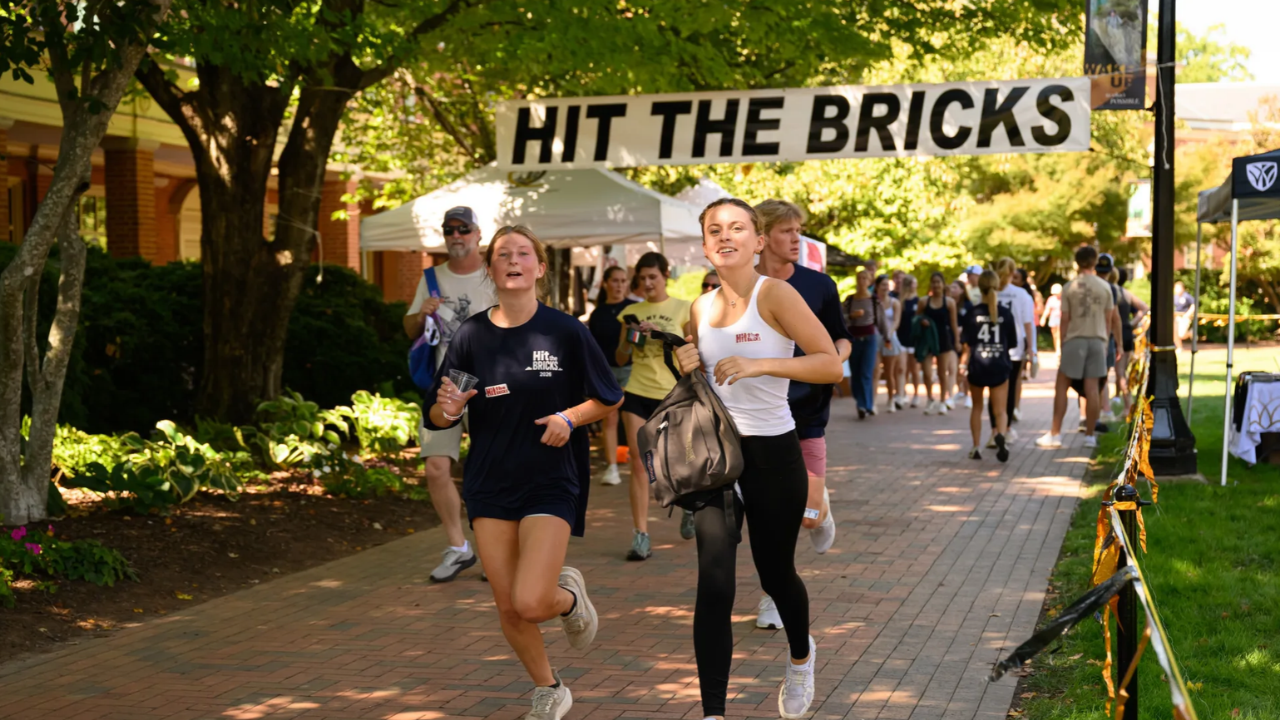
Every autumn, elite universities roll out the red carpet for feel-good milestones. They trot out students in matching t-shirts, cue the motivational playlist, and tally up millions for cancer research through marathon campus relays. Take the perennial darling, Wake Forest University and its Hit The Bricks fundraiser, which recently vaulted past the two-million-dollar mark in cumulative totals by logging endless laps around a quad. The campus community beams. Local news anchors smile warmly. The ticker tape drops.
Everyone walks away feeling like they just cured a pathology with their sneakers. Read more on a related topic: this related article.
It is a comforting illusion. It is also an absolute masterclass in misdirected energy.
I have spent decades watching institutions treat philanthropy like a sorority rush event. The lazy consensus of modern academic fundraising is that visibility equals efficacy, that logging physical miles somehow translates to moving the needle on molecular oncology, and that community spirit can substitute for systemic economic reform in drug development. Additional reporting by NBC News explores similar perspectives on the subject.
Wake Forest deserves credit for persistence, but let us stop pretending that running in circles around an administrative building is an efficient engine for scientific breakthroughs. It is a retention and morale exercise masquerading as a medical crusade.
If you want to understand why medical funding remains fractured, you have to look past the cheerleaders and examine where the actual dollars go, how academic overhead bleeds dry grassroots contributions, and why corporate sponsors love attaching their logos to student sweat.
The Metrics Trap of Collegiate Philanthropy
Let us look at the mechanics. A university stages a multi-hour relay. Hundreds of students solicit five-dollar donations from hometown relatives, fraternity brothers, and local pizza joints. Months of planning culminate in sore calves, blistered heels, and a shiny press release boasting a new fundraising ceiling.
The headline number looks great on an admissions brochure. But let us dissect the real cost-per-dollar-raised ratio when you factor in administrative overhead, event production costs, lost instructional hours, and marketing expenditures.
Imagine a scenario where every single student who spent forty hours organizing, promoting, and running in a campus relay spent those exact same forty hours working a minimum-wage job and directly donating the net proceeds, or better yet, learning how venture capital biotech funding actually functions. The financial output would likely double, and the educational dividend would skyrocket.
Instead, we romanticize exhaustion. We reward the spectacle of physical endurance because it is visible, photogenic, and safe. It requires no uncomfortable conversations about why federal research grants are shrinking or why pharmaceutical pricing models prioritize lifestyle management drugs over curative oncology.
Relays give participants a dopamine hit. They do not give researchers a predictable runway for clinical trials.
The Myth of Grassroots Micro-Donations in High-End Science
We are told that every dollar counts, that the power of the crowd can move mountains. In modern oncology, that is a sentimental fairy tale.
Developing a single targeted cancer therapy routinely costs upwards of two billion dollars and takes over a decade of clinical trials, regulatory hurdles, and high-risk failures. Basic science laboratories do not live on proceeds from bake sales or campus track loops. They survive on multi-year institutional grants, venture capital syndicates, and targeted philanthropic endowments from ultra-high-net-worth individuals who understand portfolio risk.
When a campus fundraiser pulls in two million dollars over two decades, it sounds monumental to a college sophomore. In the context of drug discovery, it is a rounding error. It covers roughly three months of lab supplies and a half-time post-doc salary at a mid-tier research institution.
By treating these micro-donations as the primary weapon in the war against cancer, we let governments and mega-corporations off the hook. We create a narrative where the cure for a complex genetic disease depends on college students soliciting Grandma for twenty bucks via Venmo, rather than structural tax policy, robust public research funding, and corporate accountability.
It is emotional outsourcing. We feel helpless against a terrifying disease, so we run around a track to feel proactive.
Corporate Co-Optation and the Halo Effect
Why do universities love these events so much? Follow the branding.
When a major regional bank or healthcare conglomerate sponsors a campus charity relay, they are not writing a check out of pure altruism. They are buying cost-effective goodwill and prime recruitment access to top-tier graduates. They get their corporate logo emblazoned on event banners, generating positive public relations at a fraction of the cost of a traditional ad campaign.
The university gets a corporate partner to check off its community engagement KPI. The corporation gets a halo effect that washes away any awkward questions about its own labor practices, environmental footprint, or product safety records.
Everyone wins, except the actual science.
When philanthropy becomes a branding exercise, it loses its teeth. Real philanthropy is cold, calculated, and ruthless about return on investment. It targets bottlenecks in research infrastructure, funds high-risk hypotheses that conservative grant committees reject, and demands measurable outcomes rather than warm fuzzies.
Campus relays do none of this. They prioritize participation trophies over breakthroughs.
What We Should Be Doing Instead
If we are serious about eradicating cancer, we need to stop worshipping the ritual of the fundraiser and start demanding structural competence.
First, universities should pivot away from labor-intensive, low-yield physical spectacles and toward high-leverage intellectual capital. Imagine if Wake Forest redirected the thousands of hours poured into relay logistics toward student-led venture philanthropy funds, where undergraduates learn how to evaluate early-stage biotech startups, vet clinical trial data, and allocate capital to high-risk medical innovations.
Second, we need to dismantle the cult of the big total. Stop celebrating the gross amount raised without ever publishing the net impact per dollar after operational friction. Transparency is the only antidote to performative altruism.
Finally, individuals need to recognize that running around a quad is a great way to stay in shape, but a terrible way to save a life. If you want to fight cancer, skip the relay registration fee, ignore the guilt trip from the student solicitor, and direct your capital straight to labs utilizing open-source research models or phase-one clinical trials that traditional venture capital ignores.
Stop running in circles. Start demanding solutions that scale.