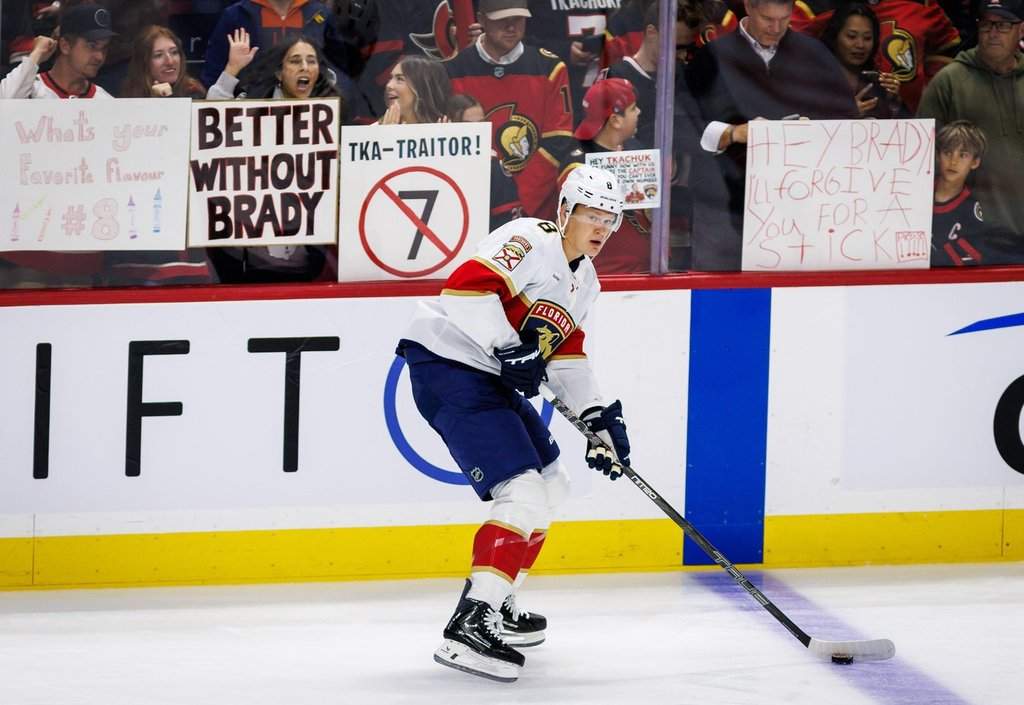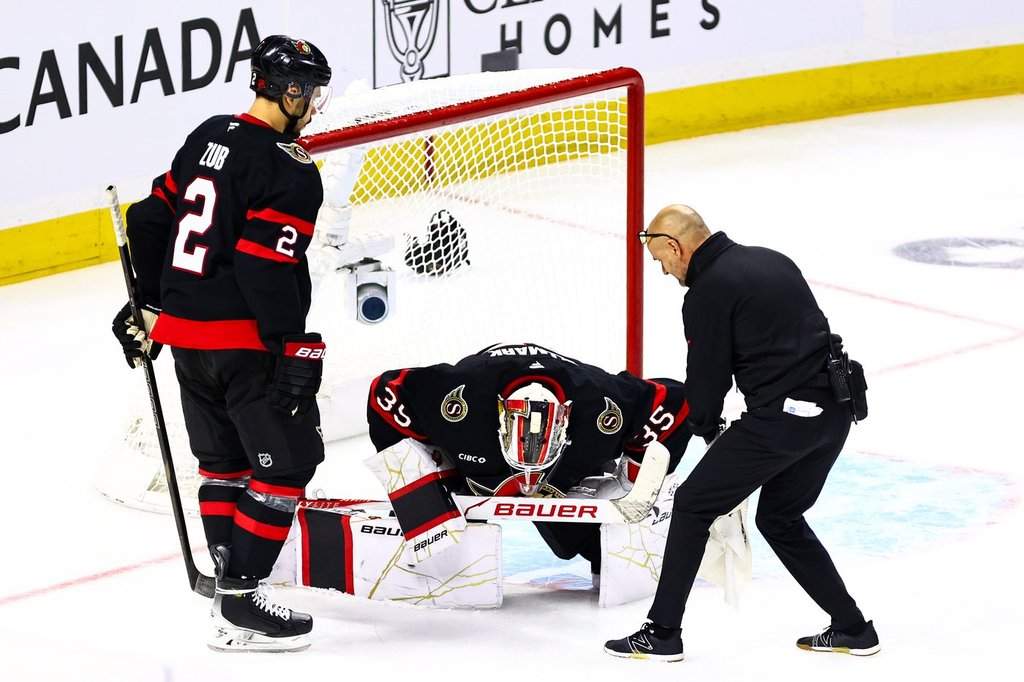
When Linus Ullmark went down in the third period against the Florida Panthers on October 21, 2026, Ottawa fans held their breath for a reason. Stopping a shot from former teammate Brady Tkachuk cost Ullmark a lower-body strain and sent him straight to injured reserve, right when he was playing like the best netminder in hockey.
The short answer? Placing Linus Ullmark on injured reserve didn't sink the Ottawa Senators, even though his absence exposed how much his elite form had been masking. Ottawa went 4-5-0 over the nine games he missed while leaning on Samuel Ersson and briefly recalling Jonas Johansson from Belleville. More importantly, Ullmark activated off IR in early November, returned to game action against Colorado on November 12, and quickly stacked wins to keep the Senators in the thick of the Atlantic Division race. Don't miss our earlier coverage on this related article.
A basic news blurb stops at the roster transaction. That misses the real story. Watching how Ottawa weathered a nine-game stretch without its No. 1 goalie shows what works in the Senators' system, what breaks down when the margin shrinks, and why goaltending depth still dictates survival in a loaded Eastern Conference.
How the Senators Handled Ullmark on Injured Reserve
Injured reserve in the NHL isn't just a medical label. It's a roster-management puzzle that forces coaches and general managers to show their cards. To read more about the context of this, The Athletic offers an excellent summary.
Before the October 21 injury against Florida, Ullmark had posted a 7-1-0 record with a 1.33 goals-against average and a .945 save percentage through eight starts. Those numbers aren't just good. They're Vezina-caliber territory. When a goalie plays at that level, he steals games Ottawa has no business winning and covers up defensive lapses before they hit the scoresheet.
Once the team placed Ullmark on injured reserve, the safety net disappeared. Samuel Ersson stepped into the heavy lifting alongside backup duties, and Ottawa brought up Jonas Johansson from the AHL's Belleville Senators to fill out the crease picture. Going 4-5-0 over nine games while your hottest player sits out isn't a disaster. Honestly, it's pretty close to treading water in a tough division.
The Crease Tandem Under Pressure
Anyone who watches goalie tandems closely knows the trap teams fall into when their starter goes down. Too often, a coach tries to ride the backup into the ground out of panic.
Ottawa didn't do that blindly, though the workload still tested the room. Ersson gave the Senators competitive nights, while Johansson provided AHL insurance without forcing the front office into a desperate trade. Still, there's a massive difference between a goalie who stops 94.5% of pucks and a tandem that simply gives you a chance if your skaters play clean hockey.
When Ottawa's skaters got sloppy in front of the net during those nine games, the puck found the back of the net. Ullmark had been erasing those mistakes. Without him, the Senators had to actually earn their territory.
What Nine Games Without Ullmark Exposed
Here's the mistake a lot of fans make after a top goalie gets hurt: they judge the backup's save percentage in a vacuum and ignore shot quality.
During the stretch without Ullmark, Ottawa's defensive structure looked decent in flashes, yet the margin for error shrank to almost zero. If the power play went cold or the top lines couldn't outscore a bad second period, the Senators didn't have a built-in bailout waiting in the crease. As CBC News noted around his return, Ottawa had 11 wins and 24 points through 19 games—respectable, playoff-caliber footing, yet clearly missing the dominance Ullmark brought in October.
That's the real value of watching a team survive an IR stint. You see who competes hard without a crutch and who coasts when the star is healthy.
Why Ullmark's Return Changed the Room Immediately
When Ullmark came off injured reserve and got back into the crease on November 12 against the Colorado Avalanche, the lift wasn't just statistical. It was psychological.
Defensemen play looser—in a good way—when they trust the guy behind them to track rebounds through traffic. Forwards manage risk differently when they know a turnover won't automatically end up behind the goal line. Even after picking up two wins in his first two starts back, Ullmark was candid with Julian McKenzie at The Athletic that he still had "a couple of things still to clean up" and hadn't felt completely at his best yet.
Think about how encouraging that is for Ottawa. Even while shaking off rust and knocking his season line to 9-1-0 with a .939 save percentage and 1.47 goals-against average, he was winning games and still seeing room to sharpen his crease movement.
Rebound Control and Blue-Line Confidence
Great goaltending isn't just acrobatic splits on highlight reels. Most of it is boring, repeatable craft.
Ullmark is big, calm, and deliberate with his rebound angles. When he kicks a shot into the corner instead of straight into the slot, Ottawa's defensemen get clean exits instead of scrambling to box out crashing wingers. By mid-November, as documented in NHL.com's recap against the Winnipeg Jets, Ottawa was clogging up the middle of the ice and leaning into low-event, high-discipline hockey with Ullmark back in rhythm.
That's a huge shift for a team that used to get dragged into track meets. You don't need a 6-5 barnburner every night when your goalie stops 20-plus shots and your structure squeezes out the slot.
Bigger Questions for the Senators Beyond the Crease
Getting Ullmark healthy is massive, sure. Don't pretend it solves every problem on Ottawa's roster.
Look around the injury report and the rest of the lineup. Forward depth has been tested too, with players like Andre Burakovsky, Warren Foegele, and William Eklund dealing with absences or timelines stretching into late November or beyond. Head coach Travis Green—recently extended through 2031—has had to mix and match lines while trying to keep Ottawa's playoff push steady.
If you're evaluating Ottawa as a genuine contender rather than just a fun team in November, three things matter most right now:
- Shot suppression over goalie heroics: Ullmark won't post a .945 save percentage for 60 starts. Nobody does. Ottawa has to keep limiting high-danger looks even on nights when his timing is slightly off.
- Secondary scoring when top lines get matched up: Tightening up defensively helps, yet playoff-style hockey demands depth goals when stars are locked down.
- Smart workload management: Lower-body strains in goalies are tricky. Keeping Ullmark fresh down the stretch matters way more than squeezing every ounce of juice out of a random Tuesday in November.
The debate around Ottawa isn't whether Ullmark can carry a workload when healthy. He's already proven that. The real test is whether the skaters in front of him match his standard every single night so the next injury scare doesn't knock the whole season off track.
Practical Ways to Track Ottawa's Goaltending and Roster Moves
If you follow the Senators closely—whether for fantasy hockey, sports analysis, or just keeping tabs on the Atlantic race—don't rely on box scores alone.
Check morning skate reports and starting-goalie confirmations two to three hours before puck drop, especially on back-to-backs or right after an IR activation. Watch how many inner-slot shots Ottawa surrenders rather than total shots on goal, because ten perimeter wrist shots mean very little compared to three clean backdoor looks. Finally, keep an eye on AHL call-ups and IR retroactive dates on the official NHL status reports, since cap flexibility and injury timelines often signal whether management plans to stand pat or add depth.