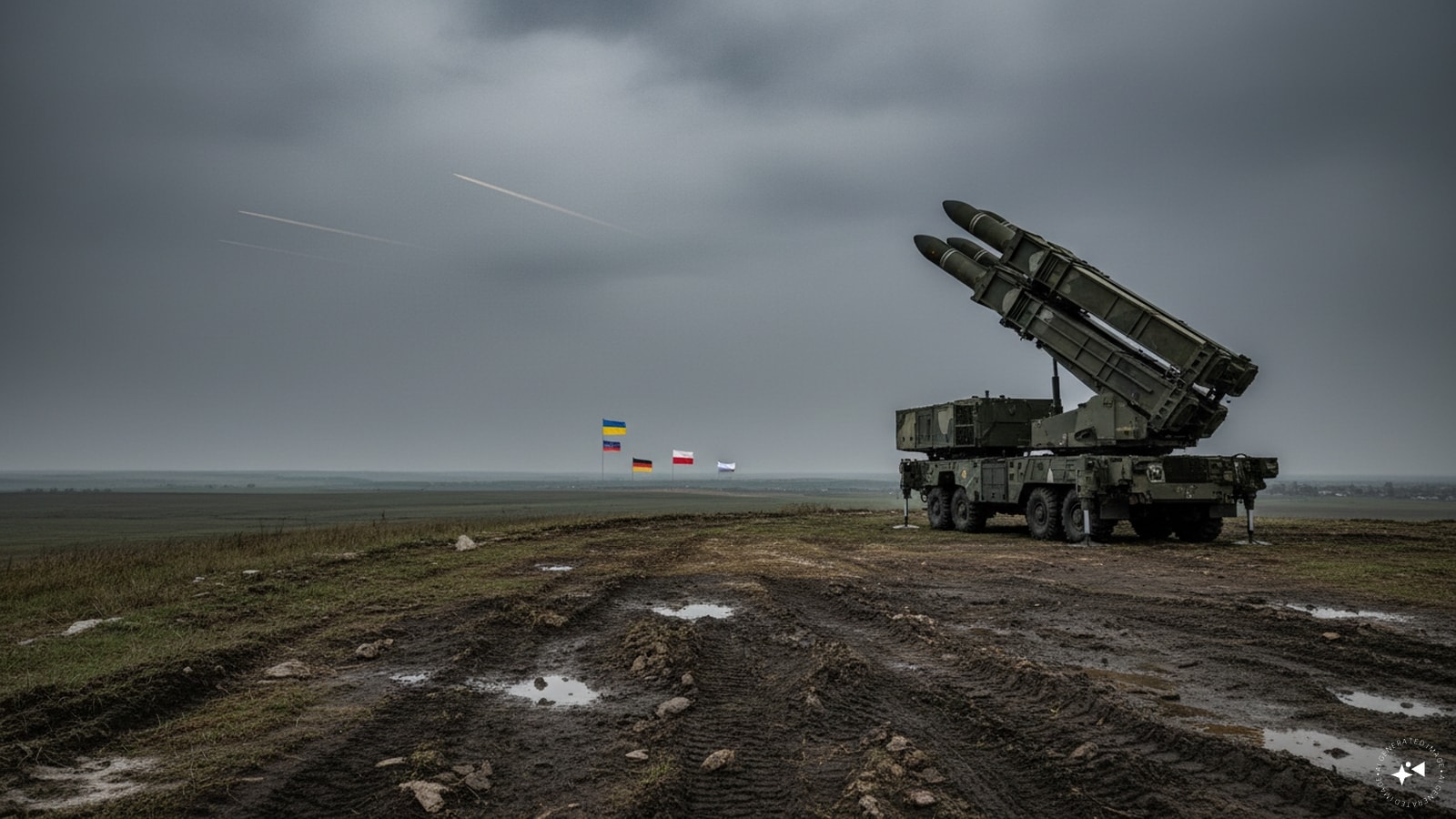
Air defense math is brutal. When a barrage of ballistic missiles drops out of the winter sky, you either have an interceptor ready to fire, or you absorb the strike. Ukraine's defense leadership just made a massive play to change that equation for good.
Defense Minister Yevhenii Khmara announced that Kyiv is actively contracting roughly 1,000 missiles for U.S.-designed Patriot air-defense systems. Funded largely through European Union loans and backed by western allies, the sheer scale of this order signals a long-term commitment to shielding Ukrainian skies. But there is a catch. Most of these interceptors will take years to roll off manufacturing lines.
The Timeline Gap Facing Kyiv
Buying future security doesn't stop immediate drone and missile attacks. Khmara laid out the harsh reality during a Ukraine Defense Contact Group meeting: while a 1,000-missile contract secures the future, the bulk of those shipments won't arrive anytime soon.
Ukraine needs interceptors right now. Winter is approaching, and Russia continues to ramp up aerial assaults targeting critical infrastructure and urban centers. Kyiv estimates it needs hundreds of Patriot interceptors just to survive the cold months ahead. Waiting years for factory output leaves a dangerous window open.
To bridge this gap, Ukraine has proposed a direct swap model with its Western partners.
The Stockpile Swap Proposal
The strategy is straightforward. Kyiv is asking allies to empty their own active military stockpiles today and hand those Patriot missiles over to Ukraine. In return, those same allies receive priority slots and performance-upgraded missiles from the massive new production contracts once they are built.
Germany already stepped up, announcing urgent deliveries of Patriot PAC-2 interceptors from national reserves. German Defense Minister Boris Pistorius made a public appeal to other European and global partners, urging them to prioritize Ukraine's survival over minor domestic inventory buffers.
Meanwhile, the United Kingdom injected an extra hundred million pounds into US-manufactured air defense gear and equipment, and the European Commission is channeling billions from support loans directly into the Patriot procurement pipeline.
Beyond the Patriot Problem
Air defense is only one piece of a vastly complicated puzzle. Khmara pointed out that while Russian forces are making virtually no strategic breakthroughs along the sprawling 1,200-kilometer front line, Moscow relies heavily on attrition and psychological terror.
At the same time, Ukraine's military faces severe internal bottlenecks. Khmara noted a staggering $27 billion funding shortfall specifically hampering domestic drone supplies. Interceptors stop ballistic missiles, but low-cost FPV and long-range strike drones are vital for asymmetric defense and counter-offensive pressure. Funding gaps in the drone sector threaten to blunt Kyiv's tactical advantages elsewhere on the battlefield.
Securing a 1,000-missile contract proves that industrial-scale planning is finally catching up to geopolitical necessity. Yet the immediate test remains unchanged. Allies must decide whether parting with their own ammunition today is worth preventing a humanitarian and tactical catastrophe tomorrow.