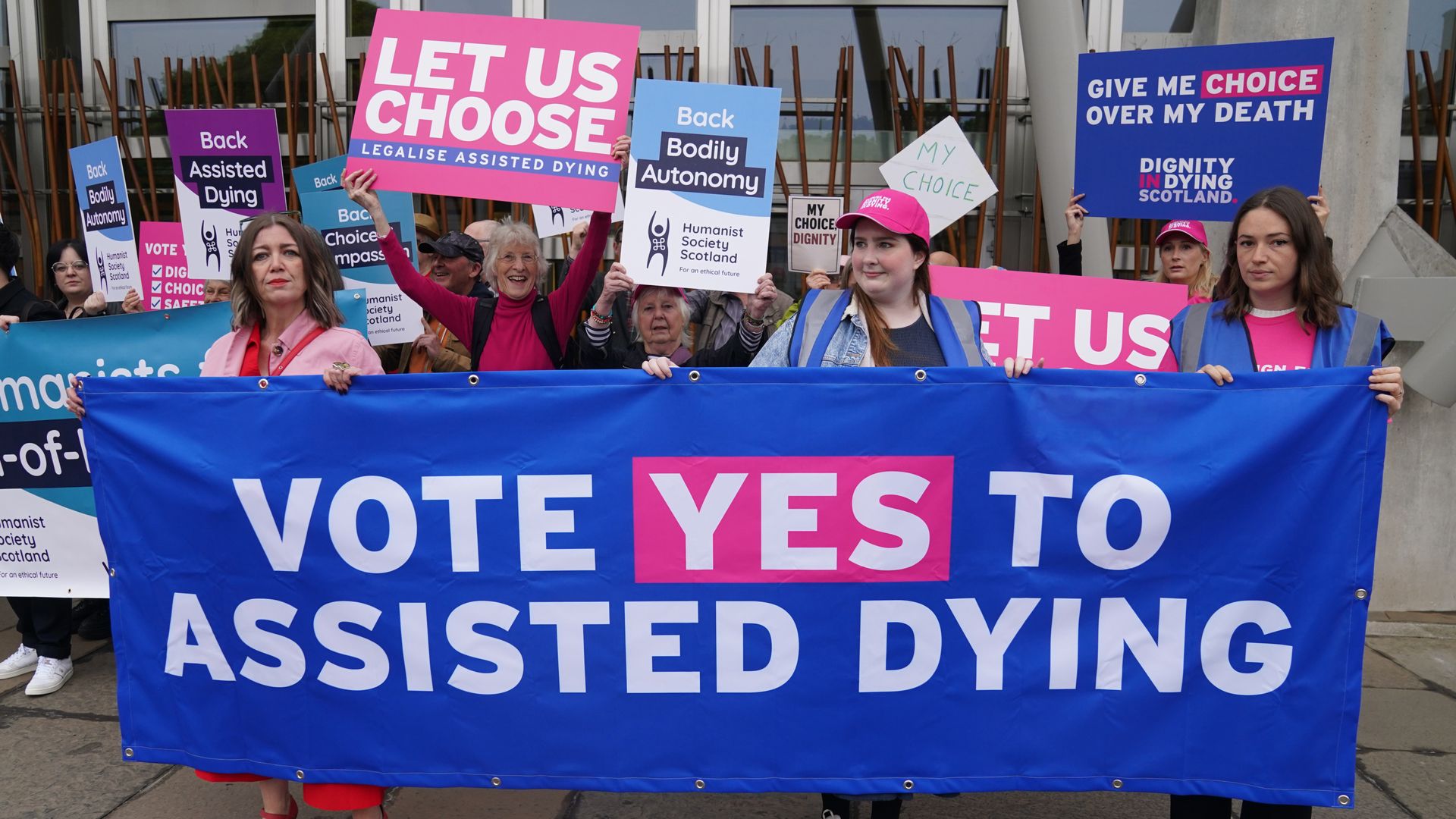
Will today be the day the UK finally stops being an outlier on assisted dying? If you've been following the news, you know the atmosphere is electric. Today, March 17, 2026, the Scottish Parliament sits for a definitive Stage 3 vote on Liam McArthur’s Assisted Dying for Terminally Ill Adults (Scotland) Bill. This isn't just another debate. It's the finish line.
If Holyrood says yes, Scotland becomes the first nation in the UK to legally permit terminally ill adults to end their own lives. But don't start thinking this is a done deal. The margins are razor-thin, and the pressure from both sides is enough to make any politician sweat.
The Scotland Vote What is actually on the table
Liam McArthur’s bill has been a long time coming. It's designed for adults who are terminally ill, have the mental capacity to make the choice, and have lived in Scotland for at least a year.
The process isn't exactly a "quick exit." It requires two independent doctors to sign off, ensuring the patient isn't being coerced. There’s a mandatory reflection period. The patient has to self-administer the life-ending medication. If they can’t physically do it themselves, the law doesn't apply. It's a "self-deliverance" model, not a "lethal injection by a doctor" model.
Critics are terrified of a "slippery slope." They argue that once you open this door, the definition of "terminally ill" starts to stretch. They point to Canada’s MAID (Medical Assistance in Dying) program as a cautionary tale where eligibility expanded to include mental health and poverty. Supporters, however, argue that the Scottish bill is far more restrictive and that forcing people to die in agony is the real "extreme" position.
Why Westminster is watching and failing
While Scotland is at the goalposts, the rest of the UK is stuck in the locker room. The Terminally Ill Adults (End of Life) Bill in Westminster, sponsored by Kim Leadbeater, is basically on life support.
Let’s be blunt. It was effectively killed by the House of Lords. Opponents in the upper house filed over 1,200 amendments. In the world of politics, that’s not "careful scrutiny"—it’s a filibuster. They talked it to death. Because the government refused to grant extra time, the bill is expected to fall when the current session ends in May.
It's a frustrating spectacle for the 75% of the British public who consistently tell pollsters they want the law to change. You have a House of Commons that voted in favor of the bill (330 to 275), only to have it choked out by unelected peers.
The Crown Dependencies are winning the race
If you want to see where the future is actually happening, look to the islands.
- Jersey passed its Assisted Dying Law just weeks ago on February 26, 2026. They went even further than the Scottish proposal, allowing people with neurodegenerative diseases like MND to apply if they have 12 months left to live.
- The Isle of Man passed its bill back in March 2025.
But there’s a catch. Neither of these can actually start helping patients yet because they’re waiting for Royal Assent. In a weird bit of constitutional drama, the UK Ministry of Justice has been sitting on the Isle of Man’s bill for nearly a year. They claim they’re checking for "compliance with human rights," but campaigners call it a "democratic crisis."
If Scotland passes its bill today, it’s a different ballgame. Scotland has a much more robust devolved power structure. If Holyrood passes it, Westminster trying to block it would trigger a constitutional war that would make the Gender Recognition Reform row look like a playground spat.
The Reality of the "Slippery Slope" Argument
You’ll hear the phrase "slippery slope" about a hundred times today. Is it real?
In Oregon, where assisted dying has been legal for over 25 years, the laws haven't significantly expanded. In contrast, places like Belgium and the Netherlands have seen wider criteria. The Scottish bill is modeled more on the Oregon style.
The real issue isn't just the law—it's the state of palliative care. Opponents correctly point out that many people "choose" death because they’re terrified of being a burden or because hospice care is underfunded. They aren't wrong. If we legalise assisted dying without fixing the broken social care system, we’re essentially offering a "budget" alternative to living with dignity.
What happens if the vote passes
If the "Yes" votes win today, don't expect clinics to open tomorrow.
- Royal Assent: The bill goes to the King. Given the delays with the Isle of Man, this could be a point of friction.
- The Implementation Phase: There’s a minimum 18-month lead time. Doctors need training. Pharmacists need protocols. The NHS needs a new department.
- The Legal Challenges: Expect the "Right to Life" groups to sue immediately. They’ll challenge the bill’s competence under the Scotland Act.
If you’re someone waiting for this choice, "today" is just the start of another long wait. But it's the most significant step taken on the British mainland in a generation.
How to track the results
The vote is expected late this afternoon. You can watch the proceedings live on Scottish Parliament TV. Look for the "Stage 3" debate on the Assisted Dying for Terminally Ill Adults (Scotland) Bill.
Pay attention to the "undecided" MSPs. About 20 politicians who supported the bill at Stage 1 have recently expressed "serious reservations." If only seven of them flip to a "No" vote, the bill fails.
Regardless of the outcome, the conversation has changed. We’re no longer talking about "if" assisted dying comes to the UK, but "who" will be the first to actually implement it. If you're in Scotland, your representatives are making a choice that will define the UK’s social landscape for the next 50 years. Keep your eyes on Holyrood.
Next Steps
If you want to see how your specific representative is planning to vote, check the "Motions and Amendments" section of the Scottish Parliament website under motion S6M-21005. You can also write to your MSP before the late afternoon session begins—though at this point, most have likely made up their minds.