For years, investors looked at the ride-sharing sector and saw a bottomless pit. It was a race to burn cash faster than competitors, subsidizing rides for users and inflating driver payouts just to buy market share. The math never added up. Wall Street analysts spent a decade questioning if the business model was fundamentally broken. Today, those doubts are being silenced. Uber is no longer just a platform moving people from one corner to another. It has quietly transformed into a high-margin logistics and mobility juggernaut. Buying the stock now is not about betting on a growth phase that relies on cheap venture capital. It is about acknowledging that the era of unsustainable growth has ended and an era of operational efficiency has begun.
The pivot from raw expansion to disciplined profitability marks the most significant shift in the company since its inception. Dara Khosrowshahi inherited a culture defined by recklessness and steered it toward the realities of a public entity accountable to shareholders. By trimming unnecessary business units and focusing on the core synergy between ride-hailing and food delivery, the company has achieved something critics previously labeled impossible. They have turned a profit without sacrificing their dominant market position. You might also find this connected article insightful: The Economics of The Four AM Workday And Why Schedule Intensity Fails at Scale.
The Margin Expansion Story
When analysts discuss why Uber should be in a portfolio, they often point to the sheer scale of the network. This is a network effect that competitors simply cannot replicate. Drivers flock to the platform because they know there is consistent demand. Riders stick with the app because it provides the fastest pickup times. This feedback loop creates a massive barrier to entry. New entrants might offer lower prices for a month, but they cannot afford to maintain that price point for a year.
The real story lies in the transition toward diverse revenue streams. Delivery has moved from a side project to a core pillar. During the peak of the pandemic, this segment kept the company afloat. Now, it serves as a massive cross-selling engine. A user opens the app to order dinner and ends up booking a ride to the airport the next morning. By integrating these services, the cost of acquiring a customer is amortized across multiple transactions. As discussed in recent reports by Bloomberg, the implications are significant.
Consider a hypothetical scenario where the company manages to increase its take rate by just one percent. This small adjustment ripples through the entire balance sheet, resulting in hundreds of millions in additional free cash flow. This is not speculative growth. This is the result of optimized algorithms, better driver matching, and a relentless focus on reducing friction in the payment process.
Beyond The Ride
Transportation is becoming a commoditized utility. To stay ahead, management is pushing into advertising. It sounds mundane, but it is brilliant. Every ride and every food order is an opportunity to put a digital advertisement in front of a captive audience. These ads carry near-zero marginal costs. As they scale this high-margin digital storefront, the company effectively changes its financial DNA.
They are also evolving their fleet management. Moving toward electric vehicles is not just about environmental posturing. It is about lowering the long-term operational costs for their driver base. As charging infrastructure grows and vehicle prices stabilize, the economics for drivers will improve. When drivers make more money with less overhead, they are more likely to stay on the platform. This reduces the company’s massive expenditure on driver recruitment and churn management.
Risks Remain In The Rearview
It would be naive to ignore the headwinds. Regulatory battles are a permanent feature of this landscape. Cities are constantly threatening to reclassify drivers as employees, a shift that would fundamentally alter the cost structure of every ride. Labor unions remain a potent force, and the tension between platform flexibility and worker security is unlikely to dissipate. Investors must recognize that these legal challenges are not bugs in the system; they are features of a business that is disrupting a century-old industry.
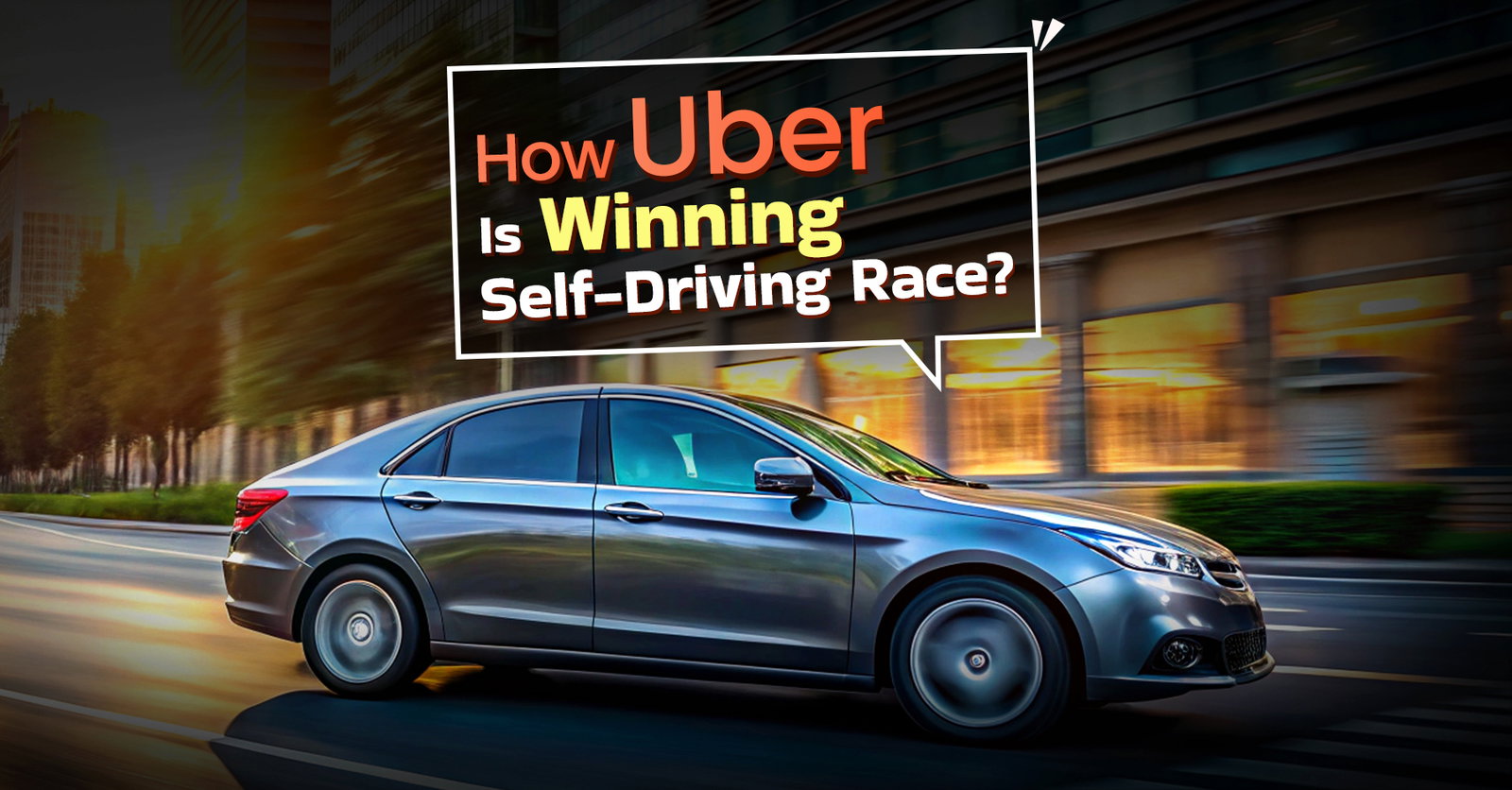
Then there is the threat of autonomous technology. For years, this was the promised land of infinite profitability. Many believed that removing the driver would solve all margin issues. The reality has proven far more complex. The capital investment required to build reliable, safe, autonomous systems is staggering. Uber recognized this and offloaded its internal research unit to focus on partnerships. This was a smart move. They will buy the technology from companies that specialize in it rather than betting the balance sheet on winning the self-driving race. By acting as a marketplace for robotaxis, they maintain their role as the primary interface for the consumer without taking on the massive R&D risk of a hardware manufacturer.
Scaling The Moat
The company is currently generating levels of cash that allow for aggressive share buybacks and potential dividends. This signals a level of maturity that is rare in the tech sector. They are moving away from the "growth at any cost" narrative that destroyed so many of their rivals.
If you look at the quarterly reports, you see a consistent pattern of improved EBITDA. They are managing costs in international markets while cementing their hold on the most lucrative urban hubs. This is a game of holding territory while squeezing inefficiencies out of every route.
The skepticism regarding the long-term viability of the gig economy persists, but the market has spoken. Uber is the last one standing because it learned how to make the unit economics work in the real world. They successfully navigated the transition from a private company addicted to funding to a public company driven by results.
The stock reflects a reality where the hard work of building the infrastructure is mostly complete. The next phase is about extracting value from that existing structure. Every additional ride taken on the platform today flows much more efficiently to the bottom line than it did five years ago.
Investors waiting for a perfect environment will be waiting forever. Regulations will shift, competitors will try new tactics, and labor disputes will flare up. These are the costs of doing business in a massive, regulated market. But the fundamental truth remains that the brand has achieved enough penetration to become a utility. Once a company becomes a utility, it moves from being a risky tech play to a foundational asset. The transition is nearly complete. The path toward consistent shareholder return is clear. All that remains is for management to execute on the foundation they have spent the last decade building.