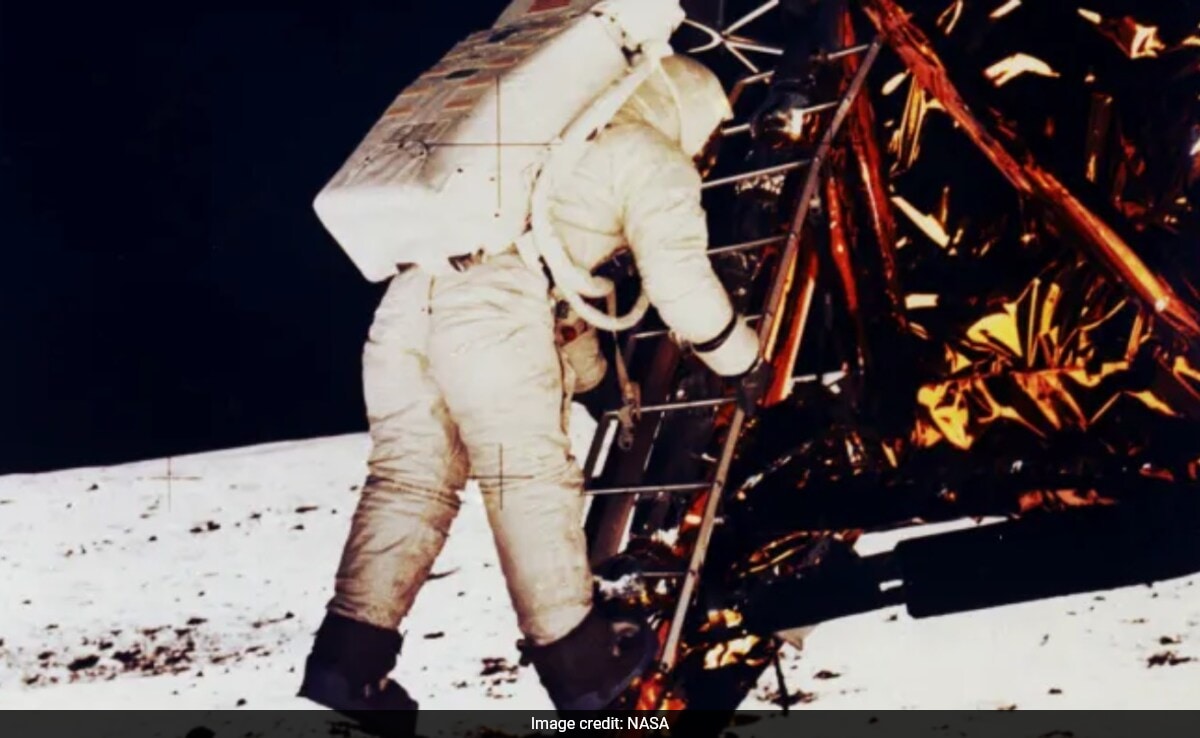
The dust is the first thing they all mention. It wasn't the majestic, shimmering powder of a Hollywood set. It was a jagged, microscopic nuisance that smelled like spent gunpowder. It clung to their white suits with a static stubbornness, hitching a ride back into the lunar module like a ghostly stowaway. When Neil Armstrong and Buzz Aldrin pressurized their tiny cabin after that first walk in 1969, the scent of the universe hit them—acrid, metallic, and hauntingly familiar.
Between July 1969 and December 1972, exactly twelve human beings stood on the surface of the Moon. They are often treated as a collective, a singular historical monument to human achievement. But to see them only as icons is to miss the terrifying, fragile reality of what they actually did. These men didn't just fly to a celestial body; they stepped out of the only life-support system we have ever known and trusted their lives to a thin layer of pressurized fabric and the cold calculations of 1960s mathematics.
Consider the sheer physical isolation. When the Apollo 11 crew drifted behind the far side of the Moon, they were the most solitary humans in existence. No radio waves could reach them. No light from Earth touched their windows. They were suspended in a void so absolute it defies our terrestrial vocabulary.
The Weight of a Footprint
Neil Armstrong and Buzz Aldrin were the pioneers, the ones who proved the math worked. They spent a mere two and a half hours outside. It was a tentative, careful dance. They had to learn how to move in one-sixth gravity, a sensation Aldrin described as being "clumsy and graceful at the same time." Every step was a risk. A simple tear in a glove from a sharp lunar rock would have meant a gruesome death in seconds.
But the mission wasn't just about survival. It was about the collection of 47 pounds of rock and soil—the "magnificent desolation" that held the secrets of our solar system’s birth. They left behind a plaque, some instruments, and footprints that, barring a direct meteor hit, will remain unchanged for a million years. There is no wind to blow them away. No rain to wash them clean.
The Explorers Who Stayed Longer
By the time Pete Conrad and Alan Bean arrived with Apollo 12, the vibe had shifted from survival to exploration. They landed in the Ocean of Storms, just a short walk from the Surveyor 3 probe that had landed years earlier. They were the first to prove we could land with pinpoint accuracy. They spent nearly eight hours outside, venturing further from the safety of the lander.
They also brought back a sense of humor. They tried to set up a timer for a secret photo together, but they couldn't find the camera in time. It was a human moment in a landscape that had seen nothing but silence for four billion years.
Then came Alan Shepard and Edgar Mitchell on Apollo 14. Shepard, the first American in space, was now an older man, a veteran who had fought his way back from an inner-ear disorder to get his chance at the Moon. He is remembered for hitting a golf ball into the lunar vacuum, but the real story was the grueling hike toward the rim of Cone Crater. They got lost. The undulating gray terrain offered no landmarks. They were panting, their heart rates spiking, squinting against the harsh, unfiltered sun. They turned back just yards from the rim, unaware of how close they had come.
The Lunar Hot Rods
The final three missions—Apollo 15, 16, and 17—changed the scale of the endeavor entirely. No longer were these men tethered to the lander by a short walk. They had the Lunar Roving Vehicle.
David Scott and James Irwin (Apollo 15) were the first to drive on the Moon. They explored the Hadley Rille, a massive gorge that looks like a dry riverbed from a distance. For the first time, humans were geological tourists, traveling miles across the surface. Scott dropped a feather and a hammer to prove Galileo right—in a vacuum, they hit the ground at the exact same moment. It was a poetic confirmation of the laws of physics in a place where those laws feel different.
John Young and Charles Duke (Apollo 16) took the rover into the lunar highlands. Young, a legendary pilot, pushed the vehicle to its limits, "grand prixing" across the craters. But behind the bravado was a deep sense of awe. Duke famously left a photo of his family on the lunar surface, encased in plastic. It is still there today, the colors likely bleached white by solar radiation, a silent testament to a father who had to leave his children behind to touch the sky.
The Last Man Out
The finale belonged to Eugene Cernan and Harrison "Jack" Schmitt of Apollo 17. Schmitt was a professional geologist, the first scientist to go. He didn't just collect rocks; he read the landscape like a book. They stayed on the surface for three days. They lived in that tiny cabin, caked in gray dust, breathing the metallic air, looking up at the "Blue Marble" of Earth hanging like a fragile ornament in the blackness.
When Cernan stepped back onto the ladder for the final time in December 1972, he knew he was closing a door. He didn't know it would stay closed for over fifty years.
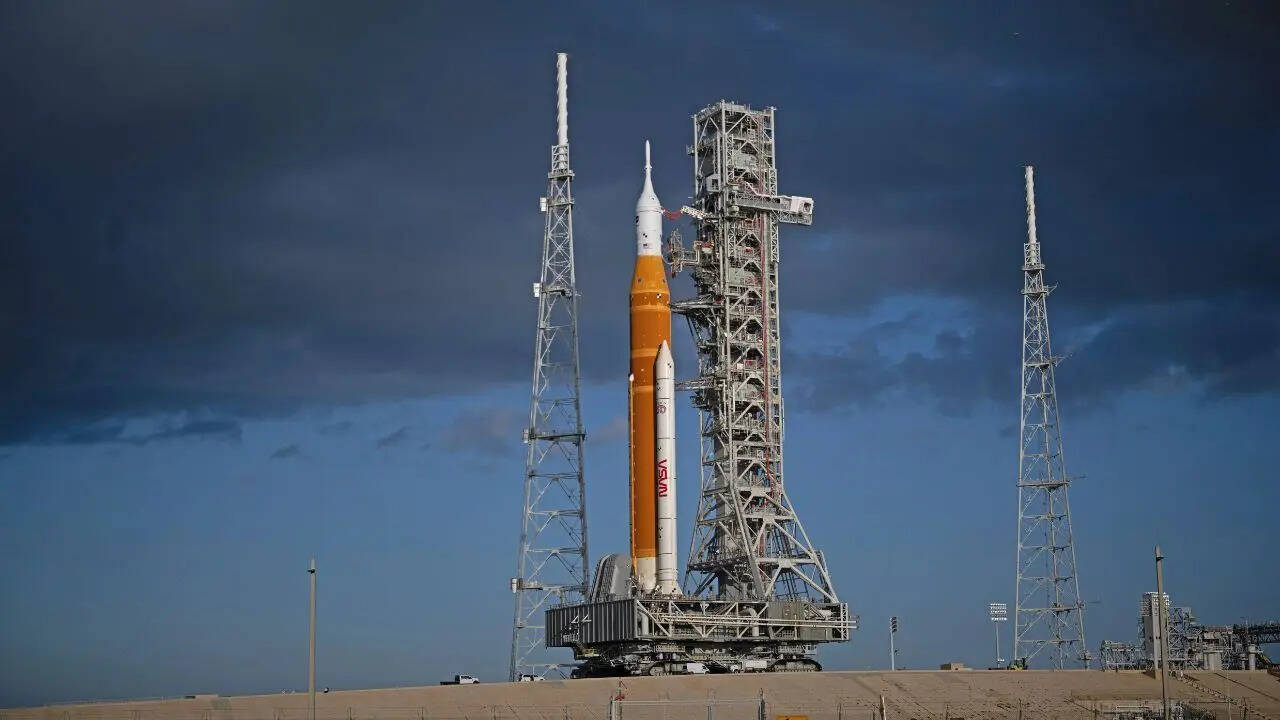
He spoke about peace and hope, but the silence that followed his departure was deafening. The program was canceled. The Saturn V rockets were relegated to museums. The twelve men who walked there became a dwindling fraternity. Today, only a handful remain.
The Invisible Toll
We talk about the glory, but we rarely talk about the psychological aftermath. Coming back from the Moon wasn't like coming home from a vacation. How do you go to the grocery store or pay your taxes after you've seen the entire planet Earth disappear behind the thumb of your outstretched hand?
Some turned to religion. Some turned to art. Some struggled with the mundane nature of terrestrial life. They had experienced the "Overview Effect"—a cognitive shift reported by astronauts who see the Earth from space. They saw a world without borders, a tiny oasis in a hostile desert.
The facts of the Apollo missions are etched in history: the thrust of the engines ($7.5$ million pounds of force), the distance traveled ($238,000$ miles), the weight of the samples. But the narrative is found in the heartbeat of the men inside the suits. It’s found in the moment Neil Armstrong realized he had only thirty seconds of fuel left before he had to land or abort. It’s found in the smell of the dust and the absolute, crushing stillness of the lunar night.
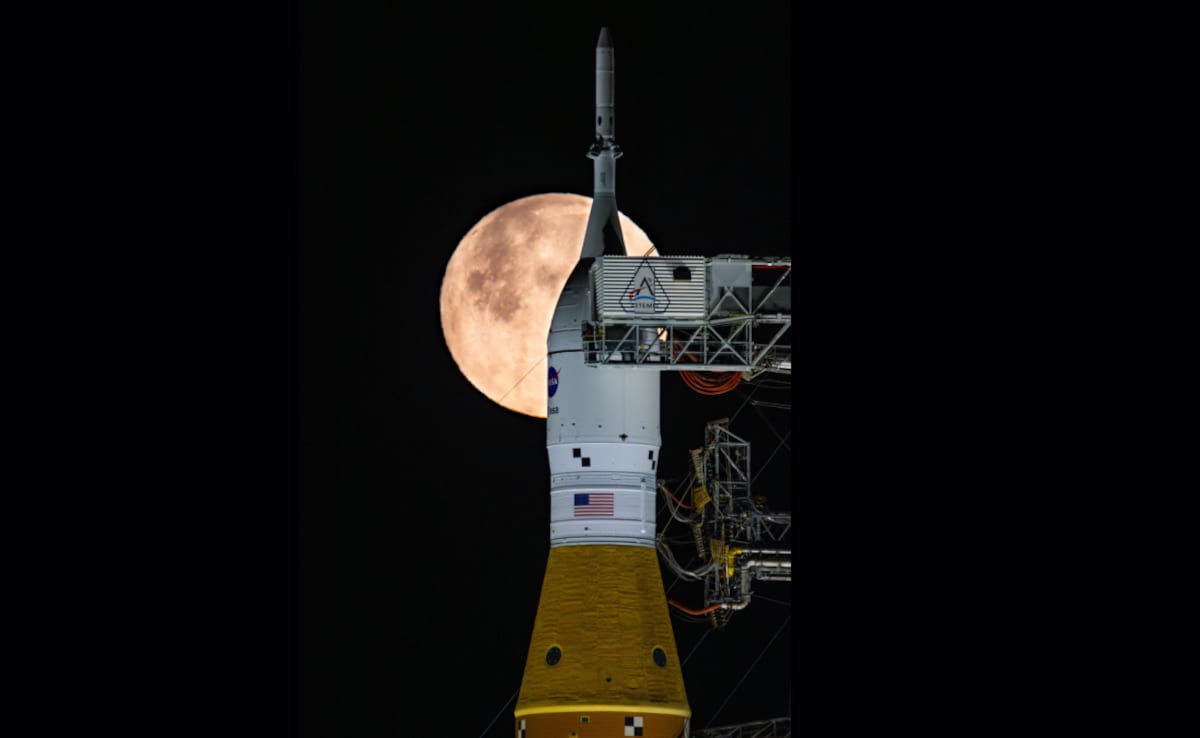
We haven't been back because it is hard. It is expensive. It is dangerous. But mostly, we haven't been back because we lost the collective will to be explorers. We became comfortable looking at screens instead of horizons.
Yet, those twelve sets of footprints are still there. They aren't just marks in the dust; they are a bridge. They represent the moment our species stopped being terrestrial and started being cosmic. They remind us that the limit of our reach is only defined by the limit of our courage.
The Moon is a graveyard of discarded machinery and a library of human ambition. It waits in the silence, a gray mirror reflecting our own potential back at us, patient and indifferent, until the day someone else steps into the dust to see if it still smells like gunpowder.
Would you like me to generate an image of what that family photo on the Moon might look like today?