Saltwater eats almost everything. It rusts iron into brittle flakes, warps seasoned timber, dissolves bone, and scrubs away ink until a ledger becomes blank vellum. Out there in the deep blue off the Turkish coast, where cold currents slide past rocky headlands and sunlight thins to a bruised violet, the ocean has spent millennia erasing human ambition.
Yet every once in a while, the sea leaves a receipt. For an alternative perspective, see: this related article.
When headlines report that the world's oldest shipwreck has been found off the Turkish coast, it is tempting to picture a tidy museum label: a date, a depth, a list of cargo, a neat row of dates in a textbook. Cold facts are safe. They keep history at arm's length. They let you nod, sip your morning coffee, and move on without feeling the salt stinging your eyes or the hull groaning under a crosswind.
I have spent enough time near coastal excavations and talking with marine archaeologists who haul silt from the dark to know that a wreck is never just wood and clay. It is an interrupted breath. Someone packed those jars. Someone watched the sky turn the color of a fresh plum and realized their steersman had misjudged a shoal. Someone held onto a rail while water flooded a hold that was supposed to carry wealth home. Similar coverage on this matter has been published by USA Today.
To make sense of what an ancient wreck off Turkey actually means—and why historians argue so fiercely over what counts as the "oldest"—we have to strip away the dust and look at what was really riding on those waves.
The Sea Does Not Care About Glory
History books love emperors. They love bronze statues, stone inscriptions, and kings bragging about how many cities they burned before breakfast. Those monuments were built to survive. A king carves his name into granite because he wants you to remember his strength.
A merchant ship carries no such vanity. A wooden vessel built thousands of years ago along the Anatolian or Levantine shores was made to earn its keep. Cedar from Lebanon, oak from inland ridges, pine pitch smeared into seams to keep the brine out—every plank was a calculated risk. Timber is expensive. Labor is exhausting. Losing a hull off the rugged southern or western coast of Turkey meant losing months of work, entire fortunes, and the lives of men whose names never made it onto a single tablet.
Think of the Turkish coastline itself. Stretching from the Aegean islands past the sweeping curve of the Mediterranean toward the Levant, it has always been a crossroads where trade routes collide. If you wanted copper from Cyprus, tin for bronze, cedar logs, glass ingots, olive oil, or wine, you either marched through mountain passes swarming with bandits and rough terrain, or you trusted the sea.
Trusting the sea was a gamble with terrible odds. Sudden squalls whip down from steep mountains without warning. Submerged reefs wait just beneath clear water. Currents pull vessels sideways when the wind dies.
Let me offer a hypothetical scenario to ground that risk in something you can picture. Suppose we follow a fictitious crew—let's call the captain Tariq and his young deckhand Kenan—aboard a wooden merchantman working the eastern Mediterranean trade lanes in the late Bronze Age. They are not heroes from an epic poem. They are working men trying to deliver a hold packed with amphorae, raw ingots, and trade goods before autumn gales close the safer sailing windows. Kenan's hands are cracked from hemp rope and salt. Tariq's eyes are red from squinting at horizons that offer no streetlights, no radar, no weather forecast. When the wind shifts and drives them toward rocks off the Turkish coast, there is no dramatic speech. There is only the sickening crunch of cedar splitting against stone, the rush of freezing water, and the sudden silence after the shouting stops.
For three millennia, that silence holds.
Why "Oldest" Is Never a Simple Number
Whenever a headline declares a discovery to be the world's oldest shipwreck, my first instinct—earned through years of reading archaeological reports and watching excitement collide with caution—is to ask: how are we measuring age, and what part of the ship actually survived?
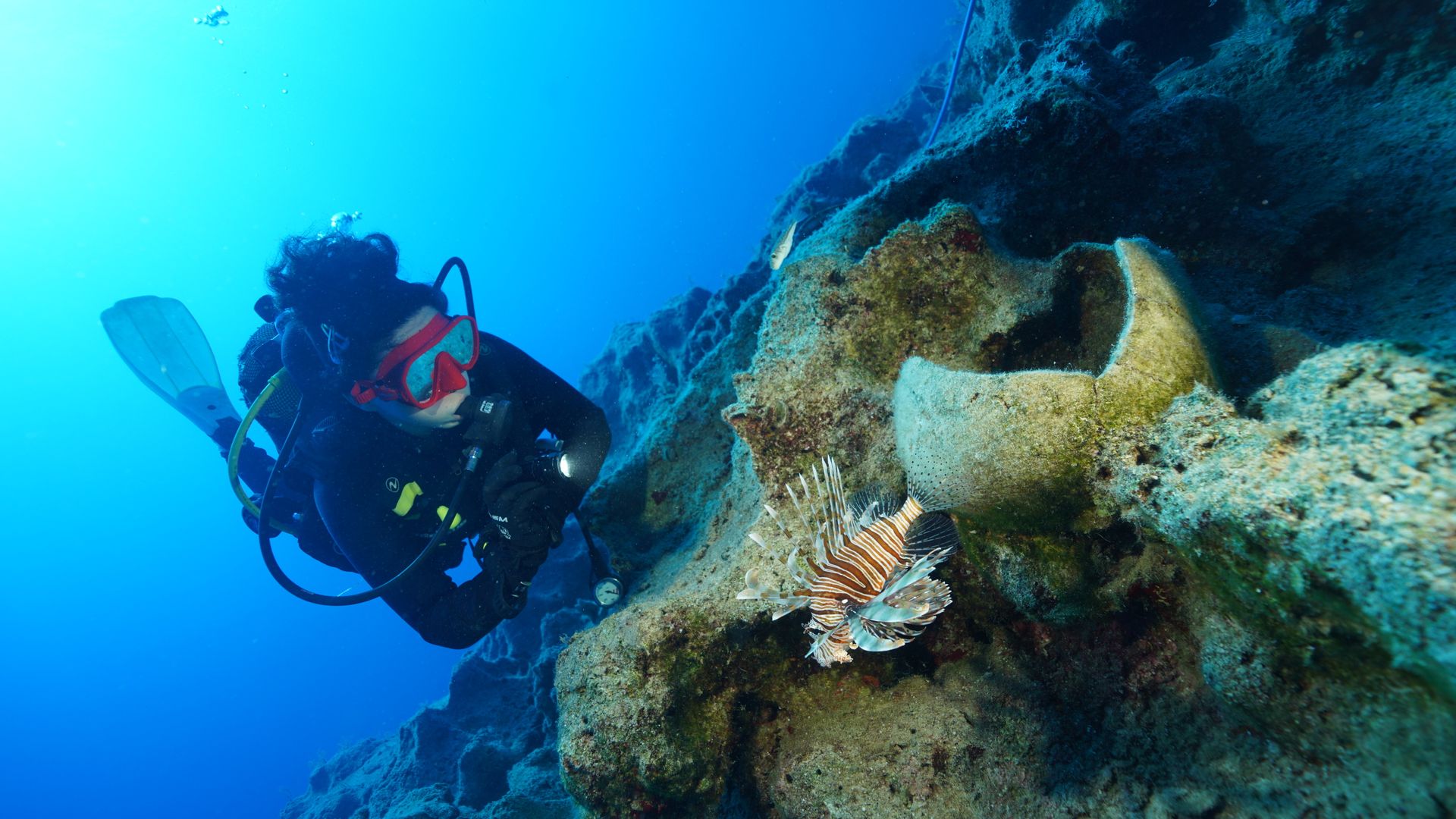
Underwater archaeology is humbling because wood rarely lasts on an open seabed. Shipworms and marine borers chew through exposed timber like termites in dry pine. Unless a hull sinks fast into deep, cold, low-oxygen water or gets buried quickly under thick layers of sand and mud, the vessel itself often vanishes, leaving behind only a "ghost" or a scatter of heavy cargo on the seafloor.
Consider what happens next when divers spot a mound of pottery on the bottom:
- A cluster of amphorae might mark a wreck even when not a single rib of the keel remains intact.
- A well-preserved wooden hull might survive in deep or anaerobic conditions, giving researchers rare clues about joinery, mortise-and-tenon joints, or ancient rigging.
- Pottery styles, organic remains like olive pits or rope fibers, and radiocarbon dating help narrow down when the ship went down, though exact dates can shift as new lab methods refine old estimates.
That is why claims about the "world's oldest" wreck carry tension. One discovery might be the oldest known sea-going vessel in a specific region or era, while another might be the deepest, the best-preserved, or the oldest confirmed wreck of its type. Scholars argue over definitions because a single misread date or misidentified cargo can rewrite how early humans navigated open water.
Let's use a metaphor here. Dating an ancient wreck is a bit like walking into a room after a long storm and trying to reconstruct the hour the roof caved in. You see a broken clock on the floor, wet newspapers near the door, and overturned chairs. Each clue helps, yet none of them tells the whole story on its own until you cross-check the evidence.
I will admit something that surprises people who expect archaeologists to have every answer locked in a vault: uncertainty is part of the job. Even seasoned specialists sometimes look at sonar scans, sediment cores, and ceramic fragments and say, we don't know yet—let's test it again. That honesty is what separates real science from clickbait.
The Invisible Stakes Beneath the Silt
Why should anyone care whether a wooden boat sank off Turkey three thousand years ago or three thousand and five hundred?
Because trade is how strangers learn to depend on one another.
Long before global shipping containers and instant wire transfers, ships carrying cargo along the Turkish coast were stitching distant cultures together. A jar shaped in one harbor might hold resin from somewhere else, packed beside goods traded from a third port. When a wreck is studied carefully off Turkey's shores, it reveals networks of exchange that diplomatic treaties never bothered to write down. Treaties record what kings claimed. Shipwrecks record what ordinary people actually moved, bought, traded, and needed to survive.
There is also a quieter stake at play: looters.
Ancient wrecks do not sit untouched in peaceful isolation once locals or treasure hunters suspect they are there. Heavy amphorae and metal objects attract illegal salvagers who use hooks, lift bags, and pry bars without caring about context. Pull a jar off a seabed without recording its exact position, depth, and relationship to surrounding debris, and you destroy half its story. You turn a historical witness into a curio on a shelf.
Protecting a site off the Turkish coast means racing against both nature and greed. Every storm shifts sand. Every unauthorized dive risks smashing fragile wood or scattering tiny clues like beads, seeds, or weights that tell historians how a crew weighed cargo and navigated by landmarks.
What Divers Really Find When the Silt Clears
People often imagine underwater excavation as glamorous—sweeping beams of light, dramatic rescues, chests spilling gold. In reality, it is slow, cold, methodical work. A diver might spend weeks mapping a grid with string and measuring tapes, fanning away fine sediment by hand so fragile wood isn't shredded by a heavy jet of water.
When a wreck off Turkey yields its secrets, the breakthroughs come in small, startling details:
- The way planks were fastened together tells us how shipwrights solved structural stress without modern steel bolts.
- Residue inside storage vessels can hint at oils, wines, resins, or foods that fueled long voyages.
- The sheer presence of a wreck in deep or exposed waters proves mariners were bolder—and more skilled—than older theories gave them credit for.
Think about what that does to our picture of the ancient world. For a long time, it was easy to assume early sailors hugged the shoreline like nervous cats, barely daring to lose sight of a familiar headland. Every ancient wreck found in deeper or trickier waters pushes back against that assumption. Humans were testing limits, reading winds, memorizing coastal silhouettes, and crossing open stretches of water long before modern instruments existed.
Look again at what lies beneath those waves. It is not a monument to victory. It is a record of effort, calculation, and vulnerability.
Someday, another storm will roll across the Turkish coast, and the sea will keep doing what it has always done: pulling at the shore, churning the shallows, guarding whatever secrets still sleep under the sand. Out there in the dark, a quiet piece of human history waits for patience rather than noise—a wooden ghost still holding fast to the memory of a journey that never made it home.