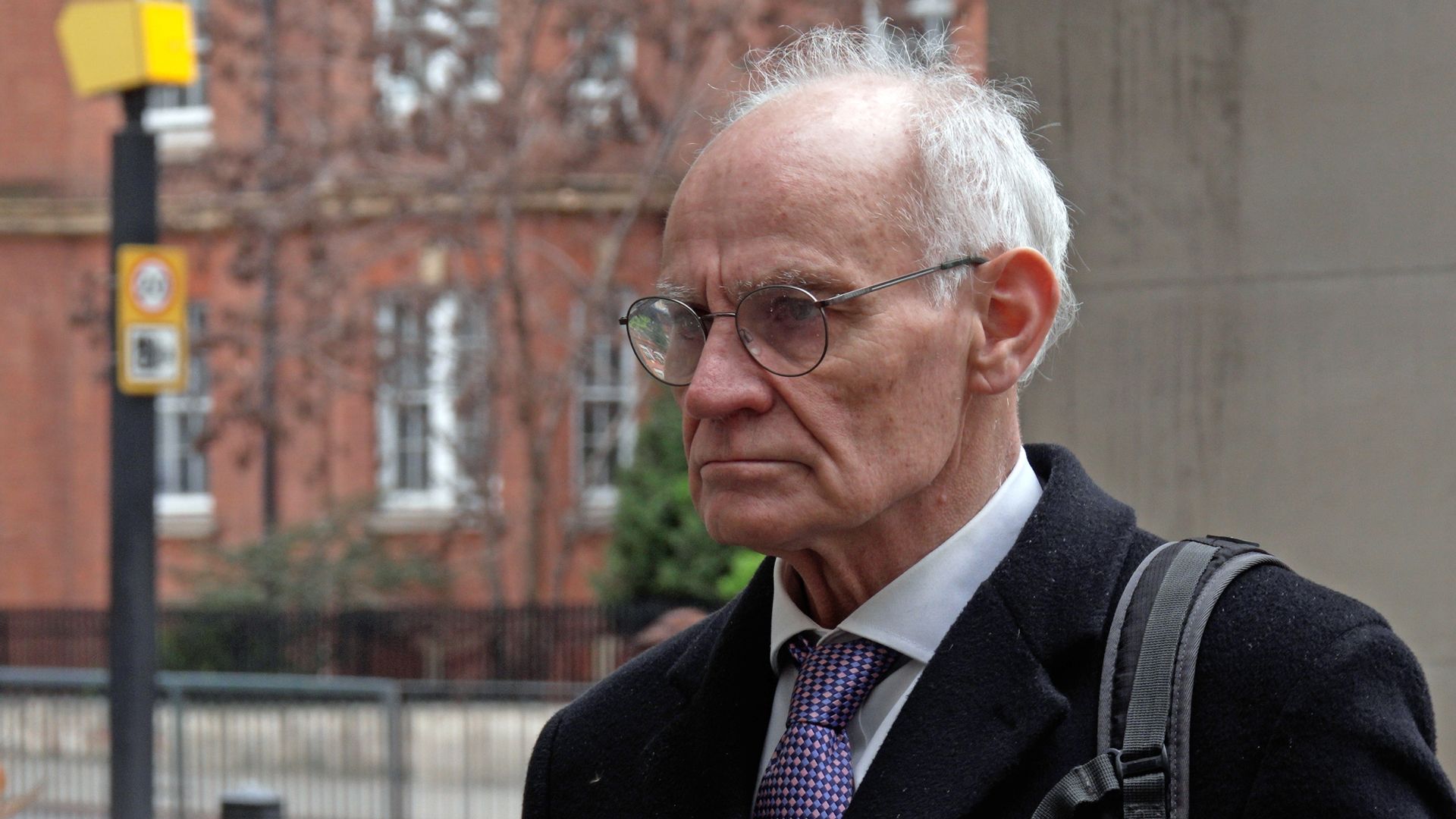
Crispin Blunt isn't a name that usually sets the internet on fire, but his recent admissions have turned Westminster upside down. We’re talking about a former Conservative justice minister who openly admitted that his personal experiences with chemsex parties actually helped shape his approach to government drug policy. It’s the kind of story that sounds like a tabloid fever dream, yet it raises massive questions about how laws are actually made in the UK.
You might think drug policy is strictly the result of dry academic papers and police statistics. It isn't. Sometimes, it’s influenced by a minister’s Saturday night. Blunt, who served as a justice minister under David Cameron, has been remarkably candid about his participation in the chemsex scene. He argued that his firsthand knowledge of these environments provided him with a perspective that his "ivory tower" colleagues simply lacked.
This isn’t just about a politician behaving badly. It’s about the massive gap between the people who write the laws and the reality of the communities those laws affect. Whether you find his honesty refreshing or his actions "unbecoming," the impact on the national conversation regarding harm reduction is undeniable.
Why Personal Experience Changed the Policy Conversation
For years, the UK government's stance on drugs has been largely "just say no" with a side of heavy policing. Blunt’s entry into the conversation shifted that. He didn't just look at a spreadsheet; he saw the risks of GHB, crystal meth, and mephedrone up close. He saw the culture.
When he was in office, he pushed for a more nuanced understanding of drug use. He wasn't necessarily calling for a free-for-all. He was arguing that if the government doesn't understand why people use these substances, they can't possibly regulate them effectively. This is where the friction lies. Many in his own party were horrified. They saw it as a betrayal of Conservative values. Blunt saw it as a necessary injection of reality into a stagnant debate.
He specifically pointed to the Psychoactive Substances Act. During the debates surrounding that legislation, Blunt was one of the few voices highlighting how "blanket bans" often drive usage underground, making it more dangerous. He knew that when you ban a substance without providing a pathway for health support, you don't stop the party. You just stop the paramedics from being able to help when things go wrong.
The Reality of Chemsex in the UK Today
Chemsex isn't just a niche subculture anymore. It’s a public health reality that affects thousands, particularly within the LGBTQ+ community. It involves using specific drugs—often "chems" like GBL/GHB, 4-MMC (mephedrone), and crystal meth—to enhance sexual experiences for long periods.
The risks are high. We’re talking about addiction, overdose, and the transmission of STIs like HIV and Hepatitis C. But the standard "war on drugs" approach hasn't worked here. Blunt’s argument was that by acknowledging the reality of these parties, the government could focus on harm reduction rather than just punishment.
His stance forced the Home Office to at least acknowledge that "vulnerable users" exist within these scenes. It moved the needle, however slightly, toward a health-led approach. You can’t ignore the fact that since his time in office, there’s been a slow, grinding shift toward testing kits and outreach programs in clubs, even if the top-level rhetoric remains tough on crime.
The Backlash and the Double Standard
Let’s be real. If a backbench Labour MP had made these claims ten years ago, their career would have ended in an afternoon. Blunt survived as long as he did because of his status and, arguably, the protection of the "old boys' club" in Westminster.
Critics argue that "informing policy" is just a convenient excuse for recreational drug use that would land a regular citizen in a jail cell. They aren't entirely wrong. There is a glaring hypocrisy when a man who oversaw the prison system admits to breaking the very laws that keep people in those prisons.
But there’s another side. If we want better laws, don’t we want people who actually understand the world? We don't want a health minister who has never stepped foot in a hospital. So, should we want a drug policy minister who has never seen the reality of drug use? It's a messy, uncomfortable question.
How Policy Actually Gets Made Behind Closed Doors
Most people think policy happens in the House of Commons during televised debates. That’s the theater. The real work happens in private meetings, over dinners, and, apparently, at parties.
Blunt’s admission suggests that informal networks and personal "research" carry more weight than many would like to admit. When he sat down with Home Office officials, he wasn't just quoting the Advisory Council on the Misuse of Drugs (ACMD). He was telling them what he’d seen in South London flats.
This creates a weird "insider" advantage. It means policy is shaped by the specific experiences of whoever happens to be in the room. If the person in the room is an ex-minister at a chemsex party, that’s what gets heard. If it’s a grieving parent who lost a child to an overdose, that’s another voice. The problem is that these voices are rarely balanced.
The Future of Harm Reduction Post Blunt
Crispin Blunt eventually lost the Tory whip following separate allegations, and his time as a policy influencer is essentially over. But the door he kicked open remains ajar.
The conversation has moved on from whether ministers should party to how the UK handles the growing "chemsex" crisis. Organizations like 56 Dean Street in London have become world leaders in handling the specific health needs of this community. They do the work that the government often refuses to fund properly.
We’re seeing a rise in "drug checking" services at festivals and in cities like Bristol. These services allow people to see what’s actually in their gear without fear of arrest. This is a direct descendant of the harm-reduction philosophy Blunt championed. It’s a pragmatic, "eyes wide open" approach that prioritizes staying alive over making a moral point.
What You Need to Know if You're Following This Debate
If you're trying to make sense of the UK’s weird, contradictory drug laws, keep these things in mind.
- The Law vs. The Practice: Possession of Class A drugs is still a serious crime, but in many parts of the UK, police are moving toward "diversion schemes" where users are sent to health services instead of court.
- The ACMD’s Role: The government often ignores its own scientists. The Advisory Council on the Misuse of Drugs frequently recommends decriminalization or lower scheduling for certain drugs, only to be shut down by the Home Secretary for "looking soft."
- The Economic Cost: Drug-related deaths are at record highs in the UK. The current system is expensive and, by almost any metric of public health, it is failing.
Moving Toward a More Honest Policy
We need to stop pretending that politicians are Victorian moralists who never see the "darker" side of life. They do. And frankly, we should prefer they admit it if it leads to laws that actually work.
The "Blunt Method" of using personal experience to inform policy is messy and fraught with ethical landmines. But it’s better than the alternative: laws written by people who are willfully ignorant of the world they’re trying to regulate.
If you want to stay informed on how these policies are changing, watch the local level. Watch how councils in Scotland are pushing for safe consumption rooms despite Westminster's objections. Watch how the police in the West Midlands are treating addiction as a medical issue. That’s where the real change is happening. The era of the "tough on drugs" soundbite is dying, even if it’s taking its sweet time to go.
Don't wait for a minister to tell you what's safe or what's happening in your community. Look at the data from independent groups like Release or the Transform Drug Policy Foundation. They provide the context that government press releases usually leave out. Whether or not you agree with Blunt's lifestyle, his admission proves one thing: the current system is a facade, and the people running it know it better than anyone.