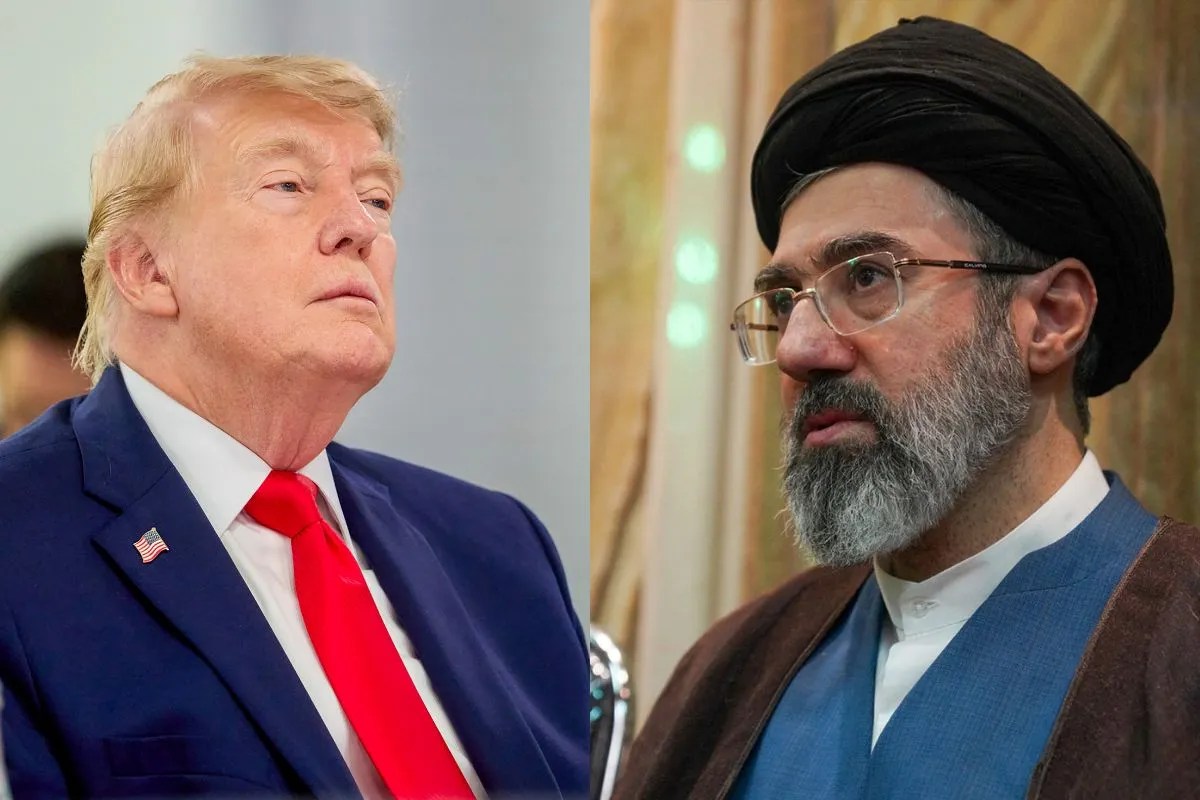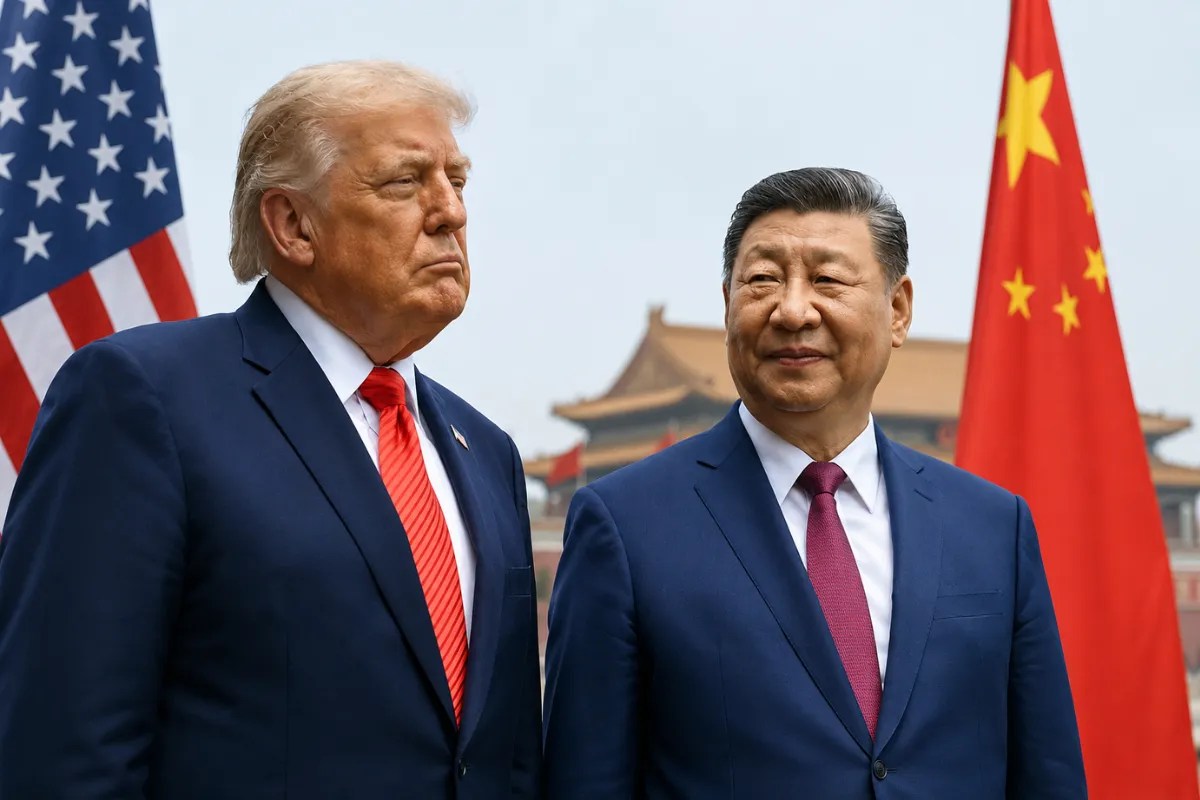
History doesn't just rhyme; it gets completely rewritten when two superpowers need a breather.
The mainstream press ate up the headline about Donald Trump and Xi Jinping reminiscing over World War II alliance ties during their latest diplomatic tango, while tossing around grand pronouncements on artificial intelligence governance. Everyone bought into the lazy narrative that shared wartime nostalgia or sudden tech altruism will somehow defuse the most volatile bilateral standoff of our lifetime.
It is a fairy tale for the naive.
Beneath the polite soundbites about fighting fascism eight decades ago and mutual cooperation on machine intelligence lies a ruthless, high-stakes game of economic attrition. While commentators obsess over symbolic handshakes, the actual architecture of global power is being re-engineered behind closed doors. You are being distracted by the shiny object of diplomatic theater while the underlying rules of engagement shift permanently.
Let us dismantle the comfortable fiction.
The Myth of Shared Nostalgia
Invoke World War II all you want, but the geopolitical reality of 1945 bears zero resemblance to the reality we inhabit today. Back then, common enemies forged temporary survival pacts. Today, the United States and China are locked in an inescapable structural rivalry where interdependence has turned into a weapon.
When leaders reference a bygone era of brotherhood, they are signaling a temporary truce to calm nervous markets and manage domestic political optics. Trump plays the dealmaker who can charm any adversary, while Beijing projects a posture of calm, measured statesmanship. It is tactical posturing, nothing more. The moment the cameras stop rolling, the zero-sum fight over supply chains, semiconductor lithography, and sovereign data resumes with absolute ruthlessness.
Pretending that historical sentiment can override structural competition is dangerous. Economies the size of America and China do not pivot on warm memories of the Flying Tigers. They pivot on raw leverage.
The Artificial Intelligence Mirage
Then comes the grand theater surrounding artificial intelligence. Headlines trumpet that both nations are suddenly aligned on AI guardrails, as if Silicon Valley and Shenzhen are about to hold hands and sing camp songs about algorithmic safety.
This is where the analysis usually falls apart.
Governments do not regulate technology to protect you; they regulate it to secure national dominance. When superpowers talk about artificial intelligence cooperation, they are actually negotiating the boundaries of the digital cold war. Neither Washington nor Beijing has any intention of slowing down its computational race. To pause or genuinely cede ground in generative models, quantum computing, or autonomous systems is national suicide in the eyes of defense strategists.
Every proposed treaty, safety summit, or ethical guideline is an attempt to lock in asymmetric advantages. If the United States pushes for strict oversight, it is often to protect an incumbent lead in foundational model training. If China maneuvers around international frameworks, it is to maximize the deployment speed of state-backed neural architectures.
Stop viewing these announcements through the lens of global harmony. View them as corporate espionage and strategic positioning executed by nation-states.
What the PAA Questions Get Wrong
People keep asking search engines whether a US-China tech war is inevitable or if diplomacy can save global trade. The premise of the question is already flawed. It assumes the two choices are either total conflict or harmonious cooperation.
That is a false binary.
We are living through a splintered reality. Globalization as we knew it—defined by frictionless supply chains and open technology sharing—is dead. What replaced it is a fractured digital archipelago. You have western-aligned data stacks operating under one set of security protocols, and eastern-aligned networks operating under another. The grey zone in between—the battleground markets of Southeast Asia, Latin America, and the Middle East—will decide which ecosystem wins the century.
Companies trying to build cross-border strategies while waiting for geopolitics to normalize are marching blindly into a woodchipper. The only winning move is recognizing that decoupling is permanent, technological sovereignty is non-negotiable, and every diplomatic smile is just buying time for the next supply chain fortification.
Ignore the photo ops. Watch the silicon flow.