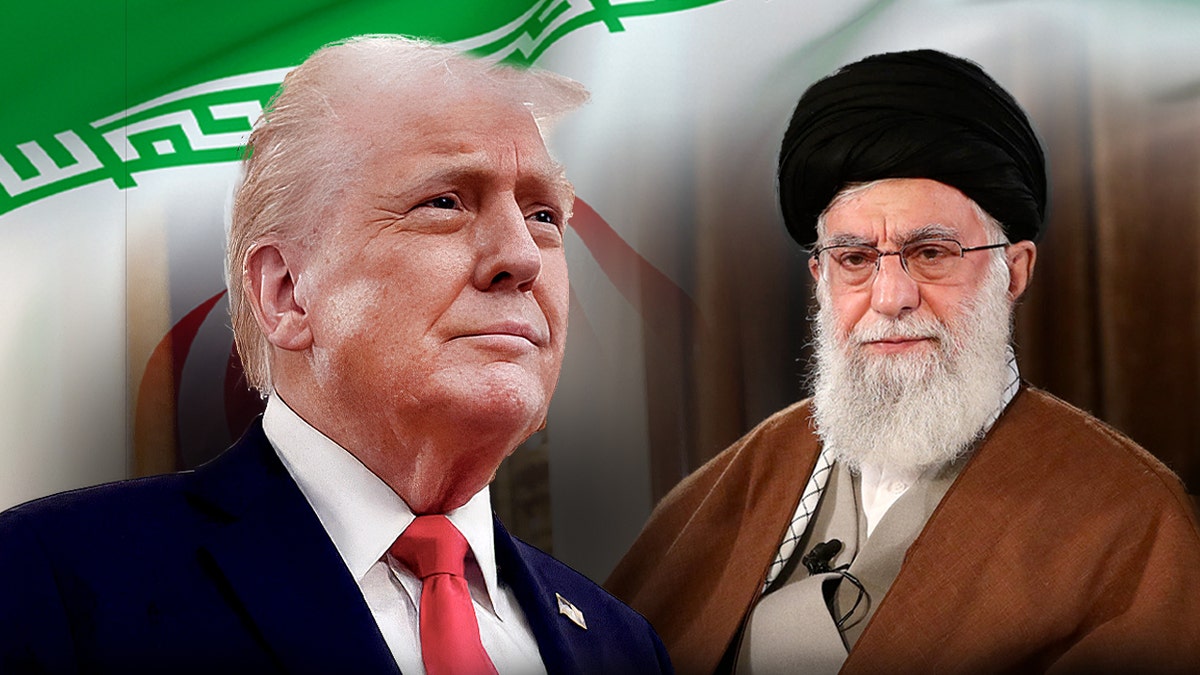
The rumors of a massive market surge are getting louder. President Donald Trump just declared that the military conflict in Iran is "very close" to being over. If you've been watching your retirement account bleed over the last five weeks, this sounds like the ultimate lifeline. He’s betting on a "boom" that could dwarf the pre-war highs.
But let’s be real. We’ve seen this movie before. Markets hate uncertainty more than they hate bad news. Right now, the S&P 500 is hovering just 11 points shy of a new all-time high. It’s a classic V-shaped recovery, fueled by the hope that the missiles will stop flying and the tankers will start moving through the Strait of Hormuz again. For a closer look into this area, we recommend: this related article.
If you’re wondering whether to jump back in or wait for the dust to settle, you need to look past the headlines.
The Trump Peace Prediction
Trump’s recent interview on Fox Business wasn't just typical optimism. He’s claiming the Iranian leadership wants to make a deal "very badly." This follows a series of U.S. and Israeli strikes that targeted Iran’s nuclear facilities and missile sites back in February. To get more context on the matter, comprehensive analysis is available at MarketWatch.
The strategy here is clear: hit hard, then offer an exit. Trump says the military operations could wrap up within two or three weeks. Vice President JD Vance even hinted that "a lot of progress" was made during weekend talks in Pakistan.
However, there’s a massive gap between a ceasefire and a "boom." While Trump is talking about peace, he’s also maintaining a naval blockade on Iranian ports. You can’t exactly have a global trade explosion while one of the world’s biggest energy producers is under a total maritime chokehold.
Why the Stock Market Is Addicted to the Dip
Investors are currently treating this war like a clearance sale. Since the March 30 low, the market-weighted S&P 500 has surged nearly 10%. If you look at the "MAGS" ETF—which tracks the big tech giants—the jump is even crazier at 14.8%.
History actually backs up this "buy the dip" mentality. Since 1939, the average market drop during major geopolitical shocks is only about 4%. Usually, stocks fall for about three weeks and then spend the next three weeks clawing it all back. We’re seeing that exact pattern play out right now.
But this time, there’s a catch. Inflation is lurking in the background. The March Producer Price Index (PPI) hit 4.0% year-on-year. That’s the highest in over three years. Why? Because energy prices surged 11.2% due to the fighting. If gas prices don't drop fast, that "boom" might feel more like a slow burn.
The Strait of Hormuz Bottleneck
If you want to know when the market will truly take off, stop looking at the White House and start looking at the water. The Strait of Hormuz is the world's most important oil artery. Right now, it’s effectively closed to most commercial shipping.
Iran threatened to shut it down completely, and while some of their ships are still moving, the rest of the world is stuck. This has kept Brent crude hovering around $100 a barrel.
- The Bull Case: Trump successfully negotiates the reopening of the Strait, oil prices crash back to $70, and consumer spending explodes.
- The Bear Case: The ceasefire fails, the blockade continues, and we enter a prolonged period of "stagflation" where prices stay high while growth stalls.
How to Position Your Portfolio Right Now
Don't just chase the green candles. If the war ends in the next two weeks, the "relief rally" will likely be led by sectors that got crushed in February.
- Airlines and Travel: Companies like Delta and United have been hammered by high fuel costs and flight diversions. A drop in oil is a direct injection of cash into their bottom lines.
- Tech Giants: The market is already piling back into AI and big tech. They’ve shown they can grow even when the world is on fire.
- Energy Hedging: If you’re heavily invested in oil, be careful. A peace deal could send crude prices south in a hurry. You might want to lock in some profits now.
Honestly, the biggest risk isn't the war itself—it's the uncertainty of what comes next. Trump’s "America First" approach means he’s fine with leaving the region quickly, but he’s also told allies they might have to "fend for themselves" in the Strait. That kind of power vacuum could lead to more volatility down the road.
Watch the Thursday peace talks in Pakistan. If they break down, that 11-point gap to a new all-time high might start looking like a mountain again. If they succeed, get ready for the ride.
Check your exposure to energy stocks today. If you're over-leveraged in oil, a sudden peace deal will wipe out those gains in a single trading session. Shift some of that weight back into consumer staples or tech to balance out the risk.