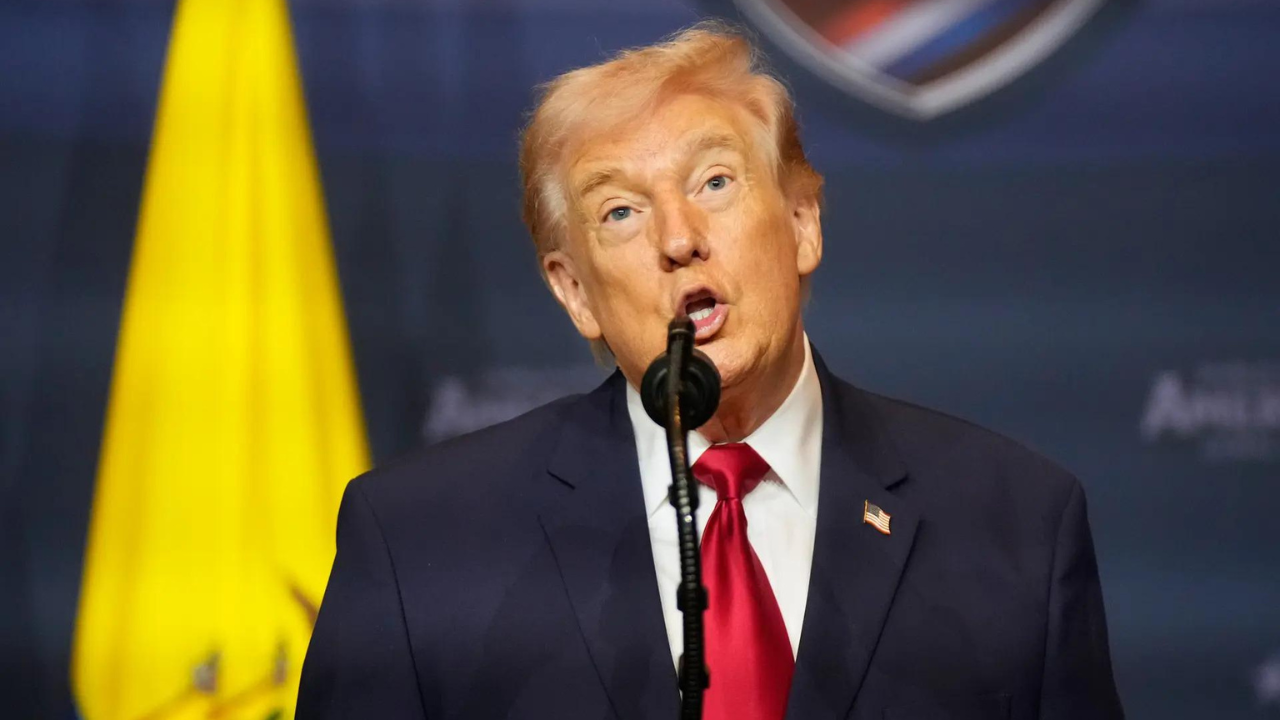
Donald Trump recently declared that artificial intelligence doesn't need federal guardrails, safety boards, or congressional oversight. What does it need instead? According to his social media pronouncements, just a "strong and smart (High IQ!) president".
While tech founders panic about runaway systems and data center electricity grid overloads, the White House stance is simple: the United States is winning the race against China, and any push for heavy regulation is part of a sick conspiracy. For a different view, read: this related article.
Let's look past the political theater. Is skipping federal guardrails a stroke of bold American confidence, or is it a blind spot while global competitors quietly draft the rules of the road?
The Great Guardrail Debate
For months, industry insiders and safety researchers have sounded alarms. Former lab researchers and policy groups argue that racing toward self-improving superintelligence without independent oversight is a dangerous gamble. Local communities push back against massive data centers because of skyrocketing utility bills, grid strain, and water scarcity. Similar coverage on this trend has been provided by Wired.
Trump brushes these concerns aside. He labels fears of robotic takeovers as a hoax, ranking them alongside climate change skepticism. In his view, the federal government already holds enough criminal and regulatory leverage over tech firms to keep them in line without choking innovation.
Yet, critics point out a glaring mismatch in priorities. While Washington argues over whether to rebrand artificial intelligence as "super intelligence" to sound more impressive, international rivals are systematically cementing technical standards.
The Geopolitical Stakes With China
Trump's core argument rests on a zero-sum premise: whoever wins the artificial intelligence race wins the century. He insists the United States leads Beijing by a comfortable margin, and claims that anyone arguing for strict domestic curbs is essentially playing into foreign hands.
China's official stance pushes back against this narrative, urging open and universally beneficial technological development rather than malicious rivalry. But beneath the diplomatic statements, a fierce battle for infrastructure dominance is underway. Billions of dollars pour into power grids, silicon chips, and massive server farms every single month.
When politicians frame regulation as treasonous or conspiratorial, it changes the practical reality for developers. It tells Silicon Valley that speed trumps safety, and that national security is best served by outrunning the competition rather than stopping to check the brakes.
What Actually Happens Next
Relying on executive intuition rather than statutory frameworks creates a volatile landscape for businesses and engineers. If presidential oversight is the only safeguard, policy can swing wildly from one administration to the next.
If you're building products in this space, don't wait for clear federal guidelines to establish internal ethics. Market demands and consumer trust will punish reckless deployment long before any executive order steps in. The debate isn't just about who has the highest IQ in Washington. It's about whether infrastructure built on speed alone can withstand the friction of a changing world.