
Day 73 of the Iran war didn't bring the handshake the world was hoping for. Instead, we're watching a high-stakes staring contest between Donald Trump and the Iranian leadership that's pushing global oil prices back into the danger zone. If you've been following the headlines, you know both sides are technically "talking," but the reality on the ground—and in the water—tells a much messier story.
Yesterday, Trump flat-out rejected Tehran's latest counter-proposal, calling it "totally unacceptable." From his perspective, the Iranians are stalling. From Tehran’s perspective, Trump’s demands look less like a peace treaty and more like a demand for total surrender. This isn't just diplomatic bickering; it’s a fundamental disagreement over who gets to control the world’s most important oil artery: the Strait of Hormuz.
The 14 Point Wall
The current deadlock stems from two competing visions for how this ends. The Trump administration pushed a 15-point plan back in March that demanded "zero enrichment" of nuclear material and the immediate, unconditional reopening of the Strait. Iran countered with its own 14-point proposal.
Here is what's actually on the table, and why it's not working:
- The Nuclear Standoff: Trump wants Iran’s stockpile of highly enriched uranium (HEU) shipped out of the country, likely to the U.S. or a third party. Iran says they'll dilute some of it but won't dismantle their facilities.
- The Sanctions Trap: Tehran won't budge on the Strait of Hormuz until they see "day one" sanctions relief and the unfreezing of billions in assets. Trump wants the ships moving before the money flows.
- The "Dual Blockade": Right now, we have a bizarre situation where the U.S. Navy is blockading Iranian ports while Iran is effectively blockading the entire Persian Gulf. Neither side wants to be the first to blink.
Ships are Still Catching Fire
Don't let the word "ceasefire" fool you. While the massive missile volleys of March have slowed, the "Shadow War" is peaking. Just yesterday, the Safesea Neha, a bulk carrier, was hit by a projectile near Qatar. Drone intercepts were reported over Kuwait and the UAE.
I’ve seen this pattern before in regional conflicts. When the diplomats can't agree at the table, the military commanders try to "improve the atmosphere" by breaking things. Iran is using these small-scale strikes to remind the West that even if they aren't winning a conventional war, they can still make the global economy bleed. Every time a drone gets through, oil speculators add another five dollars to the barrel price.
The Pakistan Connection
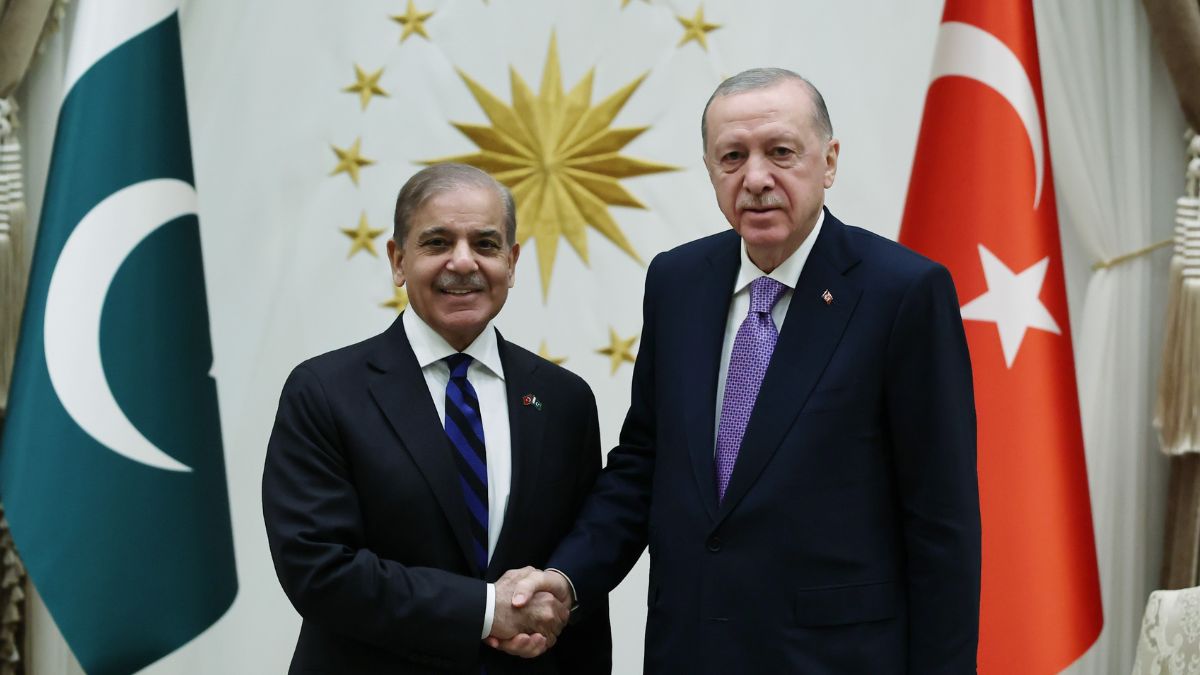
If there's any reason for optimism, it’s the role of Islamabad. Pakistan has been the primary "mailbox" for these proposals. Pakistani officials have been flying between D.C. and Tehran for weeks, trying to find a middle ground on the timeline for reopening the Strait.
The most realistic path forward—the one being whispered about in diplomatic circles—is a "gradual opening." This would involve Iran allowing a specific number of non-U.S. flagged tankers through per day in exchange for a partial lifting of the naval blockade. It's a "tit-for-tat" strategy that avoids either side having to admit they backed down.
Why Trump is Frustrated
Trump is under massive internal pressure. His "Project Freedom" initiative, which tried to force a passage through the Strait with U.S. warships earlier this month, was basically a bust. It only got two ships through before the risks became too high. He needs a win before his upcoming trip to China, especially since Beijing is losing patience with the energy disruptions.
He’s tried the "maximum pressure" route, and now he’s trying the "Art of the Deal" route, but Tehran is playing a very long game. They’ve survived 73 days of direct conflict, and they’re betting that the global thirst for oil will eventually force Trump to soften his 15 points.
Misconceptions About the Conflict
Most people think this is just about nukes. It’s not. It’s about the "Axis of Resistance" and the regional power balance. Iran's response to the peace proposal specifically mentioned ending the war on "all fronts," including Lebanon. They aren't just negotiating for themselves; they're negotiating for their proxies in Iraq and Yemen too.
You also might hear that Iran’s military is "destroyed." That’s a massive oversimplification. While their air defenses took a beating in the initial February strikes, their asymmetric capabilities—drones, fast-attack boats, and mobile missile launchers—are largely intact. They’re "broken but functional," which is exactly what makes them dangerous at the negotiating table.
What You Should Watch Next
The next 48 hours are crucial. If we don't see a "proposal C" from the mediators in Pakistan, the temporary truce is going to dissolve completely. Here is what to keep an eye on:
- The Tanker Tolls: Watch for reports of Iran trying to charge "tolls" for passage through the Strait. This is their new tactic to generate revenue under the blockade.
- The HEU Transfer: If there’s a breakthrough, it’ll start with a small, symbolic shipment of enriched uranium leaving Iran.
- The Qatari Mediation: Keep an eye on the Prime Minister of Qatar. He’s been the one talking to the Iranian Foreign Minister about the "freedom of navigation" principle. If he goes quiet, it means the talks have hit a brick wall.
Don't expect a grand signing ceremony at the White House anytime soon. We're looking at a series of small, messy compromises—or a return to full-scale kinetic war.



)