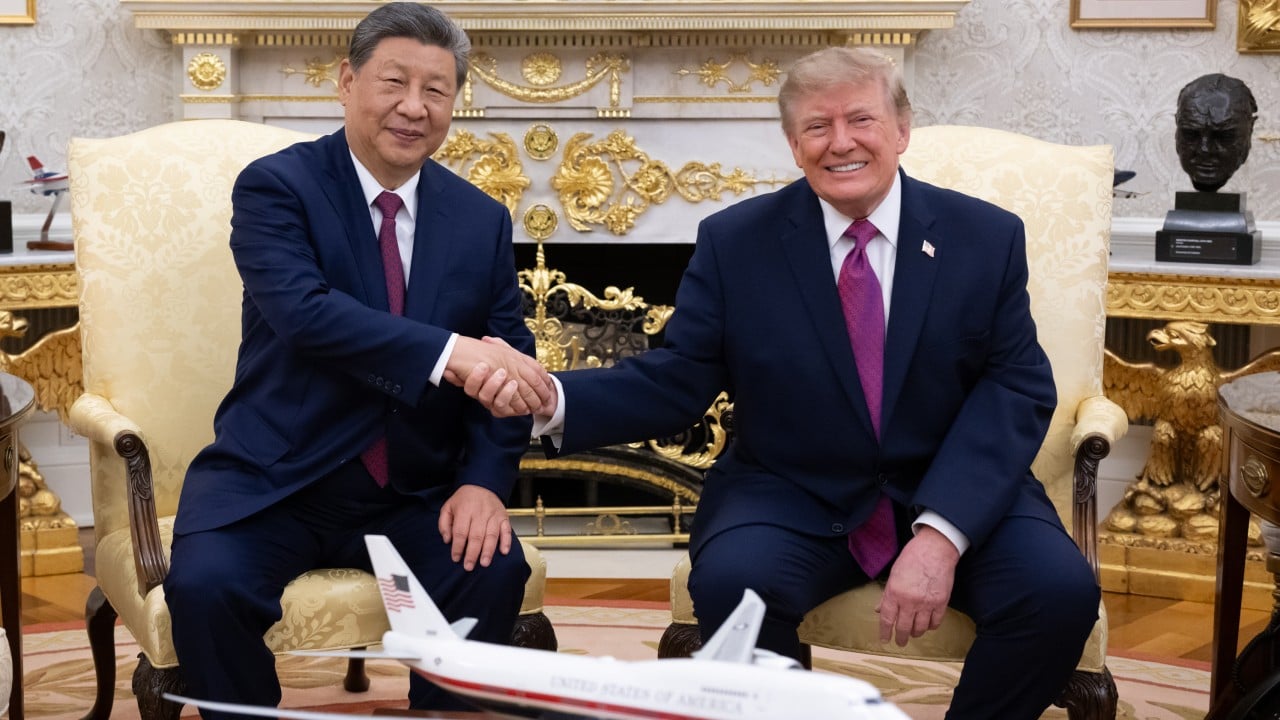
High-stakes diplomacy often hides behind closed doors, but Donald Trump made it a point to publicize one specific friction point after his Washington summit with Chinese President Xi Jinping. When reporters pressed the White House on whether the sensitive topic of political prisoners had come up during the talks, Trump didn't dodge. He confirmed it flat out, calling the conversations very important and potentially fruitful.
For years, human rights advocates have argued that trade talks and economic negotiations with Beijing overshadow individual liberties. Yet, bringing up specific detained individuals—such as American scholar Min Zin and prominent Hong Kong media figure Jimmy Lai—shifts the diplomatic calculus. It forces human rights back onto the main stage of superpower relations, even when both nations are eager to cut deals on energy, tariffs, and artificial intelligence frameworks.
Why This Dialogue Changes the Playbook
You can't separate superpower economics from human rights optics. When US administrations negotiate multi-billion-dollar energy agreements or tech dialogues, critics usually assume Washington is sweeping dissidents under the rug to keep trade flowing. Trump’s public confirmation disrupts that narrative.
By stating he raised these detained figures directly with Xi, the administration is signaling to domestic constituents and international watchdogs that personal diplomacy still has room for humanitarian appeals. Beijing, meanwhile, operates under a completely different framework. From the perspective of Chinese state media and official channels, these detentions are internal legal matters tied strictly to national security. Publicly acknowledging that Trump pushed for releases
Why Trump Talking Political Prisoners With Xi Matters More Than You Think
news
Diplomacy rarely happens in front of an open microphone. When high-stakes political figures lock themselves in summit rooms, the public gets a sanitized readout about trade deficits and tariffs. But sometimes, behind closed doors, human rights break through the bureaucratic noise. Donald Trump recently claimed he brought up the delicate issue of political prisoners in China directly with Xi Jinping during a summit.
Most political analysts rolled their eyes. Skepticism is the default setting when dealing with superpower negotiations. Yet, looking past the media theater reveals a much more complex diplomatic chess match.
The Reality of High-Level Backchannel Diplomacy
Leaders don't chat about dissidents by accident. It's calculated. When a president raises individual human rights cases face-to-face with an authoritarian counterpart, they're spending precious political capital. They could be talking about trade barriers or security pacts instead.
Why bring up detainees then? Because optics matter, and domestic pressure is real.
Think about how these conversations actually work behind the scenes. They aren't warm chats over tea. They are blunt, transactional exchanges. The Chinese government historically views discussions about political prisoners as a direct insult to its sovereignty. They hate interference. When an American president pushes the issue anyway, it forces Beijing to calculate the cost of refusal against the broader relationship.
What the Headlines Missed About the Summit Dynamics
Most coverage of US-China summits focuses entirely on market access, intellectual property theft, or regional security in the South China Sea. That's a mistake. It misses the intersection of human rights and hard power.
Xi Jinping operates from a position of absolute internal control. For him, conceding on prisoners looks weak at home. Trump operates from a transactional mindset, often viewing personal rapport as a tool to pry open concessions.
When you look closely at past summit diplomacy, private appeals have occasionally yielded quiet releases. It's rarely advertised loudly because neither side wants to look like they caved to foreign pressure. Beijing wants to save face. Washington wants a win it can quietly hand to lobbying families and human rights advocates.
The Politics of Pressure and Quiet Deals
You won't find comprehensive public logs of every name handed across a negotiating table. That's not how statecraft functions.
Families of detained activists spend years working through intermediaries, congressional offices, and the State Department just to get a single name onto a briefing sheet. When a president drops that sheet onto a table in front of Xi, it changes the weight of the advocacy. It stops being a memo from a mid-level bureaucrat and becomes a personal item of friction between two leaders.
Critics argue that treating human rights as a talking point among transactional trade talks devalues the core issue. They have a point. If a prisoner's release is traded away for a minor agricultural concession, it leaves a bitter taste. But diplomacy is the art of the imperfect alternative. If the choice is between staying silent or bringing it up in a tense room where it might actually work, staying silent wins nobody their freedom.
Tracking What Actually Changes
If you want to understand whether these high-level claims hold any weight, stop reading the official readouts. Watch the quiet releases over the subsequent months. Look for dissidents who suddenly receive medical parole or quiet exit visas.
Governments rarely announce these things as a direct result of summit pressure. They wrap them in bureaucratic euphemisms or deportations for "health reasons."
Keep your eyes on the human element, not just the macroeconomic indicators. Pay attention to advocacy groups like the Dui Hua Foundation or Amnesty International when they track individual cases. They see the needle move long before the politicians take credit for it.
Understand that summit diplomacy is messy, cynical, and transactional. But it remains one of the few levers large enough to rattle cages behind heavily guarded borders.