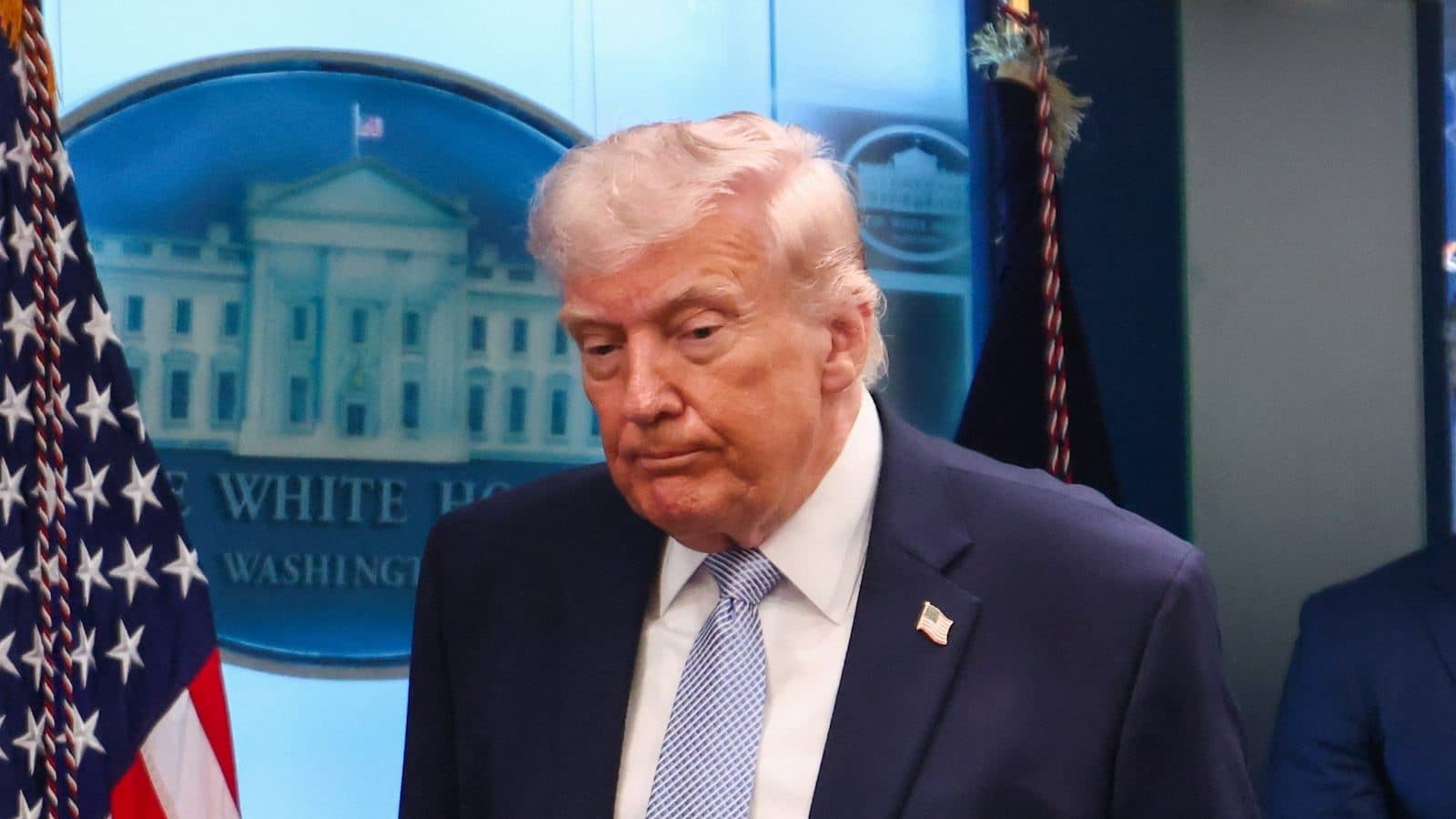
President Donald Trump signed a major proclamation hitting foreign drone imports with steep duties, aiming straight at America's heavy reliance on overseas unmanned aircraft. If you buy or fly commercial or security drones, get ready for a radical shift in equipment pricing and availability.
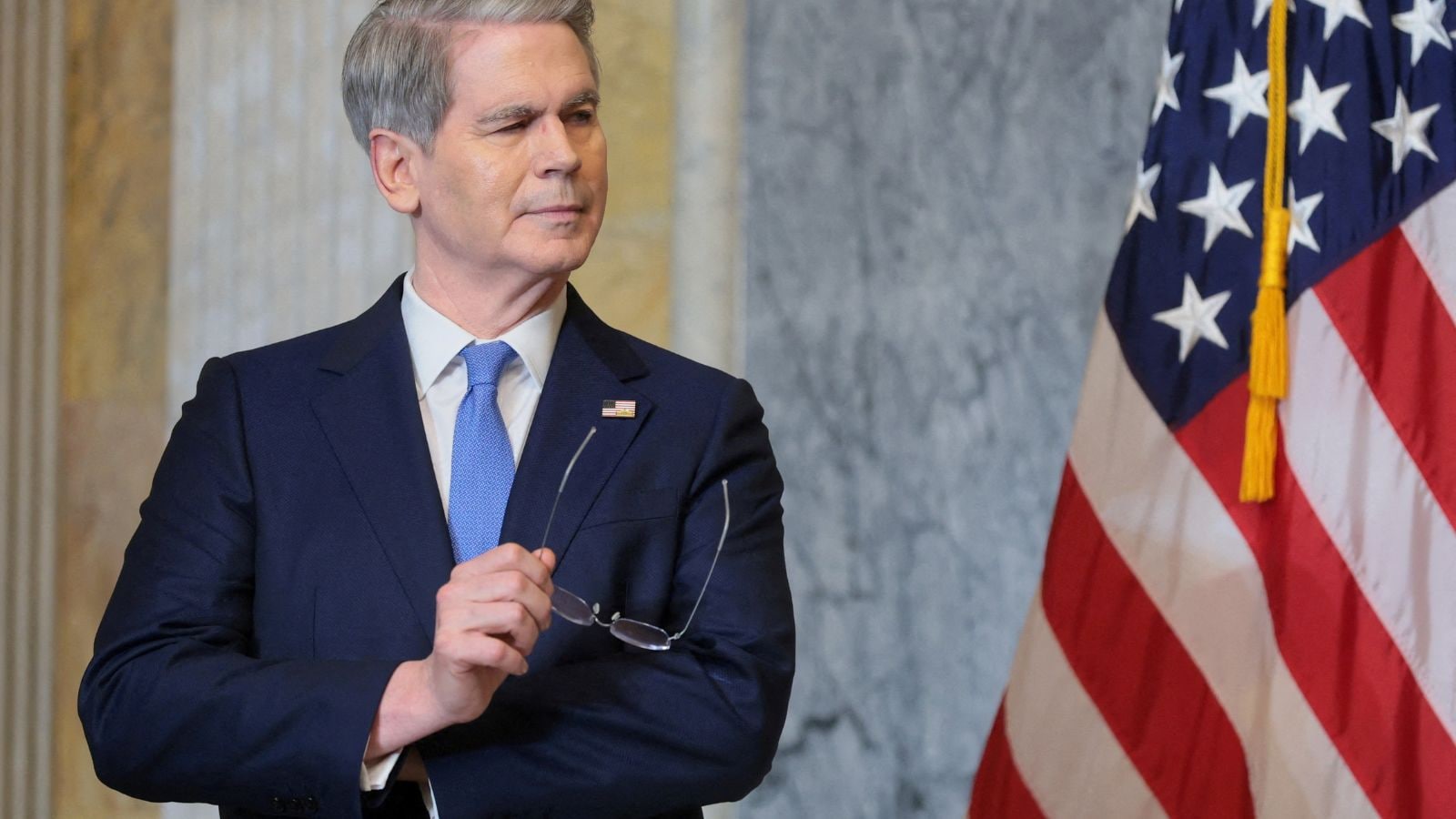
The White House didn't hold back. Commerce Secretary Howard Lutnick investigated foreign producers and found that import penetration is massive, leaving the United States vulnerable. Washington wants to force local manufacturing back onto home soil. You might also find this related coverage insightful: The Structural Mechanics of Japanese Yen Depreciation and Policy Impasse.
The Breakdown of the New Drone Tariffs
Not all drones face the same financial hit. The administration structured the duties based on size, capability, and country of origin.
The headline number is a staggering 100 percent ad valorem tariff. This massive penalty applies to sensitive aircraft defined by specific security criteria. Think of drones weighing more than 25 kilograms, models outfitted with thermal imaging capabilities, and their specialized docking stations. As highlighted in latest articles by The Economist, the results are notable.
Smaller commercial and consumer drones escape the maximum penalty but still face a solid 25 percent levy on both the units and their basic parts.
Geographic origin matters immensely under the new rules. Drones and components originating from the European Union, Japan, South Korea, Switzerland, Liechtenstein, and Taiwan face a 15 percent tariff. Meanwhile, imports coming out of the United Kingdom sit at a 10 percent rate, provided that nearly all hardware and software tech originates locally or within the United States.
Why Washington Pulled the Trigger Now
National security drove this decision. Government officials argue that foreign-made unmanned systems create severe cybersecurity risks and critical infrastructure vulnerabilities. Relying on external supply chains means American security apparatuses and commercial sectors dance to the tune of foreign factories.
Domestic manufacturers simply haven't scaled fast enough to meet intense market demand. By pricing foreign competitors out, the White House hopes to build a self-sustaining local industrial base. The proclamation even authorizes the Commerce Department to roll out an onshoring incentive program for companies willing to spin up local production lines.
Timelines and Exemptions to Watch
You won't feel the pinch tomorrow, but you do not have much time to adjust. Most of these new duties take effect 21 days from the signing date.
Non-sensitive components get a longer runway of 180 days. Products approved by the Department of Defense for specific exemptions from FCC restrictions also get that 180-day grace period to clear supply chain backlogs.
If your business relies on imported aerial hardware, audit your current inventory immediately. Check your supplier origins, calculate the upcoming cost bumps, and look into domestic alternatives before prices spike across the board.