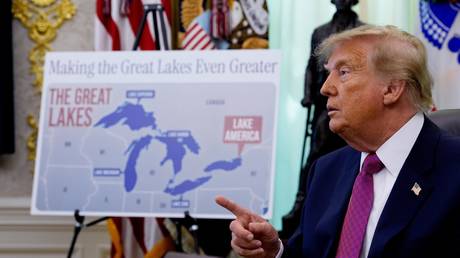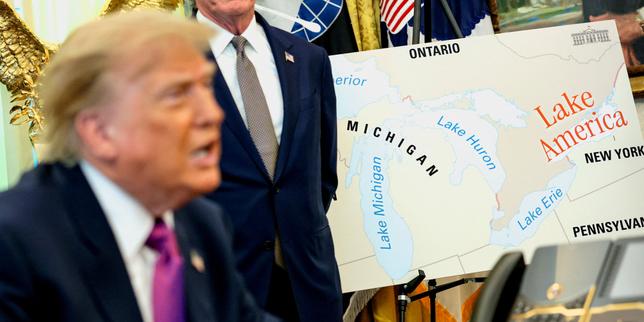
Donald Trump just signed an executive order forcing the U.S. Department of the Interior to scrub "Lake Ontario" from federal mapping systems and replace it with "Lake America". If you think this is just a quirky headline meant to distract the media, you're missing the bigger picture. This move is a calculated weapon in an escalating trade war with Ottawa, and it shows just how hostile Washington's relationship with its northern neighbor has become.
Trade negotiations between the U.S. and Canada recently collapsed, leading the White House to slap aggressive 50 percent tariffs on roughly $20 billion worth of Canadian goods, including whisky, dairy, and hockey sticks. Canada hit back hard, announcing dollar-for-dollar retaliatory surtaxes. Trump's response? Pulling a page straight out of his previous playbook—remember when he tried renaming the Gulf of Mexico to the Gulf of America?—and targeting a 400-year-old geographic name.
The Battle Over Cartography and Trade
When Trump sat at the Resolute Desk in the Oval Office to sign the order, a large map stood behind him displaying the Great Lakes with "Lake America" stamped in bold red letters. It was theater, sure, but it carries administrative teeth. The executive order gives the Interior Department thirty days to update the Geographic Names Information System.
Canadian Prime Minister Mark Carney didn't hesitate to push back. He pointed out that the name Ontario comes from the Wendat word Ontari'io, meaning "the lake is beautiful, the lake is big," and noted that the name predates both the Canadian Confederation and the American Declaration of Independence. Ontario Premier Doug Ford and other provincial leaders quickly rallied behind him, calling the move absolute foolishness.
Even domestic pushback was swift. New York Governor Kathy Hochul, whose state shares the shoreline with the body of water, publicly stated that New York won't be adopting the new moniker. Because domestic geography is shared, local authorities, state governments, and private mapmakers like Google or Apple don't automatically have to follow federal mandates.
What This Means for Cross-Border Relations
Cartography battles might sound petty, but they signal a deep decay in international cooperation. Trump has repeatedly needled Canada, even floating the notion that the country should just become the fifty-first state. Meanwhile, administration officials like Commerce Secretary Howard Lutnick and Vice President JD Vance have openly criticized Canada's defense spending and economic policies.
The retaliatory tariffs from Ottawa are scheduled to take effect on September 8. With both sides refusing to back down, businesses relying on cross-border supply chains are caught in the crossfire. Farmers, manufacturers, and logistics companies are bracing for higher costs and border delays.
Trump even hinted during the signing event that he might look at the Atlantic or Pacific oceans next. Whether those threats materialize matters less than the steady erosion of diplomatic norms. When allies start rewriting maps over trade disputes, ordinary consumers pay the price through higher goods and fractured trade agreements. Keep a close eye on the September tariff deadlines, because that is where the real economic damage will hit.