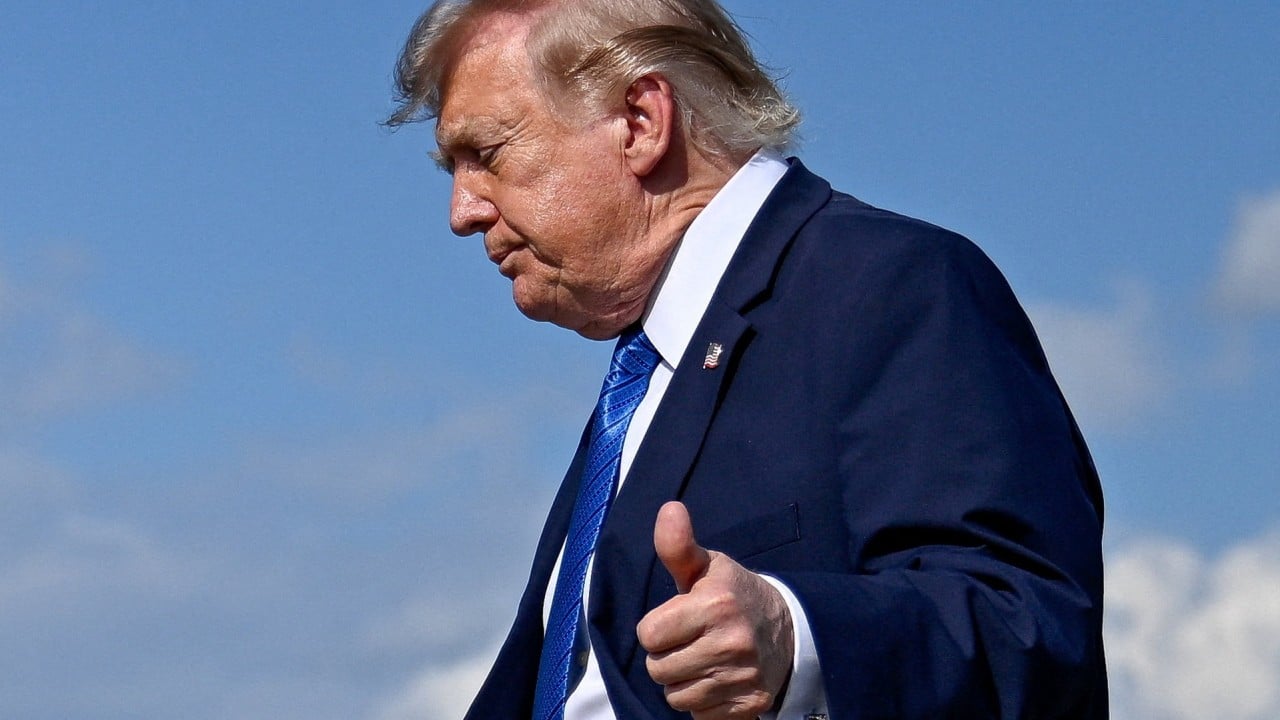
We were hours away from a massive military escalation. Then the diplomatic phone lines lit up. President Donald Trump announced he's holding off on planned military strikes against Iran after regional allies stepped in with the framework of a potential settlement.
If you've been watching the five-month conflict closely, this sudden shift feels like whiplash. Just days ago, Washington was warning of an unprecedented response following attacks in the region. Now, leaders from key Gulf nations have convinced the White House to give diplomacy one last opening.
What the Proposed Deal Actually Entails
According to statements shared on social media and diplomatic sources close to the talks, the parameters laid out by Middle East partners center on two massive sticking points.
- The Strait of Hormuz: An immediate, total reopening of the vital shipping lane to commercial traffic.
- The Nuclear Question: A permanent halt to Tehran's nuclear weapons ambitions.
Trump noted that he agreed to cancel the immediate military action on the condition that a formal agreement is finalized rapidly. Israel has aligned with this stance, but skepticism remains high across defense circles. Past ceasefires have collapsed quickly when verification mechanisms failed.
Why Gulf Allies Intervened So Aggressively
Leaders in countries like Saudi Arabia, Qatar, and the United Arab Emirates have everything to lose if a full-scale regional war breaks out. Their infrastructure, economies, and security are directly in the line of fire. When Washington signals a readiness to strike at levels not seen in decades, regional capitals panic for good reason.
Arab heavyweights pushed Tehran to bend on crucial terms because they know Trump's threats aren't empty bluster. Yet, bridging the gap between total sanctions relief demanded by Iran and the strict compliance expected by the US remains a heavy lift.
What Happens Next on the Ground
While the jets are grounded for the moment, the US State Department isn't taking any chances. Security alerts remain active across embassies in ten Middle Eastern countries. Citizens are advised to brace for sudden flight cancellations and airspace disruptions.
The military remains locked and loaded. Defense Secretary Pete Hegseth and military leadership have standing orders to resume full-scale assault preparations instantly if these talks stall. The window for a lasting diplomatic exit is narrow, and the clock is ticking down fast.
BREAKING: Trump says U.S. will hold off on further Iran strikes
This video provides live coverage and direct context regarding President Trump's announcement to pause military strikes against Iran.
http://googleusercontent.com/youtube_content/1