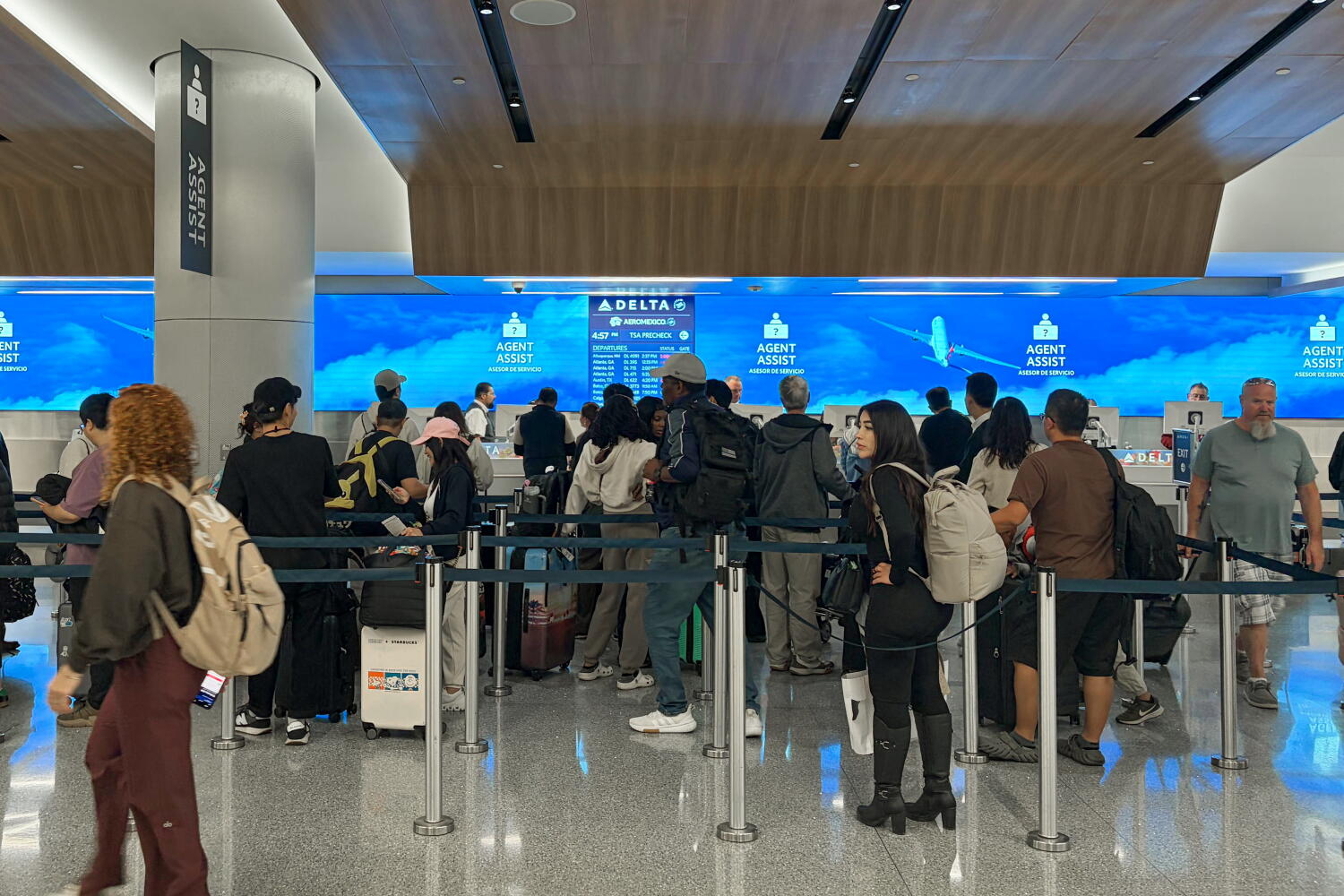
Your flight isn't delayed because of a sudden thunderstorm over Chicago. Not really. Even when the departure board blames "weather" or "air traffic control," continued flight disruptions in 2026 are mostly the result of fragile airline scheduling, chronic staffing gaps, and aircraft utilization rates pushed to their absolute breaking point.
I've spent the better part of the last decade tracking aviation operations and helping stranded passengers navigate rebooking chaos. Here's the uncomfortable truth the carriers won't put in their apologetic push notifications. When a single hub hiccups at 8:00 AM, the entire domestic network unravels by 4:00 PM because airlines leave zero slack in their daily rotations.
If you're flying this year, treating delays like random bad luck will leave you sleeping on terminal carpet. You need to understand how the system actually breaks—and what rights you genuinely hold when it does.
Why Continued Flight Disruptions Keep Happening
Most travelers assume flight cancellations happen in isolation. One plane breaks down, one flight gets scrubbed, and everyone moves on.
That's not how hub-and-spoke aviation works. A single commercial narrowbody aircraft—say, a Boeing 737 or an Airbus A321—often flies four to six legs in a single day. If that jet sits on the tarmac in Denver for ninety minutes waiting for a de-icing slot or a missing first officer, it doesn't just miss its next departure. It misses its evening arrival in Atlanta, which strands the crew scheduled to take it to Miami, which cancels the 6:00 AM flight back out the next morning.
The Staffing Bottleneck Nobody Fixed
Airlines love pointing to record passenger numbers, yet the back-end infrastructure hasn't caught up. According to ongoing Federal Aviation Administration (FAA) workforce data, air traffic control facilities in critical corridors like New York, Jacksonville, and Southern California continue to operate below target staffing levels.
When a TRACON facility is short-handed, controllers have to space aircraft further apart in the sky for safety. That instantly slashes the number of landings per hour an airport can handle. Even on a crystal-clear Tuesday afternoon, an airspace flow program can trigger hundreds of cascading delays.
Add pilot and mechanic scheduling rules into the mix, and things get ugly fast. Federal regulations strictly cap how many hours a flight crew can remain on duty. Once a crew "times out" while waiting for a late inbound plane, that flight is dead in the water until a reserve crew arrives—assuming the airline even has reserves left at that airport.
High Load Factors Leave Zero Cushion
Ten years ago, if your flight got canceled, an airline could usually absorb 150 displaced passengers onto the next two departures. Planes regularly flew at 80% capacity.
Today, carriers routinely operate with load factors hovering near 85% to 90% across peak travel months. Almost every seat is already sold. When a widebody international flight or two regional jets get scrubbed, there simply aren't enough empty seats on later flights to absorb the fallout. That's why a routine maintenance delay turns into a three-day rebooking nightmare.
What Airlines Owe You Versus What They Claim
Gate agents are exhausted, overwhelmed, and frequently working with outdated scripts. If you take their first "no" at face value, you're leaving money and hotel vouchers on the table.
Under U.S. Department of Transportation (DOT) rules, your rights depend heavily on two things: whether your flight was actually canceled or significantly changed, and why the disruption happened.
Cash Refunds Are Mandatory When You Walk Away
Here is the single biggest misconception in commercial travel. Many flyers still believe that if they bought a non-refundable Basic Economy ticket, they're stuck with a travel voucher when the airline cancels their flight.
Wrong. Completely wrong.
Under federal regulations enforced by the DOT, if an airline cancels your flight or makes a significant schedule change (defined federally as three hours or more for domestic flights and six hours or more for international flights), you're legally entitled to a full refund to your original form of payment—provided you choose not to travel on the rebooked itinerary. This applies regardless of why the flight was canceled. Weather, mechanical failure, vendor strikes—it doesn't matter. If you decide to abandon the trip because they couldn't get you there on time, they owe you cash, not a credit that expires in twelve months.
Don't click "accept" on an automated app rebooking if you plan to demand a refund. Accepting the new flight forfeits your right to the cash payout.
Controllable vs. Uncontrollable Delays
Cash refunds cover tickets you don't use. Hotels, meal vouchers, and ground transportation are a completely different story.
In the United States, airlines are only obligated to provide meals and overnight lodging when a disruption is controllable—meaning it was caused by something inside the airline's control. Think maintenance issues, aircraft cleaning delays, crew scheduling mistakes, or baggage loading failures.
If a blizzard shuts down Minneapolis, that's uncontrollable. You're paying for your own Holiday Inn Express.
Where airlines play dirty is blurring that line. Sometimes a morning thunderstorm passes by 10:00 AM, yet your 7:00 PM flight gets canceled because the airline mismanaged crew rotations all afternoon. Carriers routinely code these knock-on failures as "weather" in their internal systems to dodge hotel obligations. You can check each major airline's exact binding commitments on the DOT Airline Customer Service Dashboard right from your phone while standing in line.
International Flights Follow Much Stricter Rules
If your journey touches Europe or the United Kingdom, the game changes dramatically in your favor. Under EU Regulation 261/2004 and its post-Brexit British equivalent (UK261), passengers departing from an EU/UK airport—or flying into the EU/UK on a European or British carrier—are entitled to fixed cash compensation on top of meals and hotels.
Depending on flight distance and delay length, carriers must pay between €250 and €600 (or £220 to £520) per passenger for controllable delays exceeding three hours upon arrival. Air traffic control strikes and severe storms still exempt them from the cash payout, though they must still provide "duty of care" (food and hotel rooms) regardless of the cause.
How to Outmaneuver a Meltdown in Real Time
Standing in a two-hundred-person customer service line at Concourse B is the worst move you can make. By the time you reach the podium, every reasonable seat on the next three flights will already belong to passengers who worked the phones and apps faster than you did.
When you see a delay creeping past forty-five minutes—or you notice on a flight-tracking app that your inbound aircraft hasn't even taken off from its previous city yet—start executing a backup plan immediately.
- Use the triple-channel attack. Get in the physical gate line, open the airline's mobile app chat, and dial the carrier's toll-free reservation number all at the same time. If you hold elite status, call the dedicated status desk. If the US call center has a two-hour hold time, try calling the airline's international support line in the UK, Canada, or Singapore—they tap into the exact same reservation inventory with a fraction of the wait.
- Feed the agent exact flight numbers. Don't walk up to an agent and ask, "Can you get me to Boston tonight?" Look up alternative routes yourself on Google Flights or the airline's app first. Hand them a specific solution: "Flight 1422 through Charlotte leaves in 50 minutes and has four seats open—can you put me on that?" Agents love passengers who do the legwork for them.
- Ask for an interline transfer. Legacy carriers like Delta, United, and American maintain interline agreements with rival airlines. If your flight is canceled due to a controllable mechanical issue and your airline has no seats left until tomorrow, politely ask the agent to endorse your ticket over to a competitor flying out tonight. Budget carriers like Southwest, Spirit, and Frontier generally won't do this, but legacy airlines do it every day when pushed.
- Screenshot the departure board. Before you leave the airport, take a clear photo of the gate screen showing the cancellation or delay, and screenshot the reason listed in your airline app. If you end up filing a credit card trip delay insurance claim or a formal DOT complaint later, timestamped proof prevents the airline from rewriting history.
Book Smarter Before Your Next Trip
You can't fix FAA staffing shortages or stop summer convective weather over Texas. You can, however, stop booking itineraries designed to fail.
First, fly the first departure of the day whenever your schedule allows. Aircraft sitting overnight at your origin airport are already physically at the gate, crews are rested, and airspace congestion is at its lowest. Data from the Bureau of Transportation Statistics consistently shows that 6:00 AM and 7:00 AM departures suffer far fewer delays than anything departing after 3:00 PM.
Second, never book tight connections through notorious bottleneck hubs like Newark (EWR), Chicago O'Hare (ORD), Dallas/Fort Worth (DFW), or Charlotte (CLT). A 45-minute layover looks fine on a booking screen, yet one slow taxi to the gate turns it into an overnight stay. Give yourself at least 90 minutes domestically and two and a half hours internationally.
Third, skip third-party online travel agencies for complex or time-sensitive trips. When a disruption hits, airlines will often tell Expedia or Kiwi customers to call their booking agency for revalidation—creating a finger-pointing loop while seats vanish. Book directly with the operating carrier using a travel rewards credit card that includes primary trip delay reimbursement (typically kicking in after a 6- to 12-hour delay to cover hotels, meals, and toiletries up to $500 per ticket).
Take five minutes before your next trip to download the FlightAware app, save your airline's international customer service numbers in your contacts, and check the DOT dashboard for your carrier's specific hotel voucher policy. When the departure board turns red, speed and preparation are the only things standing between you and a terminal bench.