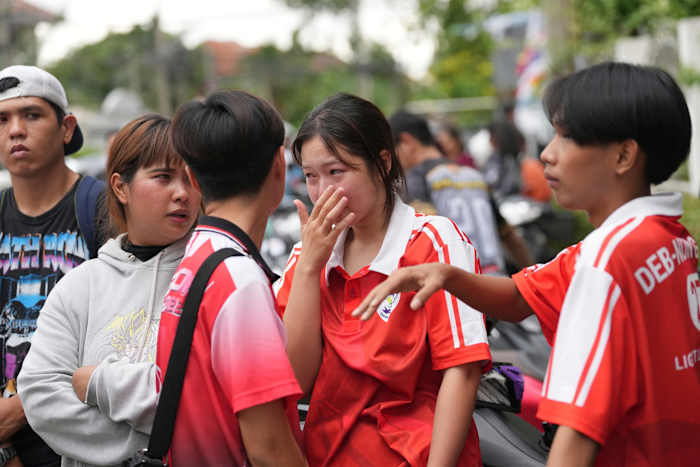
Gunfire erupted on a Friday morning at the Debsirin Nonthaburi School on the northwestern outskirts of Bangkok, shattering the daily routine of thousands of students. A student opened fire inside the campus, leaving multiple people dead and injured before authorities flooded the area. Incidents like this force communities to confront uncomfortable questions about youth mental health, firearm accessibility, and institutional security in a country where such violence remains rare but deeply shocking.
What Happened at Debsirin Nonthaburi School
The attack unfolded quickly. Students initially mistook the sounds for firecrackers or construction noise until reality set in. Royal Thai Police and emergency responders rushed to the scene in Nonthaburi province, where terrified students streamed out of buildings and into the streets.
Authorities later confirmed that the suspected shooter was a student at the school. Officials reported multiple fatalities, including both teachers and students, alongside numerous injuries requiring immediate hospital transport. Emergency personnel worked through chaotic scenes on upper floors and outside ambulances to treat the wounded. Prime Minister Anutin Charnvirakul expressed public dismay, questioning how such an event could happen and ordering immediate care for victims and their families.
The Broader Context of School Violence in Thailand
While mass school shootings are historically uncommon in Thailand compared to other regions, this incident follows a troubling pattern of recent security breaches.
Earlier in the year, a separate school shooting in southern Thailand left a principal dead and others injured. Years prior, a tragic attack at a shopping mall and a devastating assault in Nong Bua Lamphu province pushed the government to reevaluate public safety and firearm regulations.
Thailand maintains strict laws regarding illegal firearms, carrying potential prison sentences of up to ten years, yet private ownership rates remain high relative to neighboring countries. Investigations into how youths obtain weapons often point toward domestic storage access, raising urgent questions about household firearm safety and parental responsibility.
Institutional Response and Immediate Next Steps
When tragedies strike educational facilities, the immediate focus always shifts to rescue operations and medical triage. Local authorities secured the campus, evacuated survivors, and established reunification zones for anxious parents trying to locate their children amidst gridlocked traffic.
Moving forward, educational administrators and government officials face mounting pressure to implement tighter security measures without turning schools into fortresses. Addressing the root causes requires a dual approach: restricting access to lethal means within households and expanding psychological support systems for adolescents under extreme stress. Communities must demand transparent investigations and proactive mental health resources to help prevent future tragedies before they start.