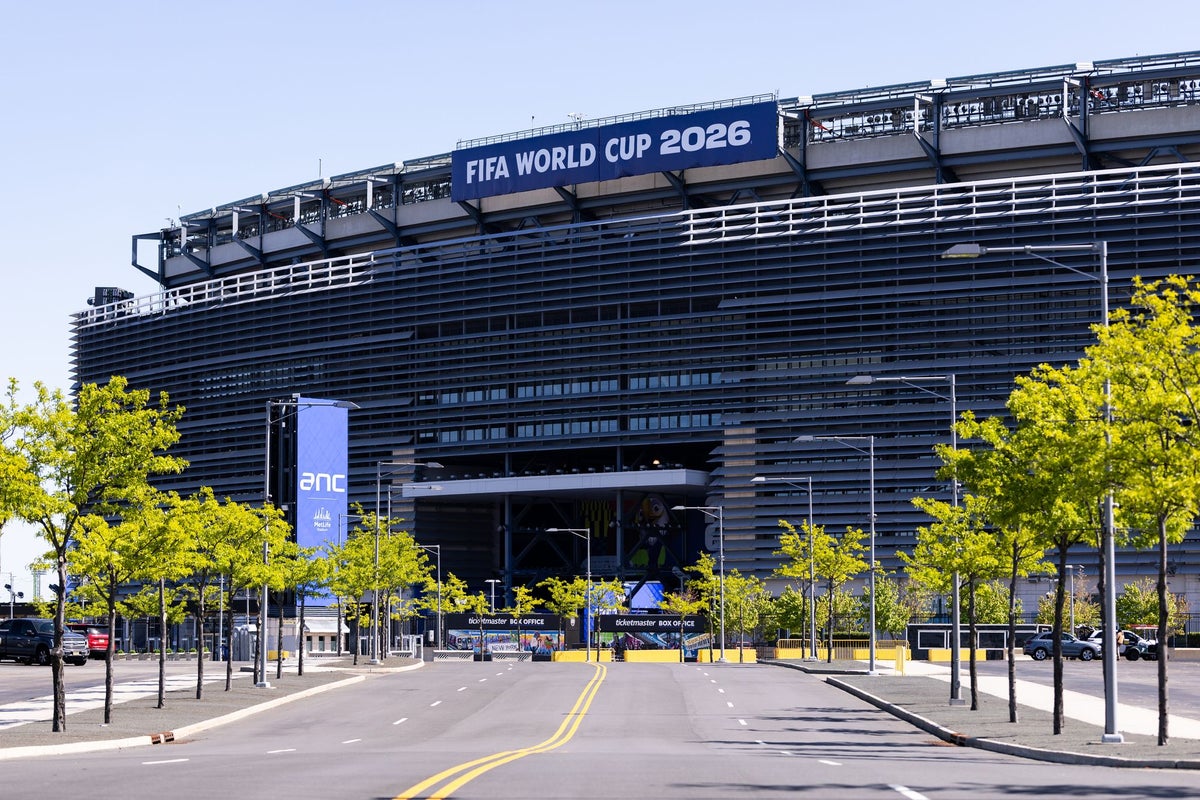
A viral horror story recently detailed how a mother, trying to secure World Cup tickets for her son, mistakenly spent $8,000 on a parking pass. It is easy to dismiss this as user error. It is comforting to think that a sharper eye or a slower thumb would prevent it. But that view ignores how modern secondary ticketing platforms are intentionally engineered. The $8,000 parking pass is not an isolated glitch; it is the predictable output of a multi-billion-dollar predatory ecosystem designed to exploit urgency, confuse the buyer, and maximize transaction fees at any cost.
For decades, the ticket-buying public has accepted high fees as an annoying tax on entertainment. What we are witnessing now, however, is a fundamental shift from aggressive pricing to deceptive user interface design, commonly known as dark patterns.
When massive sporting events like the FIFA World Cup collide with speculative secondary marketplaces, the result is an environment where the line between a valid admission ticket and a ancillary add-on is intentionally blurred.
The Illusion of Scarcity and the Urgency Engine
The journey into a modern ticket marketplace is a masterclass in psychological manipulation. The moment a user selects an event, a countdown timer begins. Flash messages pop up warning that "14 other people are looking at this ticket" or "98% of tickets for this venue are sold out."
This is the urgency engine. Its sole purpose is to disable the consumer's critical thinking faculties.
Under normal economic conditions, a buyer spending thousands of dollars would take time to review terms, verify seat locations, and double-check fine print. Ticket platforms systematically strip that time away.
[User Selects Event]
       │
       ▼
[Countdown Timer Starts] ──► Disables Critical Review
       │
       ▼
[Dynamic Cart Updates]    ──► Obfuscates Line Items
       │
       ▼
[Instant Checkout]        ──► Finalizes Non-Refundable Sale
When a buyer is told they have ninety seconds to complete a transaction before losing their items, their brain prioritizes speed over accuracy. They stop reading the text. They look only at the buttons and the fields. If a listing for a parking pass looks identical to a listing for a stadium seat—using the same font size, the same color scheme, and the same placement within the search results—a rushed buyer will inevitably mistake one for the other.
Speculative Ticketing and the Phantom Inventory Problem
To understand how an ancillary pass reaches an astronomical price, one must understand speculative ticketing. Many listings on major secondary platforms do not represent assets the seller actually owns.
Instead, brokers list tickets they hope to acquire later, betting that they can buy them cheaper than the price they just locked in with a consumer.
- Brokers use automated software to scrape price trends.
- Platforms allow listings to go live without requiring proof of ownership.
- Algorithms dynamically adjust prices based on search volume rather than actual supply.
When this logic is applied to parking passes or VIP club access, the system breaks down. An algorithm detects massive search volume for a high-profile match and automatically scales up the price of every asset associated with that venue. A parking pass that should cost $50 is algorithmically boosted to thousands of dollars because the software treats it as a high-demand seat.
The platform does not intervene because its business model is entirely dependent on transaction volume. A 20% service fee on an $8,000 mistake yields $1,600 in pure profit for the middleman.
Why Regulatory Reform Keeps Failing
Whenever a high-profile ticketing scandal breaks, politicians hold hearings. They draft bills with titles promising transparency and fairness. Yet, nothing changes. The reason for this paralysis is the complex web of lobbying and corporate integration that defines the live entertainment industry.
The dominant players in this market are not just websites; they are vertically integrated conglomerates. The same parent company often owns the venue, manages the artist or team, promotes the tour, and operates both the primary and secondary ticketing platforms.
This creates a massive conflict of interest.
If a platform makes millions of dollars from the secondary market, it has zero financial incentive to clean up that market. A dollar earned from a speculative broker or an accidental purchase spends exactly the same as a dollar earned from a legitimate fan.
Furthermore, current consumer protection laws are entirely inadequate for the digital age. Most regulations focus on requiring platforms to show the total price upfront. While this prevents "drip pricing"—where fees are hidden until the final screen—it does nothing to stop the deceptive layout choices that lead to accidental purchases.
Showing a total of $8,000 upfront does not help a consumer if the system has conditioned them to believe that $8,000 is the going rate for a seat, rather than a piece of asphalt outside the stadium.
The Tech Debt of Legacy Verification
The primary defense offered by secondary platforms is that they are merely "neutral marketplaces" connecting buyers and sellers. This defense is a legal fiction.
In reality, these platforms exercise absolute control over how listings are displayed and processed. They possess the technology to prevent these errors instantly.
If Listing == "Parking Pass"
Then Icon MUST = [Car Graphic]
And Text MUST = "NO STADIUM ENTRY" (Blinking Red)
By enforcing a simple rule that forces sellers to explicitly categorize non-admission items with distinct visual markers, these mistakes would disappear overnight. A giant, red warning label stating "THIS IS NOT A TICKET FOR ADMISSION" would break the user's trance.
Platforms actively choose not to implement these simple visual guardrails. Standardized layouts maintain the ambiguity that drives accidental, high-value sales.
The Real Cost of the Modern Ticket Ecosystem
The damage extends far beyond the financial ruin of individual families. The current state of the ticketing market is actively destroying the cultural fabric of live sports and entertainment.
When attending a game requires navigating a digital minefield where a single misclick can wipe out a savings account, working-class fans simply stop participating. The stands fill with corporate clients and ultra-wealthy individuals who view the event as a networking opportunity rather than a passion.
This shift erodes the home-field advantage and the vibrant atmosphere that made these events valuable in the first place. A stadium filled with people who bought their way in through algorithmic optimization is a quiet, sterile environment.
The platforms are cannibalizing the long-term health of the industry for short-term quarterly gains.
Disruption from the Margins
The solution will not come from inside the dominant ticketing cartels. It will come from decentralized technologies and alternative distribution models that eliminate the middleman entirely.
Programmable Smart Tickets
By issuing tickets as digital assets on a blockchain, event organizers can hardcode permanent rules directly into the ticket itself. A smart ticket can be programmed with a maximum resale price cap, entirely eliminating the speculative flipping market. If a ticket cannot legally be resold for more than its face value, the incentive for brokers to use predatory software completely vanishes.
Verified Fan Networks
Some sports clubs are moving toward closed-loop systems where tickets can only be resold through official team apps directly to verified club members. This approach cuts out secondary platforms entirely. It ensures that tickets remain in the hands of genuine fans at fair prices.
Legislative Redesign
Instead of asking platforms to polices themselves, future legislation must focus on strict UI design mandates. If a platform fails to clearly differentiate between an admission ticket and an ancillary service using standardized, non-deceptive design frameworks, the platform should be held legally liable for the full amount of the transaction.
The $8,000 parking pass is a warning sign of a market that has decoupled from reality. Until consumers demand systemic structural changes, and until lawmakers target the specific design choices that enable these traps, buying a ticket to a major event will remain a high-stakes gamble where the house always wins.