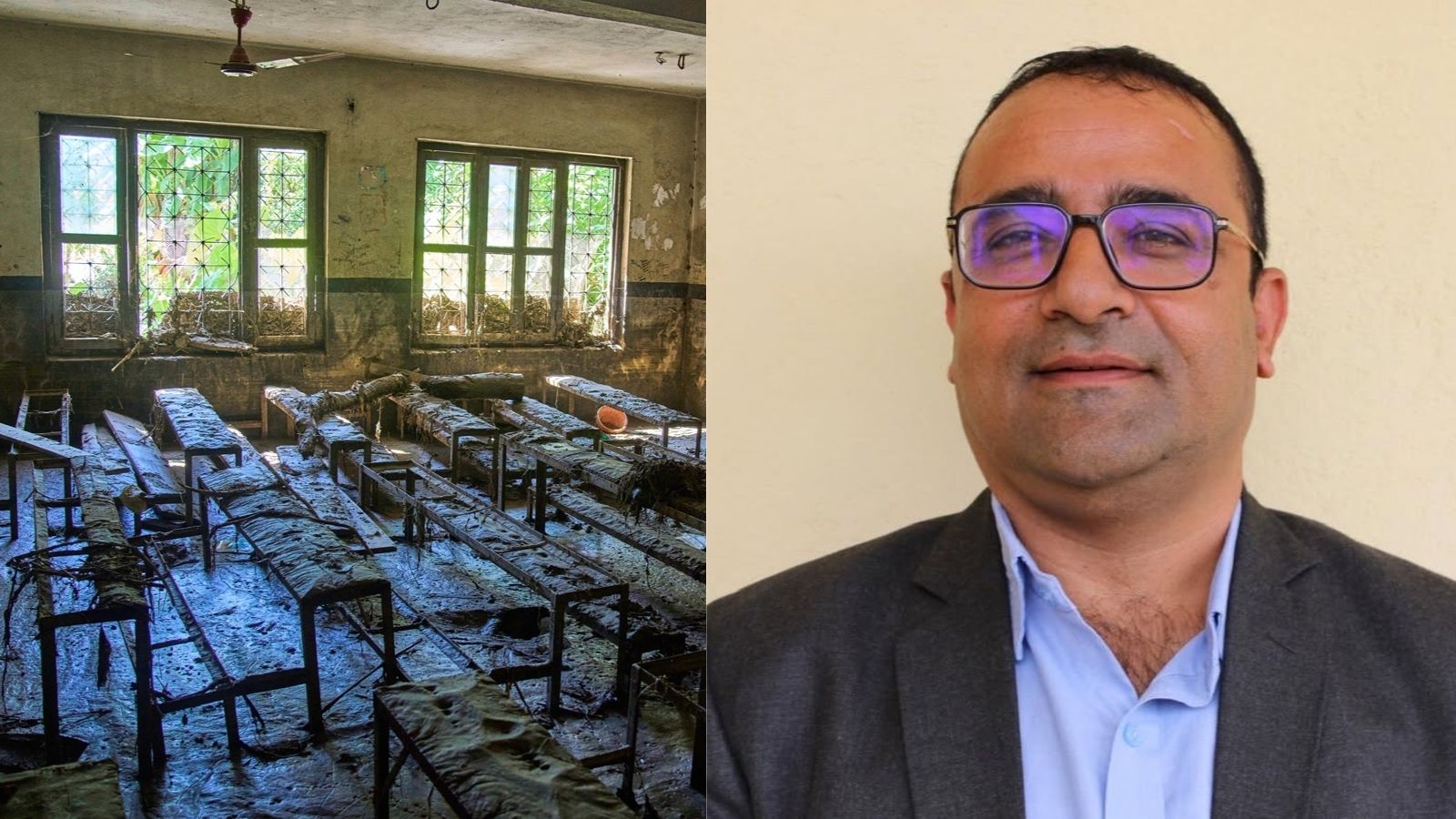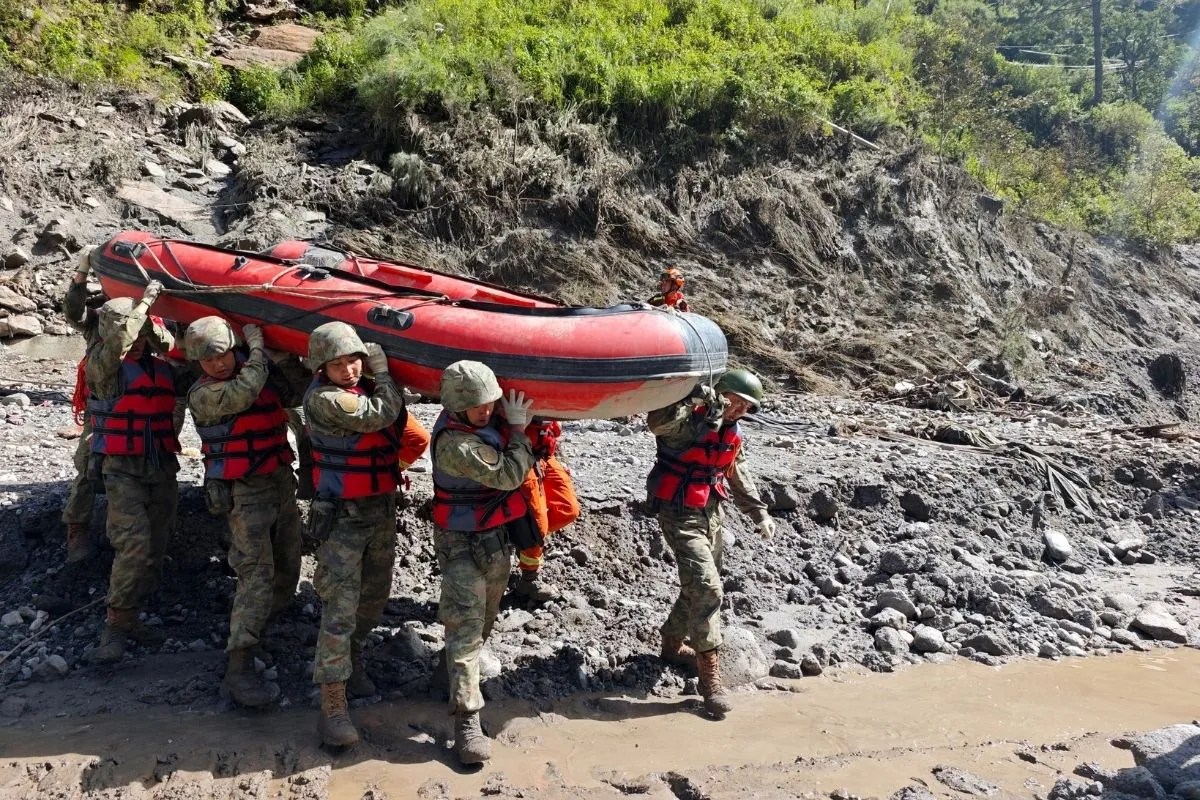
Every monsoon season, the media machine grinds into predictable gear. A weather event hits the Tibetan plateau, footage vanishes from social feeds, and immediate panic sets in about hidden catastrophes and state censorship. The standard narrative writes itself: Beijing is suppressing the scale of a disaster, silencing locals, and hiding structural failures on the roof of the world. Even voices within the diaspora, including relatives of high-ranking figures, jump into the fray to amplify the outrage.
It is a lazy consensus that treats a complex high-altitude engineering and hydrological theater as a simple story of authoritarian cover-ups. For another look, read: this related article.
The focus remains entirely misplaced. The real story is not that China is hiding a flood. The real story is that the architecture controlling these transboundary rivers is expanding so rapidly that minor flooding anomalies are treated as state secrets simply because any structural failure on the plateau poses an existential downstream risk to billions of people. When a government manages the headwaters of the Mekong, the Brahmaputra, and the Yangtze, a breached embankment is not a local weather mishap. It is an international security incident before a single drop hits a lowland village.
Look at the mechanics of the terrain. The Tibetan plateau sits at an average elevation of over four thousand meters. It is an aggressive, rapidly warming environment where glacial retreat outpaces almost anywhere else on earth. When rapid snowmelt combines with erratic monsoon patterns, the resulting hydraulic pressure on upstream containment systems is immense. Beijing does not suppress footage out of simple malice or generic authoritarian reflex. They do it because the cascade effect of panic across international borders—particularly with downstream riparian states like India and Bangladesh—creates immediate diplomatic warfare. Similar insight regarding this has been provided by USA Today.
Information control in this sector functions as a crude form of dam safety. If every minor levee breach or localized flash flood triggered international inspections and panic-driven geopolitical posturing, transboundary water management would grind to a complete halt.
Does this justify total information blackouts? Absolutely not. But pretending this is just another standard human rights or disaster-hiding story misses the brutal engineering reality of modern hydro-politics.
The Downstream Obsession with Secrecy
For decades, analysts in New Delhi and Washington have fixated on China's upstream hydro-dominance. Every time a river swells, speculation runs wild that Beijing is weaponizing water, deliberately withholding data, or engineering artificial droughts and floods. This creates a paranoid feedback loop. When footage disappears from Chinese social media platforms like Weibo or Douyin, outside observers immediately assume the worst: thousands dead, massive infrastructure collapse, villages wiped off the map.
Yet, this panic ignores how domestic disaster management actually operates inside mainland China.
Local bureaucracies face severe penalties for reporting catastrophic numbers upward, which creates a perverse incentive to downplay initial impacts. This is a bureaucratic failure of local governance, not a grand centralized conspiracy to hide an Atlantis-like disaster from the world. When local officials delete videos, they are usually trying to save their own jobs from central-level disciplinary committees that punish high casualty figures and infrastructure failures.
Conflating municipal bureaucratic cowardice with grand geopolitical malice leads to deeply flawed intelligence assessments.
The Real Threat Is Glacial Lake Outbursts
The conversation about water in Tibet remains stuck in outdated paradigms about dams and political suppression. The true ecological time bomb ticking on the plateau is not controlled by a spillway gate. It is driven by Glacial Lake Outburst Floods, known as GLOFs.
As global temperatures climb, melting glaciers carve out massive meltwater lakes held back by loose, unstable moraine dams made of rock, ice, and debris. These natural barriers possess zero engineering integrity. They do not fail because a government opens a valve. They fail catastrophically when the water volume overwhelms the loose debris, sending a wall of mud, ice, and water tearing down narrow Himalayan gorges at terminal velocity.
When a GLOF hits, no amount of censorship can hide the downstream destruction. Bridges vanish, highways fracture, and entire valleys scour clean in minutes. The panic over suppressed videos distracts from the terrifying physical science of these unstable mountain lakes. China, India, and every nation sharing the Himalayan watershed face a shared existential crisis of unstable terrain that no amount of political spin can contain.
Moving Past the Geopolitical Soap Opera
Obsessing over deleted clips and diaspora commentary accomplishes nothing for downstream security. It turns a severe ecological and engineering challenge into cheap cable news theater.
If regional powers want real security, they must stop treating every drop of water that crosses the Tibetan border as an act of political aggression. They need joint scientific monitoring, shared seismic and hydrological data systems, and a mutual understanding that the third pole is melting faster than any bureaucracy can adapt.
The next time a video vanishes from the plateau and the headlines scream about hidden disasters, remember what is actually happening. It is not a grand conspiracy to erase human suffering. It is a fragile bureaucratic state terrified of its own vulnerabilities, managing an ecological crisis too large for any single government to control. Stop looking for the villain in the server rooms of Beijing. Look instead at the melting ice above.