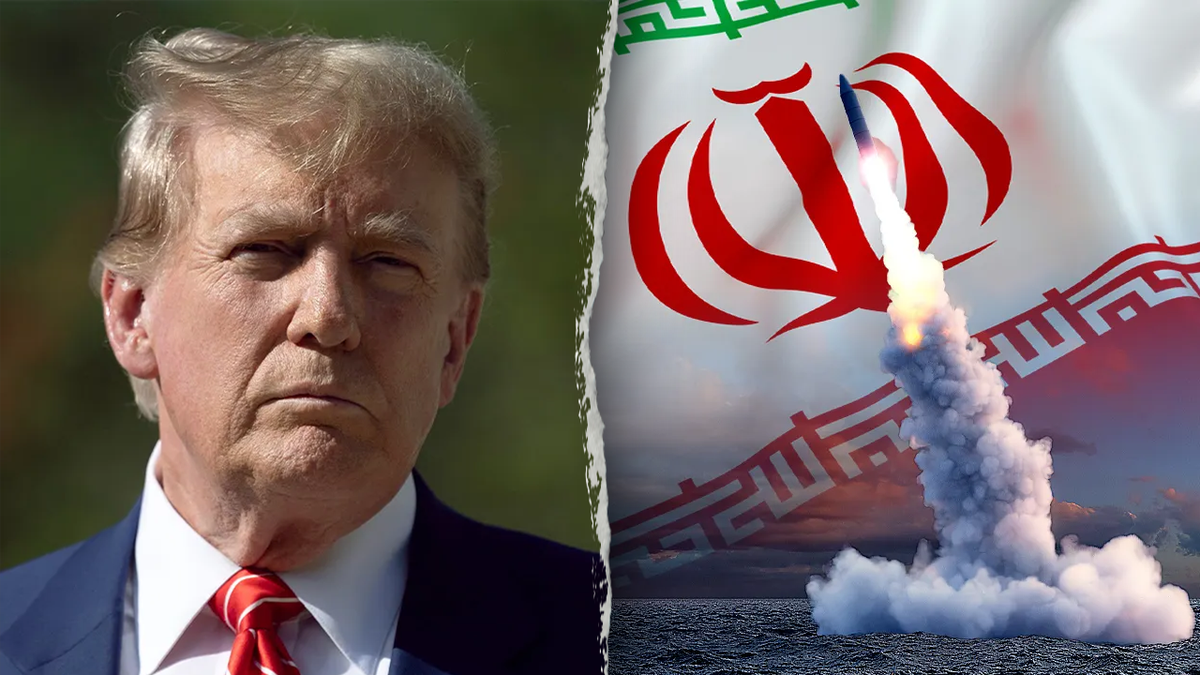
Donald Trump just set a Tuesday night deadline for Iran to reopen the Strait of Hormuz. If they don't, he's promising "Power Plant Day" and "Bridge Day"—a systematic demolition of Iran’s civilian infrastructure. He’s talking about wiping out a civilization, not just a government. It sounds tough on Truth Social, but in the real world of geopolitics, this kind of scorched-earth rhetoric usually blows back on the person screaming the loudest.
The problem isn't just the morality of targeting 90 million people. It's that this strategy is actively dismantling the very global influence the U.S. spent 80 years building. By threatening to "obliterate" the Iranian energy grid and fresh water plants, the administration isn't just fighting a regime; it's handing a victory to every rival looking for a reason to dump the American world order.
The Myth of the Quick Fix
Trump claims the entire country can be "taken out in one night." That’s a fantasy. History shows that when you bomb a population’s power and water, they don't usually turn on their leaders. They turn on you.
We saw this during the "Maximum Pressure" campaign in 2025 and the subsequent "Operation Midnight Hammer." Yes, Iran’s nuclear facilities were hit. Yes, their navy was crippled. But look at the result in 2026. The Strait of Hormuz is closed, global oil prices are screaming past $100 a barrel, and the Iranian regime is more defiant than ever. They’ve realized they can't win a conventional war, so they’re making sure everyone else loses too.
The U.S. Navy, despite its billion-dollar destroyers, is struggling. Decades of neglecting mine-sweeping capabilities have left tankers vulnerable to cheap Iranian sea mines and swarms of drones. Trump’s threats of "apocalyptic" destruction are a desperate attempt to mask the fact that the U.S. is stuck in a tactical cul-de-sac.
Why Our Allies are Quietly Bolting
If you want to know how bad this is for U.S. power, look at our friends. Spain just closed its airspace to U.S. planes involved in the conflict. The UK is letting us use bases, but only for "limited defensive purposes." Even the Gulf states—who hate the Iranian regime—are starting to panic.
- Collateral Damage: Iranian counter-strikes have already hit water desalination plants in Saudi Arabia and gas fields in Qatar.
- The Dependency Trap: These countries are tired of being the battlefield for a war they didn't start.
- Public Opinion: No Arab leader wants to be seen as a sidekick to a campaign that targets civilian power plants and bridges.
When the U.S. acts like a rogue state, it loses the "force multiplier" of its alliances. Without friendly basing agreements and intelligence sharing from Arab partners, our ability to project power in the Middle East evaporates. We’re trading long-term security for a temporary dopamine hit on social media.
The Legal and Economic Suicide
Targeting civilian infrastructure like power plants and bridges is a war crime under the Geneva Conventions. Trump’s team, led by Defense Secretary Pete Hegseth, laughs this off. They argue the U.S. isn't a ratified signatory to certain protocols. That might fly in a domestic briefing, but it's a disaster for the U.S. dollar and global trade.
If the U.S. openly violates international humanitarian law, it loses the moral authority to sanction others. Why should China or Russia follow "rules-based order" if the leader of that order is threatening to destroy a civilization of 90 million people?
China Is the Real Winner
While the U.S. is busy trying to bomb Iran back to the "Stone Age," China is waiting to pick up the pieces.
- Energy Dominance: China is positioning itself as the stable alternative in a world of high oil prices by accelerating its "electrostate" transition.
- Diplomatic Vacuum: Every time a U.S. ally like Spain or the UAE distances itself from Washington, Beijing is there with an infrastructure deal and a "non-interference" pledge.
- The Dollar Problem: Countries are already looking for ways to move oil proceeds without using U.S.-linked financial systems to avoid the splash damage of our sanctions.
What Happens on Wednesday morning
If the Tuesday deadline passes and the missiles fly, we aren't just hitting targets in Tehran. We're hitting the credibility of the U.S. military as a stabilizing force. If the Strait stays closed and the global economy tanks, the "America First" policy will have achieved the exact opposite: an isolated America in a world that’s learned to move on without it.
You should be watching the "Power Plant Day" outcome not just for explosions, but for the diplomatic statements from the EU and the movement of the yuan. If the U.S. follows through on these apocalyptic threats, the backfire won't just be regional—it'll be the end of the American century.
Start diversifying your news sources beyond the primary White House briefings. Track the specific movements of the U.S. Navy’s mine-countermeasures ships in the Persian Gulf. If those ships don't move, the "one night" victory is a bluff. If they do, prepare for a global energy shock that won't end with a Truth Social post.