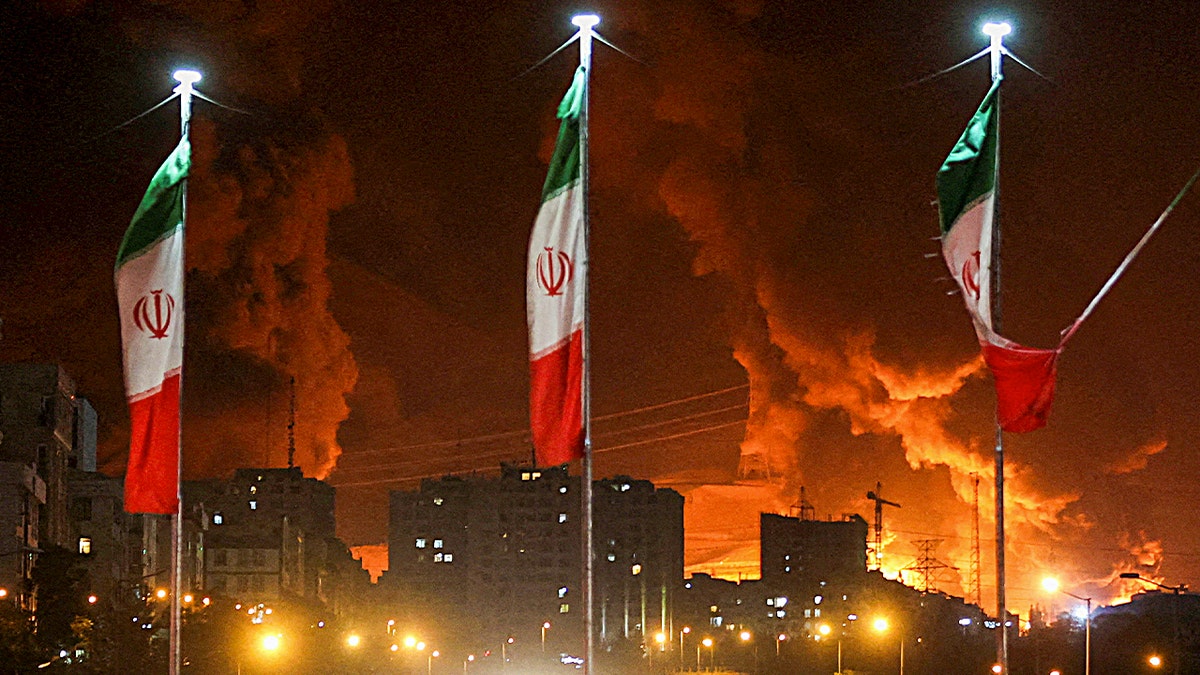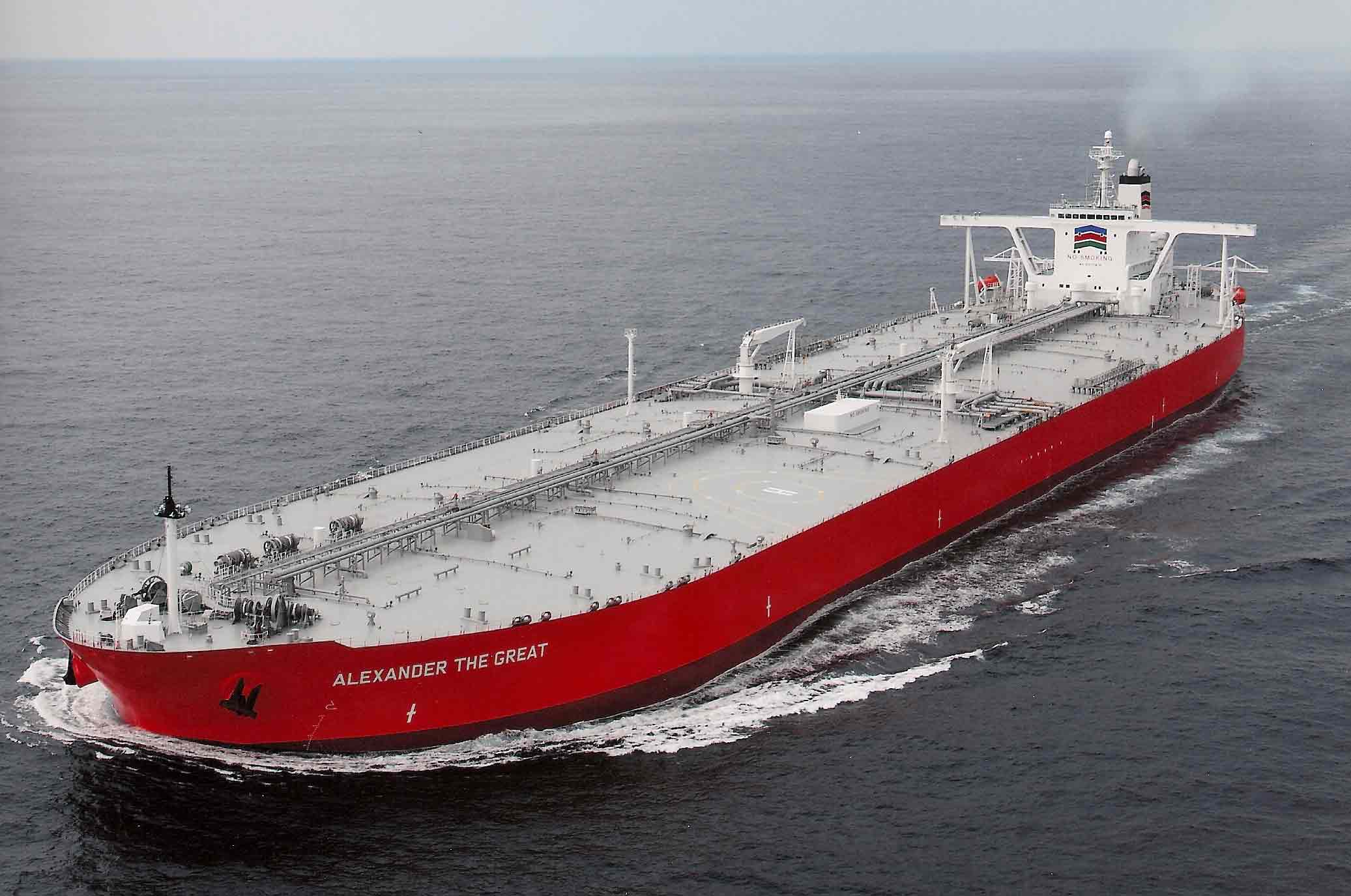
The sight of three massive oil tankers inching through the Strait of Hormuz isn't just a shipping update. It's a high-stakes stress test for a global economy that's been holding its breath since March. If you've been following the chaos, you know the Persian Gulf has basically been a no-go zone for weeks. But on April 11, 2026, the silence finally broke.
Two Chinese supertankers and a Greek vessel started making their move. This isn't just about moving six million barrels of oil. It’s about whether the fragile ceasefire between the U.S. and Iran is worth the paper it's written on. For the first time in over a month, we’re seeing "Very Large Crude Carriers" (VLCCs) test the waters—literally.
The ships that broke the silence
Let's look at the players. You’ve got the Cospearl Lake and the Yuan Hua Hu, both linked to China’s shipping giant, Cosco. Then there's the He Rong Hai. These aren't small boats; they’re the behemoths of the sea, each capable of carrying about two million barrels of crude.
For weeks, these ships were part of a "ghost fleet" anchored off the UAE, waiting for a sign that they wouldn't be blown out of the water. Their movement signals that Beijing is finally ready to gamble on the truce. Honestly, China has been feeling the squeeze more than they’d like to admit. Being the world's biggest oil importer means a closed Hormuz is a direct hit to their industrial heartland.
Why this isn't a normal Tuesday in the Gulf
Usually, about 21 million barrels of oil flow through this 21-mile-wide chokepoint every single day. That’s roughly 25% of the world’s seaborne oil. Since the conflict kicked off on February 28, that number plummeted toward zero.
Insurance rates for ships in the region didn't just go up—they became astronomical. Most shipowners simply refused to send their crews into a "shooting gallery" filled with sea mines and drone swarms. The fact that these three tankers are moving tells us three things:
- Permission has been granted: Iran is likely signaling "safe passage" to specific partners to show they can still control the tap.
- The "Northern Corridor" is the new reality: Vessels are reportedly being forced into IRGC-controlled lanes near Larak Island.
- China is leading the way: While Western firms are still terrified of the legal and physical risks, state-backed Chinese firms are taking the lead.
The ceasefire on thin ice
Don't let the movement fool you into thinking everything's back to normal. The U.S. and Iran are currently in Islamabad for peace talks, but the vibe is anything but peaceful. Vice President JD Vance and the U.S. delegation are pushing for strict monitoring, while the Iranian team, led by Mohammad-Bagher Ghalibaf, wants sanctions gone before they fully pull back their "maximum asymmetric retaliation."
The U.S. Navy has even started mine-clearing operations. That sounds good, right? Well, Iran has already called it a ceasefire violation. It’s a mess. If one of these tankers hits a stray mine—of which Iran has reportedly lost track—the whole deal goes up in flames.
What this means for your wallet
If these three ships make it through without incident, expect oil prices to lose some of that "fear premium." Brent crude has been hovering at painful levels, north of $120 a barrel, because the market priced in a total blockade.
But here’s the reality check: three tankers is a drop in the bucket. We need dozens of these a day to stabilize the market. Right now, it's a trickle, not a flood. We're looking at a "dual-corridor" system where navigation isn't free—it’s managed, taxed, and highly political.
What you should watch next
Keep an eye on the Jaham, a Saudi-flagged supertanker that’s also been idling nearby. If Saudi ships start moving alongside Chinese ones, then we have a real trend. Until then, these three tankers are just scouts in a very dangerous game.
If you're invested in energy or just worried about the price at the pump, watch the AIS (Automatic Identification System) signals of the ships near Larak Island. If they start making U-turns, the ceasefire is dead. If they keep heading east toward the open sea, we might actually avoid a global depression.
Check the news for any reports of "freedom of navigation" exercises by the U.S. Navy. In this environment, a show of force is often the quickest way to end a fragile truce. For now, the world is watching three GPS dots move slowly across a screen, hoping they don't disappear.