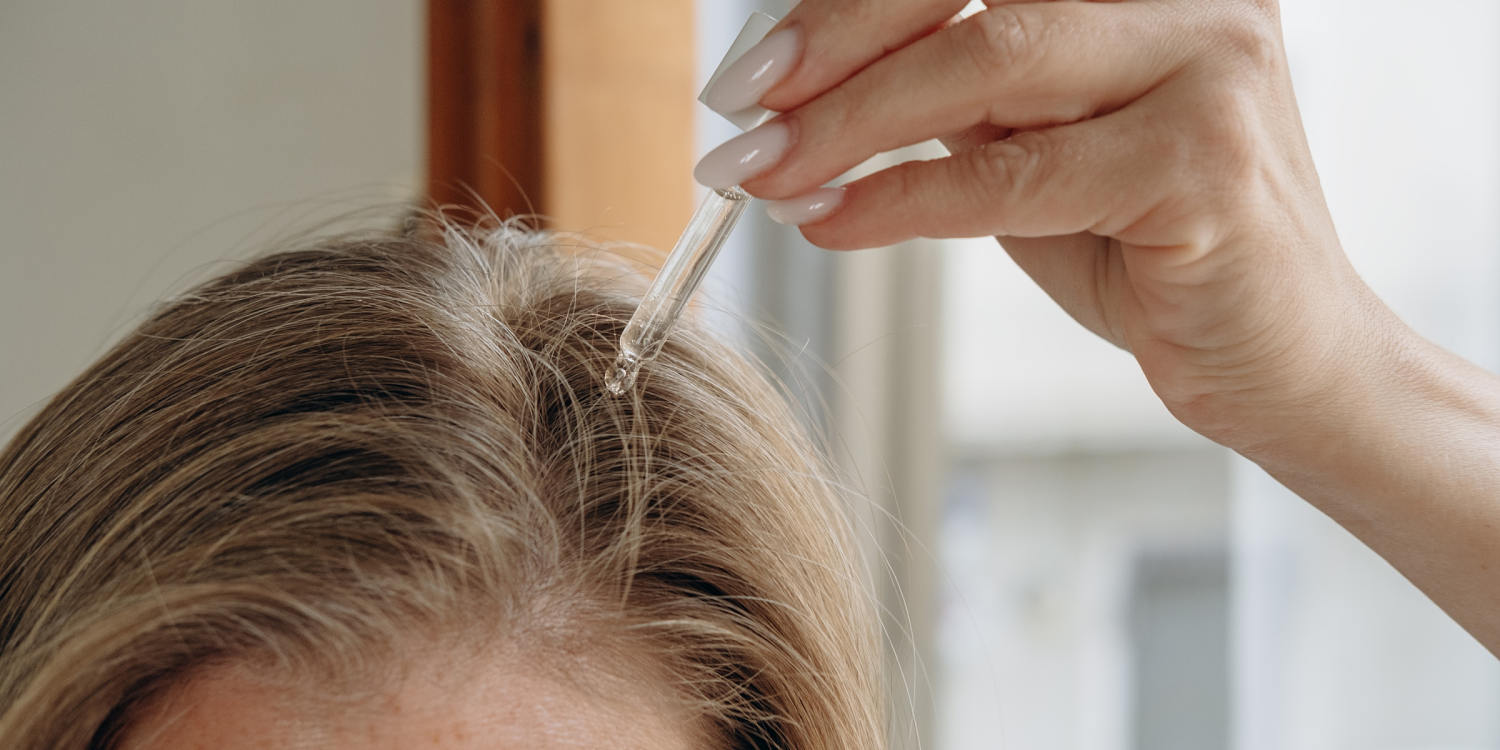
You notice more strands on your pillow. You count the hairs wrapping around your fingers in the shower. Panic sets in, and you immediately search for a quick fix. The internet throws a wall of expensive bottles at you, promising miracles in a pump. Most of them are selling expensive scented water.
If you want real change for thinning hair, you have to separate clever marketing from actual biological mechanism. Shampoos alone won't reverse pattern baldness. They can't resurrect dead follicles. What they can do is create an optimal scalp environment, clear out follicle-choking sebum, and give fine strands temporary structural volume. If you found value in this piece, you should check out: this related article.
Let's look at what works, what wastes your money, and how to build a routine that actually moves the needle.
The Chemistry of Scalp Care
Your hair grows from follicles anchored deep beneath the skin. When those follicles experience miniaturization due to hormones, genetics, or inflammation, they shrink. The hairs they produce become finer, shorter, and eventually stop growing altogether. For another perspective on this development, see the latest update from Healthline.
A standard volumizing shampoo coats the hair shaft in heavy polymers. It makes your hair feel thick for a few hours, but it weighs fine strands down by afternoon. A targeted thinning-hair shampoo takes a different route. It focuses on the skin on your head.
Ingredients like saw palmetto help block local DHT activity at the root level. Caffeine and rosemary oil act as local stimulants, boosting microcirculation to deliver oxygen and nutrients straight to the dermal papilla. Ketoconazole, commonly found in anti-dandruff formulas, reduces scalp inflammation that accelerates shedding.
If you buy a product, look at the active ingredient list before you check the brand name. If biotin or saw palmetto is sitting at the very bottom of the ingredient deck, below the fragrance, you are paying for perfume.
The Shampoos Worth Your Money
You don't need a twenty-step routine, but you do need products formulated with purpose.
Options like Nutrafol Root Purifier or Hims Thick Fix lean heavily on gentle surfactants paired with active botanicals. They strip away excess sebum without leaving your scalp stripped raw. For those dealing with oily roots and early shedding, formulas containing rosemary extract or peptide complexes offer genuine scalp support without heavy residue.
If you are dealing with aggressive thinning or pattern hair loss, a cosmetic shampoo is only your supporting actor. The heavy lifting requires clinical topicals like minoxidil or prescription blockers. Shampoos simply prep the canvas so those treatments can penetrate effectively.
The Technique Matters More Than the Bottle
You can buy the most expensive growth shampoo on the market, and it will fail if you use it like body wash. Most people lather for ten seconds and rinse. That gives active ingredients zero contact time.
Massaging your shampoo into the scalp for a full sixty seconds changes everything. This mechanical action stimulates blood flow independently of any chemical additive. It breaks down micro-adhesions in the scalp tissue and ensures the active compounds actually touch the skin long enough to absorb.
Conditioning also requires a strategy shift. If you have fine or thinning hair, slapping heavy conditioner onto your roots flattens your style instantly. Apply conditioner strictly from the mid-lengths to the ends. Give your roots the slip they need to prevent snapping, but keep heavy oils away from the skin.
Patience and Consistency
Real physiological changes take time. Your hair grows roughly half an inch a month. When you introduce a new shampoo, topical treatment, or routine, your hair follicles need at least eight to twelve weeks to adjust and reflect that change in the mirror.
Stop hunting for a magic bullet that fixes your hair overnight. Clean up your scalp health, commit to proper washing technique, and give your routine the quarter-year it needs to prove itself.