Thermal Stress Economics Why Western Europe Infrastructure Breaks Under Heat Waves
Record-breaking temperatures across Western Europe expose a structural vulnerability in regional civil engineering and economic planning. The core failure is not meteorological; it is systemic. When atmospheric pressure domes lock stagnant hot air over populations, standard operational models for power grids, transportation networks, and public health systems fail simultaneously. Standard reporting frames these events as temporary anomalies, but repeated thermal extremes represent predictable stress tests that modern continental infrastructure consistently fails.
Understanding why these heat waves cause disproportionate socioeconomic disruption requires analyzing the compounding mechanics of high ambient temperatures on dense urban environments, aging utility grids, and non-acclimatized labor pools. If you enjoyed this post, you should look at: this related article.
The Thermodynamic Bottleneck of European Urban Design
European cities feature high thermal mass density combined with low baseline cooling capacity. Nineteenth-century stone architecture, narrow street configurations, and limited green cover create localized microclimates that trap heat. This urban heat island effect elevates nocturnal temperatures, preventing structural cooling and extending human thermal stress across a 24-hour cycle.
Incoming Solar Radiation -> Urban Mass Absorption (Stone/Asphalt) -> Low Albedo Retention -> Elevated Nighttime Ambient Baselines
The thermodynamic cost of this design is severe. Buildings function as thermal capacitors. Without continuous mechanical cooling, interior temperatures exceed ambient outdoor maximums over consecutive days of high insolation. Traditional ventilation strategies rely on diurnal temperature drops. When nighttime lows remain above 20 degrees Celsius, this passive cooling mechanism breaks down entirely. For another look on this story, check out the latest update from BBC News.
Material Limitations in Transport Corridors
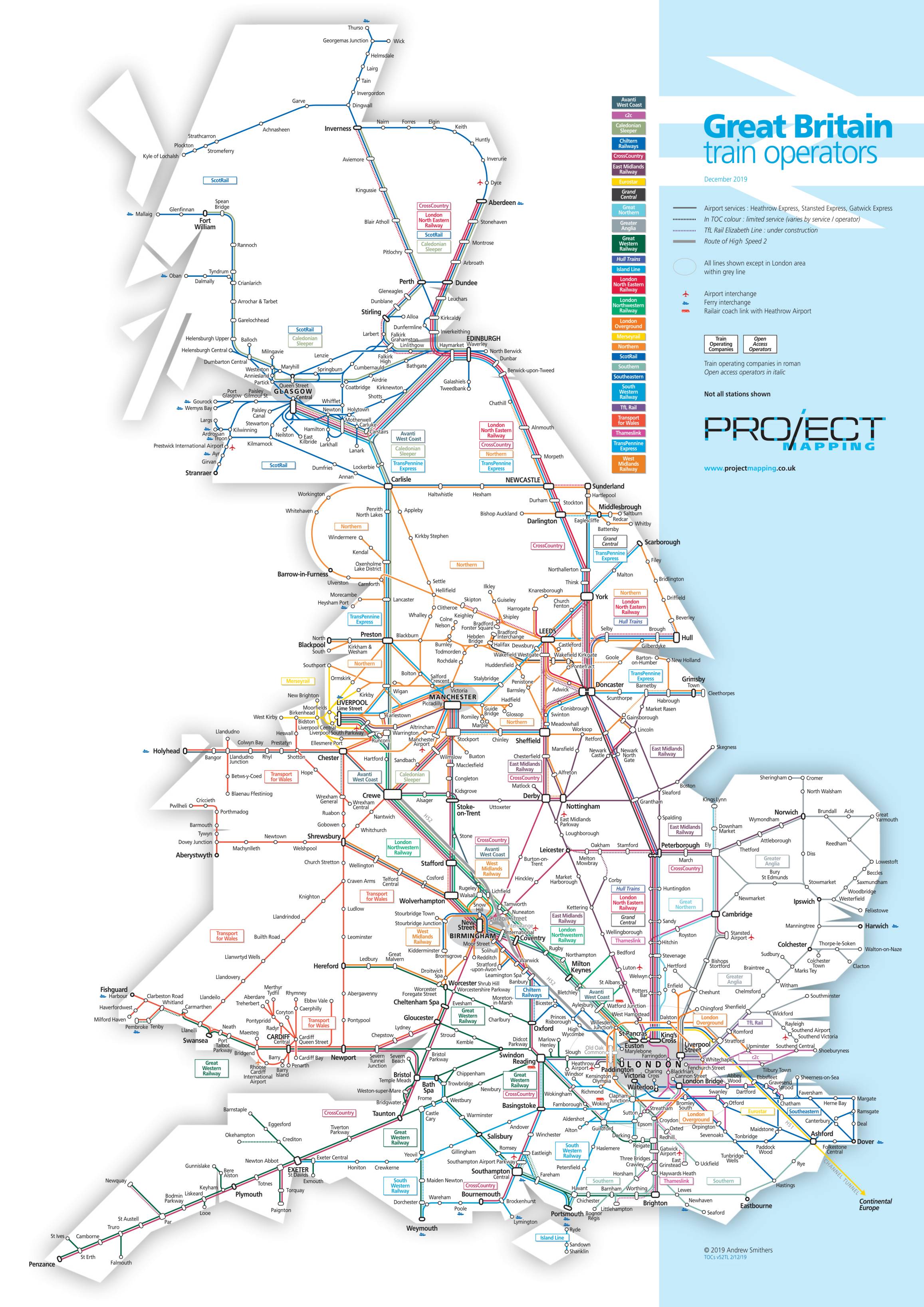
Rail networks and asphalt roadways operate within strict thermal tolerance windows. Steel tracks exposed to solar radiation absorb heat far exceeding ambient air temperature, leading to longitudinal expansion and structural buckling known as sun kinks. Engineers mitigate this by imposing speed restrictions, which reduce kinetic friction and dynamic loading on the rails. However, these speed restrictions cascade through passenger and freight logistics networks, creating widespread capacity bottlenecks.
Asphalt surfaces soften under prolonged extreme heat, losing shear strength under heavy vehicular traffic. Rutting and displacement compromise road geometry, requiring intensive restorative maintenance that further restricts logistical flow during peak demand periods.
The Grid Load Function and Peak Demand Mismatch
Electrical grids in Western Europe were historically designed for winter peak heating loads rather than summer cooling loads. The rapid adoption of residential and commercial air conditioning alters the load duration curve.
- Baseload Generation Constraints: Nuclear and thermal power plants require cooling water drawn from rivers such as the Rhine and the Rhone. When river temperatures rise, regulatory limits prevent plants from discharging warm water back into the environment, forcing operators to curtail output precisely when electricity demand reaches its maximum.
- Transmission Efficiency Losses: High ambient temperatures increase electrical resistance in transmission lines. Power loss across high-voltage distribution networks scales with temperature, reducing the net delivery capacity of regional grids during high-demand events.
- Distribution Transformer Failure: Substation transformers rely on ambient air or oil circulation for thermal dissipation. Continuous high loads combined with elevated ambient temperatures accelerate insulation degradation, leading to localized outages that compromise critical urban services.
This creates a negative feedback loop: rising temperatures increase cooling demand, which drives up grid load, which strains infrastructure capacity, leading to localized brownouts that disable mechanical climate control systems in residential and healthcare facilities.
Public Health System Stress and Morbidity Mechanics
Human thermoregulation relies on cutaneous vasodilation and eccrine sweat evaporation. When ambient temperatures approach skin temperature and humidity remains elevated, evaporative cooling fails. The physiological cost manifests as hyperthermia, electrolyte imbalance, and acute cardiovascular strain as the heart increases cardiac output to maintain blood pressure while perfusing the skin for heat dissipation.
Vulnerable demographics, particularly the urban elderly and those with preexisting respiratory or renal conditions, lack physiological resilience to sustained thermal stress. The mortality spike observed during intense European heat waves is largely displaced mortality, disproportionately affecting individuals whose baseline physiological reserves are already compromised.
Hospital admissions surge not due to direct thermal injury alone, but through the acute exacerbation of chronic systemic illnesses. Healthcare facilities, many lacking comprehensive climate control infrastructure, face concurrent operational strains as internal temperatures rise, compounding clinical risks for admitted patients.
Labor Productivity Depreciation
Economic output contracts during extreme heat events through direct physiological impairment of the workforce. Cognitive function, fine motor skills, and sustained attention degrade when core body temperature rises. Manual labor sectors, including construction, agriculture, and outdoor logistics, experience mandatory work stoppages or severe pacing reductions to prevent heat illness.
The economic loss cannot be measured solely by hours lost. Error rates in complex tasks increase, material waste rises, and project timelines extend. Economies heavily reliant on service sectors experience secondary disruptions as consumer mobility drops during peak daylight hours, reducing foot traffic in retail and hospitality zones.
Strategic Capital Allocation for Thermal Resilience
Mitigating future extreme temperature shocks requires moving away from reactive emergency response frameworks toward long-term structural hardening. Capital allocation must pivot across three operational vectors:
- Passive Urban Retrofitting: Implementing high-albedo roofing materials, expanding permeable green spaces to disrupt urban heat islands, and mandating thermal mass reduction in new commercial construction permits.
- Grid Decentralization and Storage: Integrating distributed photovoltaic generation with battery storage systems to shave peak air-conditioning loads and provide microgrid resilience during centralized transmission failures.
- Transport Infrastructure Re-engineering: Investing in ballast stabilization, continuous rail stress monitoring systems, and heat-resistant polymer-modified binders for asphalt roadways to eliminate thermal speed restrictions.
Failing to execute these structural adjustments guarantees that recurring temperature extremes will continue to trigger cascading systemic failures across the continent, transforming predictable meteorological events into recurring economic and humanitarian crises.
:max_bytes(150000):strip_icc()/ar-American-Cheese-taste-test-horizon-4x3-54cc339550cd44b9a818c17bdfd5428d.jpg)