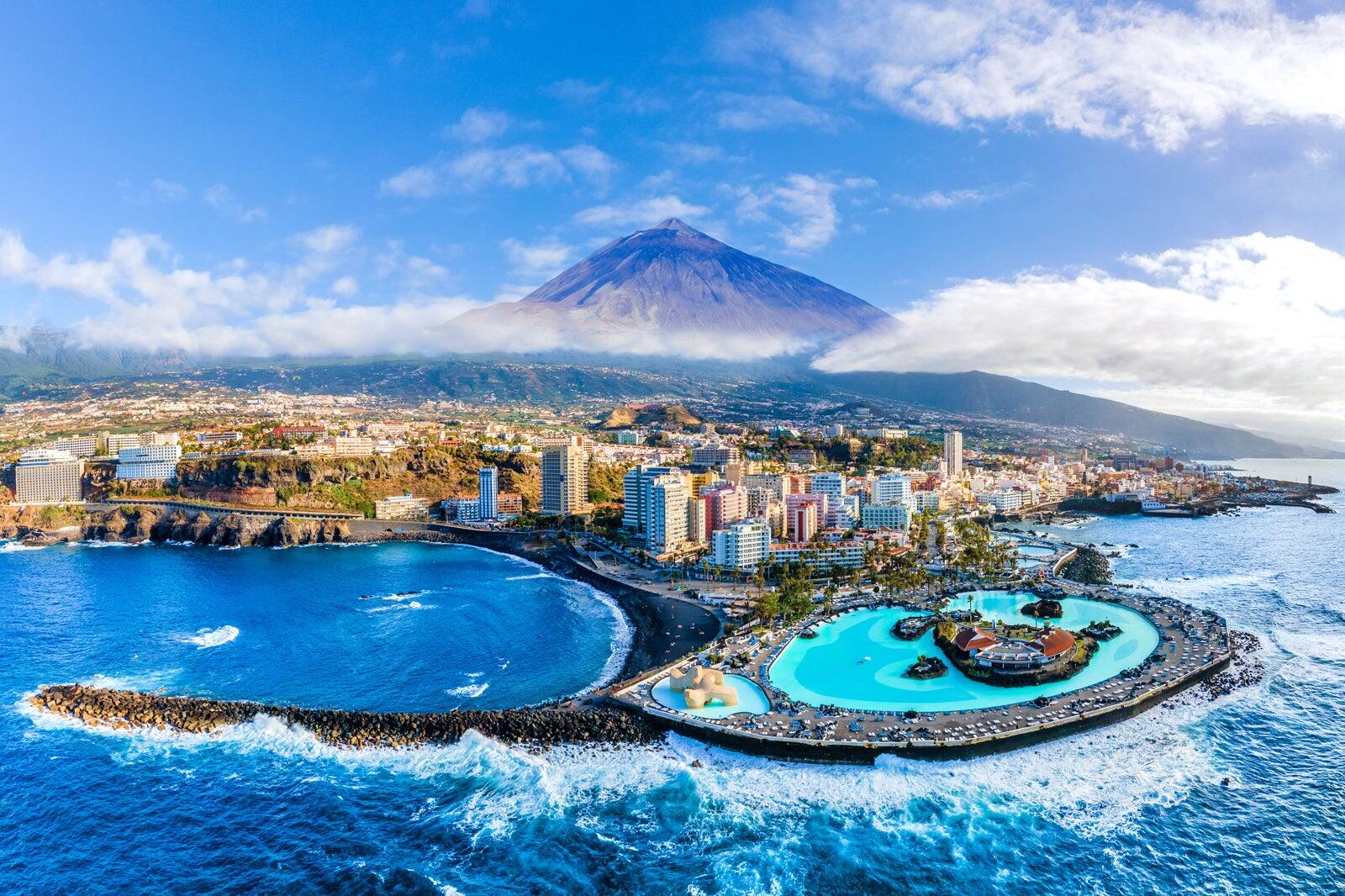
The arrival of the cruise liner MS Europe in Santa Cruz de Tenerife was not the sun-drenched holiday finale promised in the brochures. Instead, the vessel hit the pier under a cloud of biological anxiety as Spanish health authorities and the World Health Organization (WHO) initiated an emergency evacuation of passengers following an outbreak of Hantavirus. This is not a common sea-faring ailment like Norovirus. It is a severe respiratory and hemorrhagic threat that has exposed a massive, systemic vulnerability in how the cruise industry manages rare pathogens.
While the immediate focus remains on the evacuation of the nearly 1,500 passengers and crew, the real story lies in the breakdown of containment between the ship’s last port of call and its arrival in the Canary Islands. Initial reports suggest that the infection may have originated from contaminated food stores or a rodent infestation in the lower decks, but the speed at which the virus bypassed standard screening measures is what should keep industry executives awake at night.
The Viral Breach at Sea
Hantaviruses are typically transmitted through contact with the urine, feces, or saliva of infected rodents. On a modern cruise ship—essentially a floating luxury city—the idea of a rodent problem seems archaic. Yet, the maritime environment remains a constant battle against stowaways. When these rodents carry Hantavirus Pulmonary Syndrome (HPS), the stakes move from a sanitation nuisance to a life-and-death struggle.
The MS Europe situation is particularly grim because Hantavirus is not usually characterized by human-to-human transmission, with the notable exception of the Andes strain found in South America. If the WHO is treating this as a high-risk evacuation, it suggests they are either dealing with an aggressive strain or a massive point-source contamination that has affected a significant percentage of the manifest.
Spanish officials have established a "corridor of exclusion" at the Tenerife port. Passengers are being moved directly from the gangway to specialized isolation units. This is a logistical nightmare. Every suitcase, every handrail, and every ventilation duct is now a potential forensic site. The industry’s reliance on "sanitization theater"—hand sanitizer stations and surface wipes—is useless against a pathogen that may have been circulating through the ship’s complex HVAC systems.
Why Maritime Screening Failed
The maritime industry operates on a thin margin of time. Ships must dock, unload, clean, and reload within hours to maintain profitability. This pressure creates a massive blind spot in health surveillance. Current protocols rely heavily on "passive reporting," where passengers are expected to disclose symptoms.
The Incubation Trap
Hantavirus symptoms can take one to eight weeks to manifest. A passenger could board in South America, enjoy a two-week Atlantic crossing, and only begin to feel the crushing fatigue and muscle aches as the ship nears European waters. By that time, they have shared dining tables, elevators, and theater seating with hundreds of others.
The failure here is not just medical; it is data-driven. We have the technology to monitor wastewater on ships for viral loads in real-time. We have the ability to track air quality and particulate matter that might indicate a biological breach. Most lines refuse to invest in these systems because they fear the "false positive" that could lead to a million-dollar port delay. Tenerife is the price of that hesitation.
The WHO Intervention
The involvement of the World Health Organization is the clearest indicator that this is not a routine medical diversion. Under the International Health Regulations (IHR), the WHO only steps in when an event has the potential for international spread or requires a coordinated global response.
By taking the lead, the WHO is effectively sidelining the cruise line's internal medical teams. This move signals a lack of confidence in the private sector's ability to self-regulate during a high-consequence biological event. The evacuation in Tenerife is being handled with "Level 4" precautions—biohazard suits, pressurized transport pods, and rigorous decontamination.
Economic Fallout and the Canary Islands Precedent
Tenerife is a hub for Atlantic tourism. By allowing the MS Europe to dock, Spain took a calculated risk to prevent a humanitarian crisis at sea. However, the local economy now faces the stigma of being the "Hantavirus port."
The maritime insurance industry is already recalculating. We are likely to see a surge in premiums for "Interruption of Voyage" coverage, but more importantly, we might see the introduction of mandatory biological manifests. Just as cargo is inspected for invasive species, passengers and ship environments may soon face mandatory, automated biological screening before entering territorial waters.
The Cost of Silence
For days, rumors swirled on social media from passengers using the ship’s Wi-Fi. They spoke of cordoned-off hallways and crew members in masks long before the official announcement. This lag in communication is a relic of an older PR playbook that no longer works in a connected world. By trying to "manage the narrative," the cruise line allowed fear to outpace the facts, leading to the frantic scenes currently unfolding on the Tenerife docks.
Technical Realities of Hantavirus Decontamination
Clearing a ship of Hantavirus is not as simple as spraying bleach. The virus can persist in dust and dried excreta. To truly "clear" the MS Europe, the vessel will likely need to be stripped to its bulkheads in certain sections.
- HVAC Overhaul: High-efficiency particulate air (HEPA) filtration systems must be inspected and likely replaced.
- Vector Control: A complete thermal imaging sweep of the ship to identify rodent nests hidden in the miles of wiring and plumbing.
- Surface Porosity: Soft furnishings in cabins—pillows, mattresses, and carpets—act as reservoirs for viral particles. Most will have to be incinerated.
The financial hit from the physical cleaning alone will be staggering, but the loss of the ship's "identity" is worse. Once a vessel is labeled a "plague ship," it rarely recovers its status in the premium market.
The Hard Truth of Global Transit
This crisis is a reminder that the speed of global travel has outpaced the speed of our biological defenses. We move bodies across oceans faster than most viruses can complete an incubation cycle.
The evacuation in Tenerife isn't just a local emergency. It is a dress rehearsal for the next major leap in zoonotic diseases. If we cannot contain a known, rodent-borne virus on a controlled environment like a cruise ship, our chances of managing a more elusive airborne pathogen in a major international airport are slim.
The "Tenerife Protocol" being written right now on the docks will likely become the new standard for maritime law. It will involve less "hospitality" and much more "biosecurity." The era of the cruise ship as a lawless, floating bubble is over. From here on out, every ship is a potential bio-incubator, and the authorities in Spain are the first to treat them as such.
Immediate Steps for the Industry
- Automated Wastewater Surveillance: Implement mandatory PCR testing of ship greywater at 48-hour intervals to detect pathogen spikes before symptoms appear.
- Redundant HVAC Zoning: Redesign ship ventilation to prevent "cross-talk" between passenger decks and crew quarters, ensuring a localized outbreak stays localized.
- Third-Party Health Audits: Move away from self-reporting and toward unannounced, independent biological inspections at every major port.
The passengers being offloaded in Tenerife are entering a world of testing, isolation, and uncertainty. They are the casualties of a system that prioritized the aesthetic of safety over the cold, hard science of epidemiology. The cruise industry must decide if it is in the business of vacations or the business of risk management. Because right now, the two are tragically intertwined.
The dock at Santa Cruz is quiet, save for the hum of decontaminants and the sirens of waiting ambulances. The sun is shining, but the holiday is over. The MS Europe sits as a steel monument to the arrogance of modern logistics. We thought we had conquered the pests of the old world, but they simply found better ways to travel.