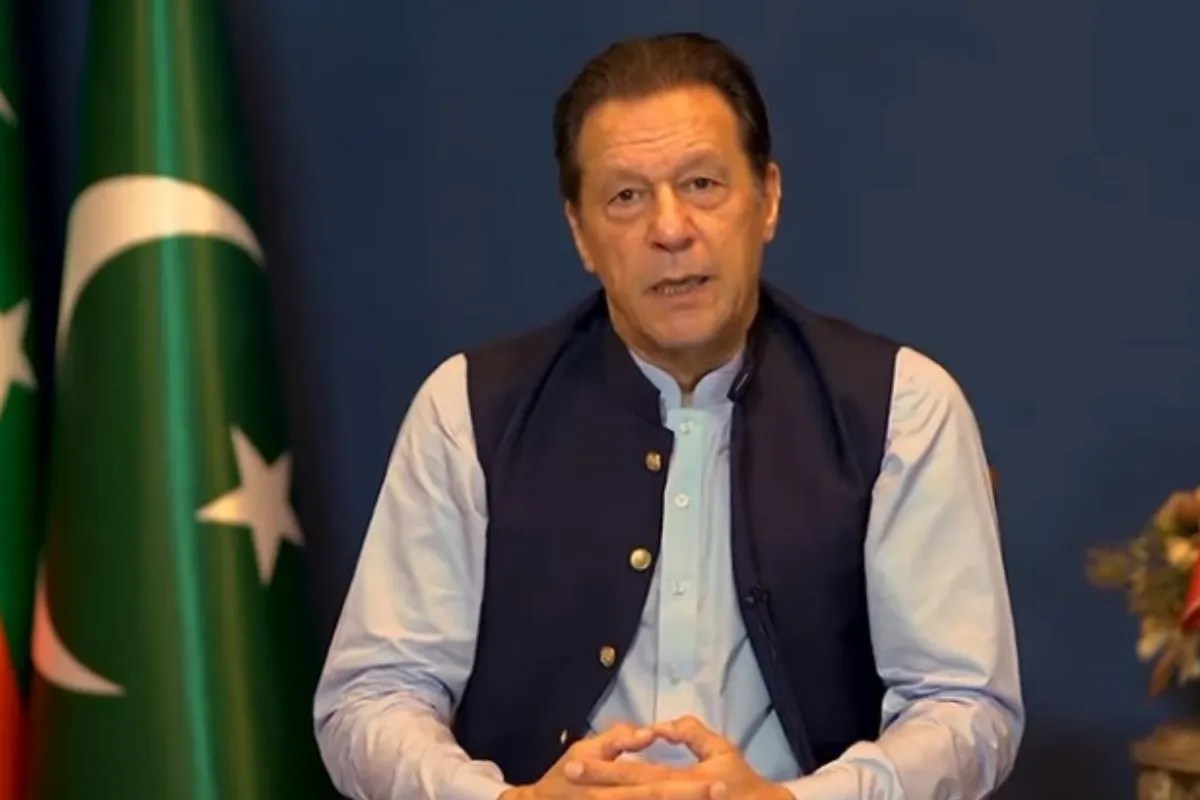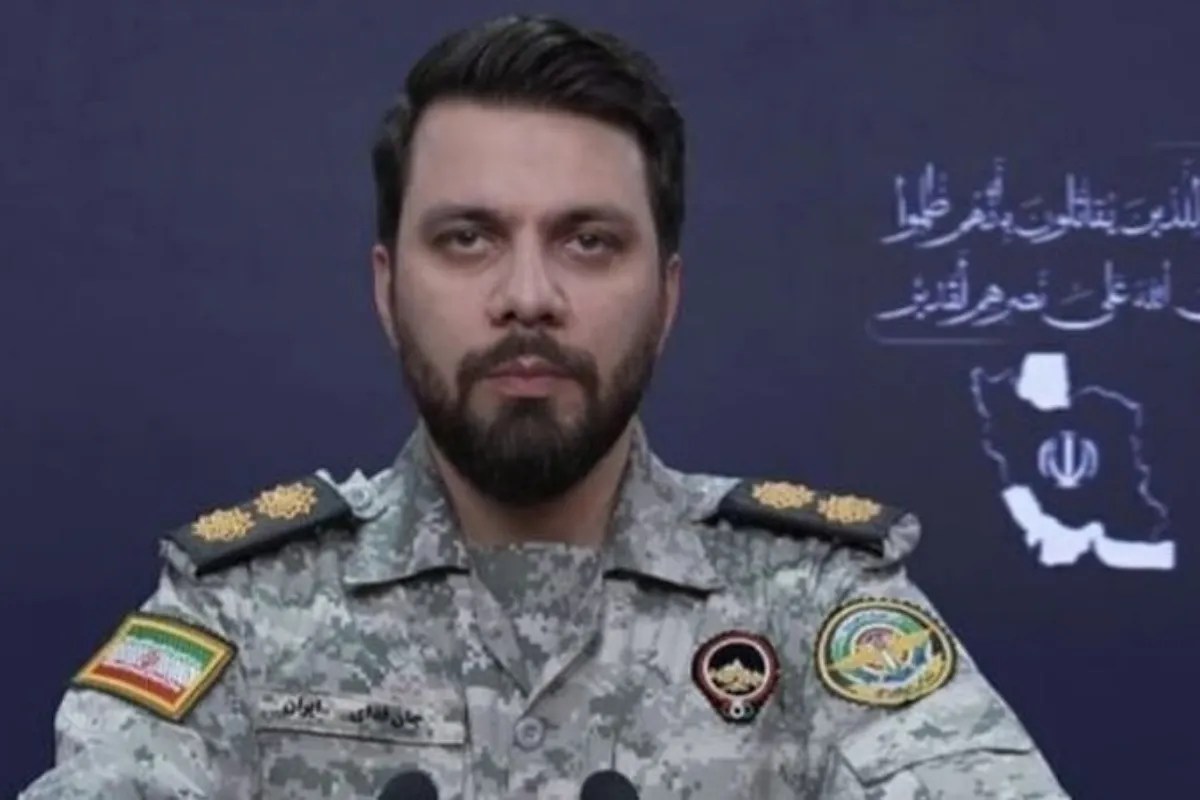
Every time Tehran issues another blood-curdling warning about devastating retaliation against American assets or regional allies, the global media treats it like a countdown to World War III. Headlines scream about imminent missile barrages and proxy escalation. Analysts on cable news furrow their brows and debate the exact tonnage of high explosives ready to drop across the Middle East. It is loud, predictable, and entirely detached from how modern statecraft actually functions.
The lazy consensus says that Iran operates on a perpetual hair-trigger, fueled by ideological fervor and a desire for apocalyptic escalation. The lazy consensus is wrong.
Strip away the Friday sermon rhetoric and the orchestrated flag-burning ceremonies, and you find a regime playing a ruthlessly pragmatic, highly defensive game of geopolitical survival. Tehran does not want a direct, total war with the United States or its heavily armed neighbors. A conventional military collision would destroy the Islamic Republic's infrastructure within forty-eight hours. The regime knows this better than anyone else.
The Economics of Calculated Noise
To understand Iranian defense strategy, you have to look past the theatrics and examine the balance sheet. Running a sanctioned economy under maximum pressure leaves very little room for actual, full-scale military adventurism. Direct conflict is financial suicide.
When state media broadcasts footage of underground missile cities or threatens to erase regional capitals, they are not signaling an attack. They are managing domestic optics and maintaining deterrence on the cheap. Screaming from the rooftops costs pennies. Building an actual blue-water navy or modernizing an air force of aging 1970s jets costs billions.
We have seen this script play out across decades. The threats serve as a political valve. They redirect internal economic frustration outward while signaling to Washington that any direct decapitation strike will come with a messy, asymmetrical price tag in the Strait of Hormuz. It is a protection racket built on volume rather than substance.
Asymmetry Is Not Omnipotence
Another favorite myth of the foreign policy establishment is that Iran commands an unstoppable, synchronized axis of resistance capable of shutting down global commerce at will. The reality on the ground is far messier.
Yes, the network of regional militias—from Lebanon to Yemen and Iraq—gives Tehran valuable depth and deniability. But these groups are not remote-controlled robots executing master plans from a bunker in Tehran. They have their own local agendas, internal rivalries, and survival instincts. When a proxy group oversteps and triggers a massive counter-strike, it often creates administrative and financial headaches for Iran's central command rather than strategic victories.
Treating the axis as a monolithic superpower grants them an aura of competence they frequently do not possess. Localized drone strikes and harassment operations in shipping lanes are irritants, not existential threats to global superpowers. They cause spikes in insurance premiums and temporary logistical rerouting, but they do not alter the fundamental military balance of power.
Why Washington Loves the Boogeyman
The irony of this geopolitical theater is that both sides secretly benefit from the noise.
For Washington and its regional allies, an exaggerated Iranian threat justifies endless defense budgets, multi-billion-dollar arms sales, and a permanent security architecture in the Gulf. If the threat were neutralized or exposed as largely toothless hollow bluster, defense contractors would lose their favorite sales pitch, and politicians would lose a convenient scapegoat for domestic distractions.
Meanwhile, Tehran uses the permanent state of external tension to justify domestic crackdowns, silence reformers, and centralize control around the security apparatus. Both leadership structures rely on each other's hostility to maintain internal discipline.
Stop looking at the press releases. Start looking at the logistics. The next time a fiery speech emerges from Tehran promising fiery annihilation, remember that barking dogs rarely bite when they know the fence is electrified. The real danger has never been the noise. It is the silence you do not hear coming.