The Brinkmanship in the Strait
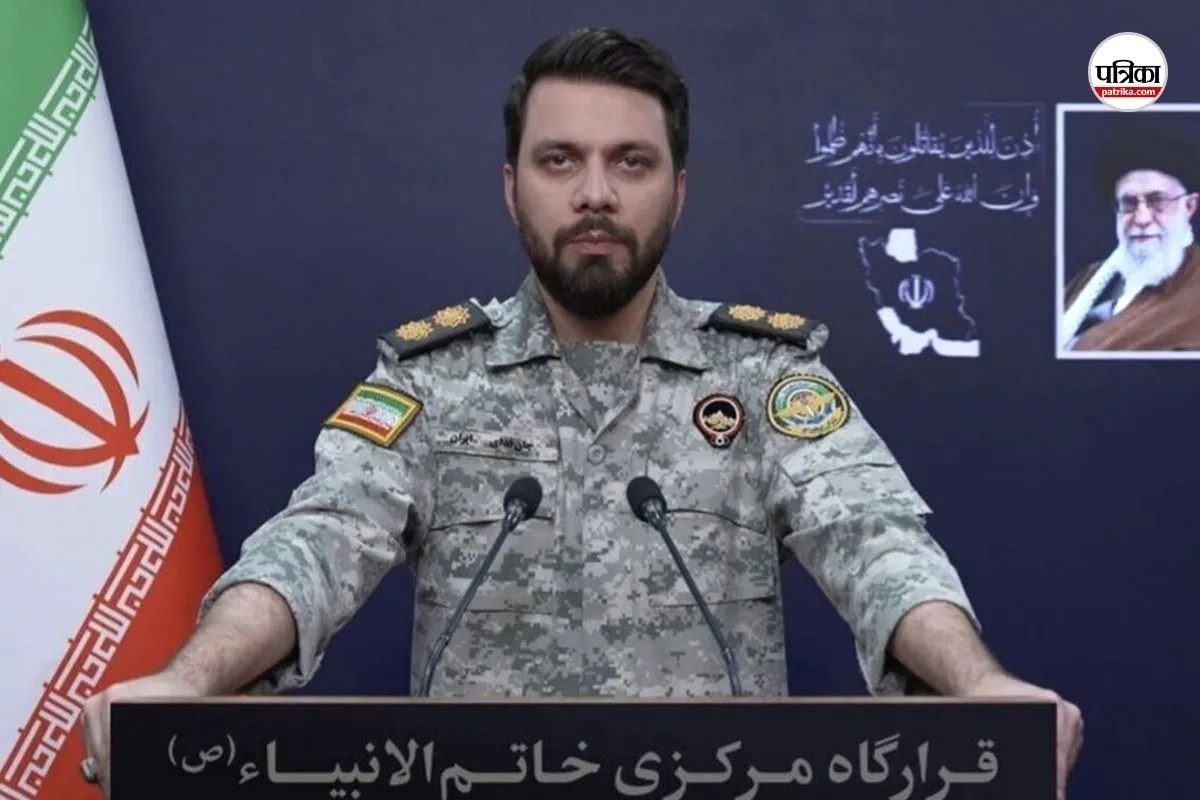
Iran is once again swinging its heaviest hammer in the Persian Gulf. While diplomats in shadowy hotel suites attempt to bridge the gap between Washington and Tehran, the Islamic Revolutionary Guard Corps (IRGC) has issued a blunt, aggressive warning to foreign warships navigating the Strait of Hormuz. This is not merely routine saber-rattling. It is a calculated signal that Iran is prepared to trade regional stability for political leverage. The threat is clear. Any perceived violation of Iranian maritime boundaries or "provocative" movement by American vessels will meet a crushing response.
The timing is the tell. This surge in hostility occurs exactly when Western powers are pushing for a de-escalation of Iran’s nuclear program and its regional proxy wars. By threatening the world's most vital oil chokepoint, Tehran reminds the White House that while the U.S. can freeze bank accounts, Iran can freeze the global energy market. Roughly one-fifth of the world’s liquid petroleum passes through this narrow stretch of water daily. A single miscalculation here doesn't just start a localized skirmish; it triggers a global economic shockwave.
The Mechanics of Maritime Harassment
The IRGC Navy operates on a doctrine of asymmetric warfare. They don't need a blue-water fleet to dominate the Strait. Instead, they use a swarm of fast-attack craft, anti-ship missiles, and sophisticated mining capabilities to turn the waterway into a kill zone. These recent warnings are designed to establish a "new normal" where international transit is subject to Iranian whim.
Recent encounters show a pattern. Iranian vessels often approach U.S. destroyers at high speeds, ignoring radio hails and maneuvering within dozens of yards of the hulls. It is a game of high-stakes chicken. The goal is to force a reaction. If a U.S. commander fires, Tehran paints the West as the aggressor. If the U.S. yields, Tehran claims victory over the "Great Satan." This tactical flexibility allows the Iranian leadership to maintain domestic support while testing the limits of American patience.
The Nuclear Shadow
Underneath the maritime threats lies the stalled nuclear negotiation. Tehran has historically used military escalations to force concessions at the bargaining table. By increasing the risk of a kinetic conflict in the Gulf, they aim to make the price of sanctions too high for the West to maintain. The message to Washington is simple: if you want safety in the Strait, you must pay for it with sanctions relief.
However, this strategy carries immense risk. The U.S. Fifth Fleet, based in Bahrain, has significantly bolstered its monitoring and response capabilities. The introduction of unmanned surface vessels and AI-driven surveillance has stripped away much of the IRGC's ability to move in secret. The "dark" movements of the past are now televised in high definition to the Pentagon, narrowing the window for Iranian plausible deniability.
The Economic Weaponization of Geography
The Strait of Hormuz is only 21 miles wide at its narrowest point. The shipping lanes themselves are only two miles wide in either direction. This geography is Iran’s greatest natural resource, and they are weaponizing it with surgical precision. When an IRGC commander speaks of "hard action," he is talking about the ability to sink a VLCC (Very Large Crude Carrier) and effectively block the lane with wreckage and environmental catastrophe.
- Global Oil Supply: A shutdown of the Strait could send crude prices soaring past 150 dollars a barrel within forty-eight hours.
- Regional Insurance: Shipping insurance premiums for tankers in the Gulf have already hit record highs, adding a "war tax" to every gallon of gas sold in the West.
- Supply Chain Fragility: The world is still recovering from post-pandemic bottlenecks. A maritime conflict would sever the primary artery for energy flow to East Asia and Europe.
Internal Pressures and External Posturing
The IRGC’s aggression is often a reflection of internal Iranian politics. The hardliners within the regime are deeply suspicious of any diplomatic outreach to the West. By asserting dominance in the Strait, the IRGC demonstrates to the Iranian public—and to the Supreme Leader—that they remain the ultimate defenders of the revolution, regardless of what the foreign ministry says in Geneva or New York.
The "warning" issued to military ships is also a response to the increased presence of a multinational coalition aimed at protecting merchant vessels. Iran views these patrols as an infringement on its "lake." They argue that regional security should be handled by regional players, which is a thinly veiled way of saying they want total control over the flow of energy.
The Failure of Deterrence
For years, the West has relied on a policy of "calculated ambiguity" to keep the Strait open. The U.S. maintains enough force to win a war, but not enough to provoke one. This balance is failing. Iran has realized that the U.S. has little appetite for another protracted conflict in the Middle East, especially with resources being diverted to Eastern Europe and the Indo-Pacific.
This perceived vacuum of will encourages the IRGC. They are betting that the U.S. will grumble and issue diplomatic protests but will ultimately refrain from sinking Iranian ships. It is a dangerous gamble. In the tight confines of the Strait, the line between a "warning" and a "declaration of war" is measured in seconds and yards.
A Fragmented International Response
The international community is far from united on how to handle these threats. While the U.S. and U.K. favor a hardline military posture, many European and Asian nations—heavily dependent on Gulf oil—are terrified of any escalation. They often pressure Washington to exercise restraint, which Tehran interprets as a green light for further provocation.
China, the largest buyer of Iranian oil, occupies a unique position. While Beijing needs the Strait to remain open, they also benefit from the U.S. being bogged down in Middle Eastern security dilemmas. This creates a complex geopolitical triangle where Iran can play the great powers against each other, ensuring that no truly unified "hard action" is ever taken against them for their maritime bullying.
Tactical Reality vs. Political Rhetoric
We must distinguish between what Iran says it will do and what it can actually sustain. While they can disrupt shipping for a short period, they cannot win a sustained naval war against a modern carrier strike group. Their strategy is one of "rapid pain." They want to inflict enough economic and political damage in the first seventy-two hours of a conflict to force a ceasefire on their terms.
The IRGC’s recent warnings specifically mentioned "unauthorized drones" and "underwater assets." This points to a heightened sensitivity toward the U.S. Navy's Task Force 59, which uses high-tech sensors to map the Gulf floor and track every Iranian movement. Iran is losing its home-field advantage of opacity, and that makes them dangerous. A cornered animal is more likely to lash out, and the IRGC feels the walls closing in as their traditional methods of harassment are neutralized by better tech.
The Shadow War Moves Above Board
For decades, the conflict between the U.S. and Iran was fought in the shadows—through proxies, cyberattacks, and deniable sabotage. By issuing public warnings to military vessels, Iran is moving the conflict into the light. They are no longer hiding behind "unknown actors" who attach limpet mines to tankers. They are putting their official seal on the threat.
This transparency is a double-edged sword. It boosts the regime's image of strength, but it also removes the diplomatic "off-ramp" that both sides usually use to avoid a total war. If an Iranian missile hits an American ship now, there is no doubt where it came from. The attribution is instant. The response would be equally direct.
The world watches the Strait not because they care about the rhetoric of IRGC commanders, but because their economies are tethered to the water that flows through it. Every time a commander in Tehran opens his mouth to threaten "hard action," the cost of living in London, Tokyo, and New York ticks upward. The Strait of Hormuz has become the world’s most expensive theater, and Iran is currently holding the script.
The reality on the water is far more volatile than the sanitized reports of "diplomatic tension" suggest. We are one nervous sonar operator or one over-eager Iranian boat captain away from a firestorm. Deterrence is not a static state; it is a decaying asset that requires constant, credible reinforcement. Right now, the IRGC believes the cost of aggression is lower than the cost of submission. Until that math changes, the warnings will continue, the ships will draw closer, and the risk of a catastrophic misfire will grow.
Control of the Strait is the only card Iran has left that the world is forced to respect. They will play it until the card is torn from their hands.