When the Pentagon decides who builds the next generation of combat systems, normal procurement rules usually apply. But under the current defense administration, Washington has tossed out the playbook. Pete Hegseth's push to reshape American defense policy has handed unprecedented influence over military technology directly to Silicon Valley titans and high-profile political donors.
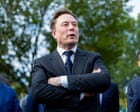
If you look past the official press releases about modernizing the armed forces, a stark reality emerges. The boundary between campaign finance, private corporate interests, and national security strategy has practically vanished. Figures like Elon Musk and Palmer Luckey stepping into advisory and defense board roles aren't just minor staffing choices. They represent a fundamental restructuring of how the United States prepares for tomorrow's conflicts.
The New Power Broker Blueprint
For decades, military procurement flowed through a predictable, albeit sluggish, pipeline. Traditional defense primes like Lockheed Martin, Raytheon, and General Dynamics dominated contracts. They spent millions lobbying, navigated layers of military bureaucracy, and slowly delivered hardware.
Hegseth wants to break that bureaucratic logjam. He's openly hostile to legacy systems and traditional military brass, famously pushing to slash top-tier leadership by twenty percent. But instead of opening the floor to transparent, open-source competition, the administration has institutionalized a shortcut. They are leaning heavily on tech oligarchs and major political donors who funded the MAGA movement.
When tech founders sit on Pentagon defense panels, they gain a front-row seat to shape the very requirements their own companies can fulfill. Critics call it a glaring conflict of interest. Supporters call it necessary disruption. But you don't need a degree in political science to see how handing defense strategy to billionaires who invested heavily in political campaigns creates a closed loop of influence.
Autonomous Warfare and Corporate Access
The creation of new initiatives like the Autonomous Warfare Command and specialized drone programs shows a clear pivot toward robotic systems. Speed matters in modern warfare. Drones, artificial intelligence, and automated threat detection move at software speed, not bureaucratic speed.
Yet, integrating commercial tech tools directly into core military networks raises massive security questions. When private platforms—such as proprietary AI models—become baked into defense infrastructure, public oversight takes a back seat. The Department of War can claim it's buying the best technology available, but when those vendors are also major political donors, accountability becomes messy.
Watchdog groups like the Project On Government Oversight have already sounded alarms, pointing out that committees shaping the future of warfare lack independent accountability experts. They are heavily weighted with tech contractors and commercial AI developers who stand to rake in billions from the proposed defense budgets.
Why This Shift Changes Everything
You might wonder why everyday citizens should care about who sits on a defense advisory board. The answer comes down to money and risk.
With defense budgets pushing past historic highs—including massive multi-trillion-dollar spending proposals—taxpayer dollars are funding private tech experiments at an unprecedented scale. When private donors dictate what weapons get built, the strategy shifts away from what the infantry soldier or naval commander actually needs on the ground. Instead, it favors high-margin tech products that Silicon Valley wants to scale.
Furthermore, relying on a handful of billionaire-backed private firms for critical infrastructure creates a single point of failure. If a private tech executive falls out of favor with the administration, or if commercial interests clash with national defense directives, the entire supply chain wobbles.
The defense establishment was built to be slow for a reason. Red tape is frustrating, but it acts as a safeguard against raw corruption and hasty decisions. By ripping out those guardrails and replacing them with billionaire donors, Washington is gambling national security on the promise of tech-bro efficiency.
The experiment is live, the contracts are signed, and the consequences will play out on the global stage long after the current administration leaves office.


