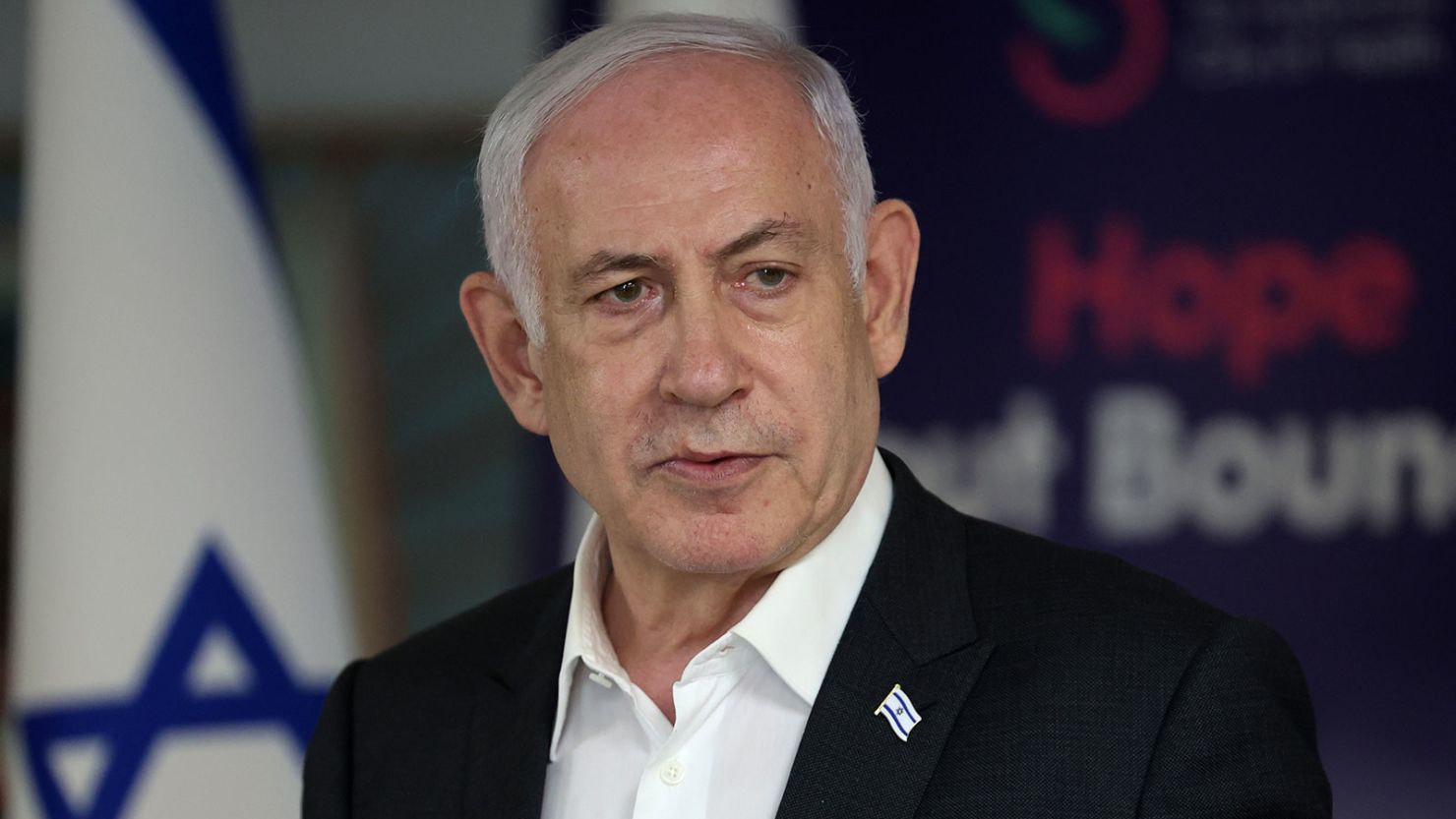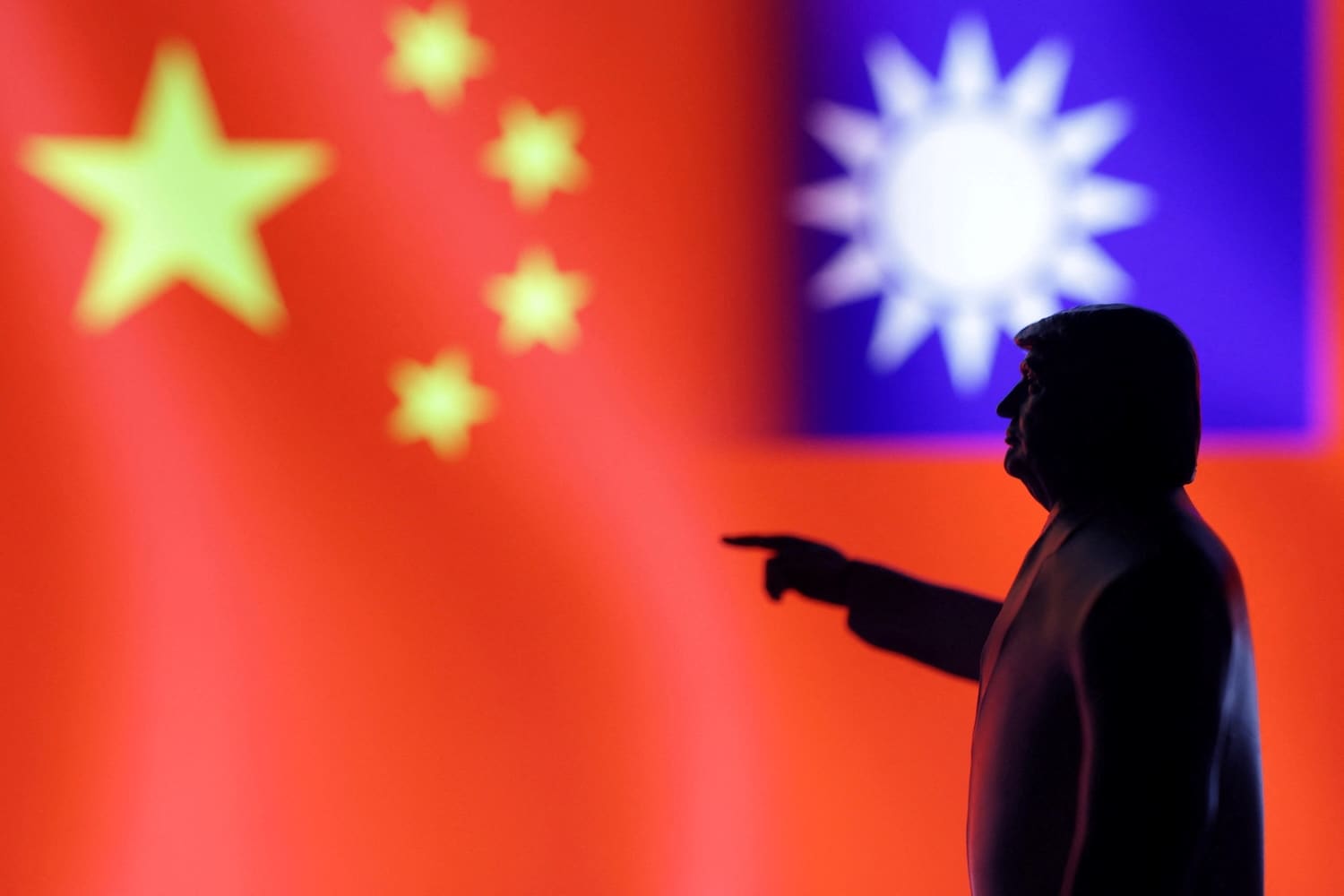
Taiwan isn't interested in being a bargaining chip. As President Lai Ching-te made clear in a video message to the Copenhagen Democracy Summit on May 12, 2026, the island’s resolve to defend itself is firm, regardless of what's discussed at high-level summits halfway across the world. Speaking just days before U.S. President Donald Trump and Chinese leader Xi Jinping meet in Beijing, Lai’s gratitude for American defensive support wasn't just a polite formality. It was a strategic signal.
You’ve likely seen the headlines about the looming Trump-Xi summit. There’s plenty of speculation about whether Taiwan’s security will be traded for trade concessions or climate goals. But the reality on the ground in Taipei tells a different story. Taiwan is busy building a "fortress island" that's becoming increasingly expensive and difficult to touch. In similar updates, take a look at: Peru’s Choice Between the Iron Fist and the Sombrero.
The Massive Scale of the New Defense Budget
Just last week, on May 8, Taiwan’s Legislative Yuan pushed through a massive supplementary defense budget capped at $24.8 billion. This isn't just a bump in spending. It’s a complete overhaul of how Taiwan prepares for the "gray zone" tactics and potential full-scale threats coming from across the Strait.
I’ve looked at the breakdown of where this money is going, and it’s a direct response to modern warfare lessons. We’re talking about: The New York Times has provided coverage on this critical subject in extensive detail.
- HIMARS rocket systems to provide mobile, long-range strike capabilities.
- NASAMS and PAC-3 MSE interceptors for a multi-layered air defense.
- A massive influx of drones (like the ALTIUS-600M) and counter-drone systems.
- Heavy armor, including the final batches of M1A2T Abrams tanks currently arriving on the island.
The sheer volume of these purchases shows that Taiwan is no longer just "hoping" for peace. It’s actively investing in a deterrent that makes any military adventure by Beijing look like a losing bet. By 2030, Lai wants defense spending to hit 5% of GDP—a level that would put Taiwan among the top military spenders globally relative to its size.
Standing Firm Before the Trump Xi Summit
The timing of Lai’s remarks is everything. When he says Taiwan will "never bow to pressure," he’s talking to two audiences at once.
First, he’s reminding Beijing that the 23 million people on the island view themselves as a sovereign, independent nation. He referenced the 1996 missile crisis, a time when I remember the world watching to see if Taiwan’s first free elections would be crushed by force. They weren't then, and Lai is betting they won't be now.
Second, he’s sending a message to Washington. While the second Trump administration has pushed for "America First" policies and questioned the cost of foreign alliances, the relationship with Taiwan has actually seen some of its biggest milestones recently. In early 2026, we saw an MOU on investment that could trigger $250 billion in Taiwanese capital flowing into the U.S., alongside a new trade agreement that slashed tariffs.
The message from Taipei is basically this: We are a valuable economic partner and we’re paying our own way for defense. Don't sell us out.
The Backlog and the Reality of Delivery
If you’ve followed this for a while, you know the biggest frustration has been the "backlog." For years, the U.S. approved sales, but the hardware didn't show up. That’s finally changing in 2026.
Recent reports show that the logjam is breaking.
- All 291 ALTIUS-600M suicide drones have been received as of March.
- The Harpoon Coastal Defense Systems are now being prioritized for Taiwan over other international buyers.
- The Narwhal, Taiwan’s first home-grown submarine, is currently smashing through its dive tests and torpedo trials.
This shift from "orders on paper" to "boots on the ground" (and subs in the water) changes the calculus. Beijing’s goal of being "ready to attack by 2027" is meeting a Taiwan that's much better armed than it was even two years ago.
What This Means for Global Stability
Honestly, the "status quo" is a myth. The situation is constantly evolving. When Lai thanks the U.S. for its "unwavering commitment," he’s acknowledging that Taiwan can't do this alone. But he’s also proving that Taiwan is doing the heavy lifting.
Critics often argue that arming Taiwan just provokes China. But from the perspective of many in Taipei, the only thing more provocative than strength is weakness. By securing these advanced systems, Taiwan is trying to ensure that the "catastrophic war" many fear remains too costly to start.
It's not just about missiles and tanks, though. It’s about the resilience of a democracy that has flourished under the shadow of a superpower. Lai’s defiant tone at the Copenhagen summit underscores that Taiwan sees itself as a "beacon of democracy" in Asia, not a piece of territory to be handed over.
Practical Realities of the 2026 Defense Landscape
If you’re watching this space, keep your eyes on the specific delivery timelines for the next few months. The arrival of the PAC-3 MSE missiles and the NASAMS units will be a massive upgrade for Taiwan’s "shield."
- Watch for the official notification of the $14 billion arms package that has been sitting in limbo. If the Trump administration notifies Congress before or during the Beijing summit, it’s a sign that the defense relationship is untouchable.
- Monitor the annual war games, which have been extended to two weeks to focus on "all-out defense" and civilian resilience.
- Keep an eye on the U.S.-Taiwan double taxation issue. While it sounds boring and technical, resolving it would tie the two economies even closer together, making a conflict even more economically painful for the rest of the world.
Taiwan is doing exactly what it said it would do: investing in its own survival while maintaining its role as a critical link in the global tech supply chain. The next few days in Beijing will be loud, but the work being done in Taipei is what really determines the future of the region.
Taiwan's military buildup explained
This video provides essential context on President Lai's recent defensive strategies and the specific military upgrades Taiwan is implementing to counter regional threats.