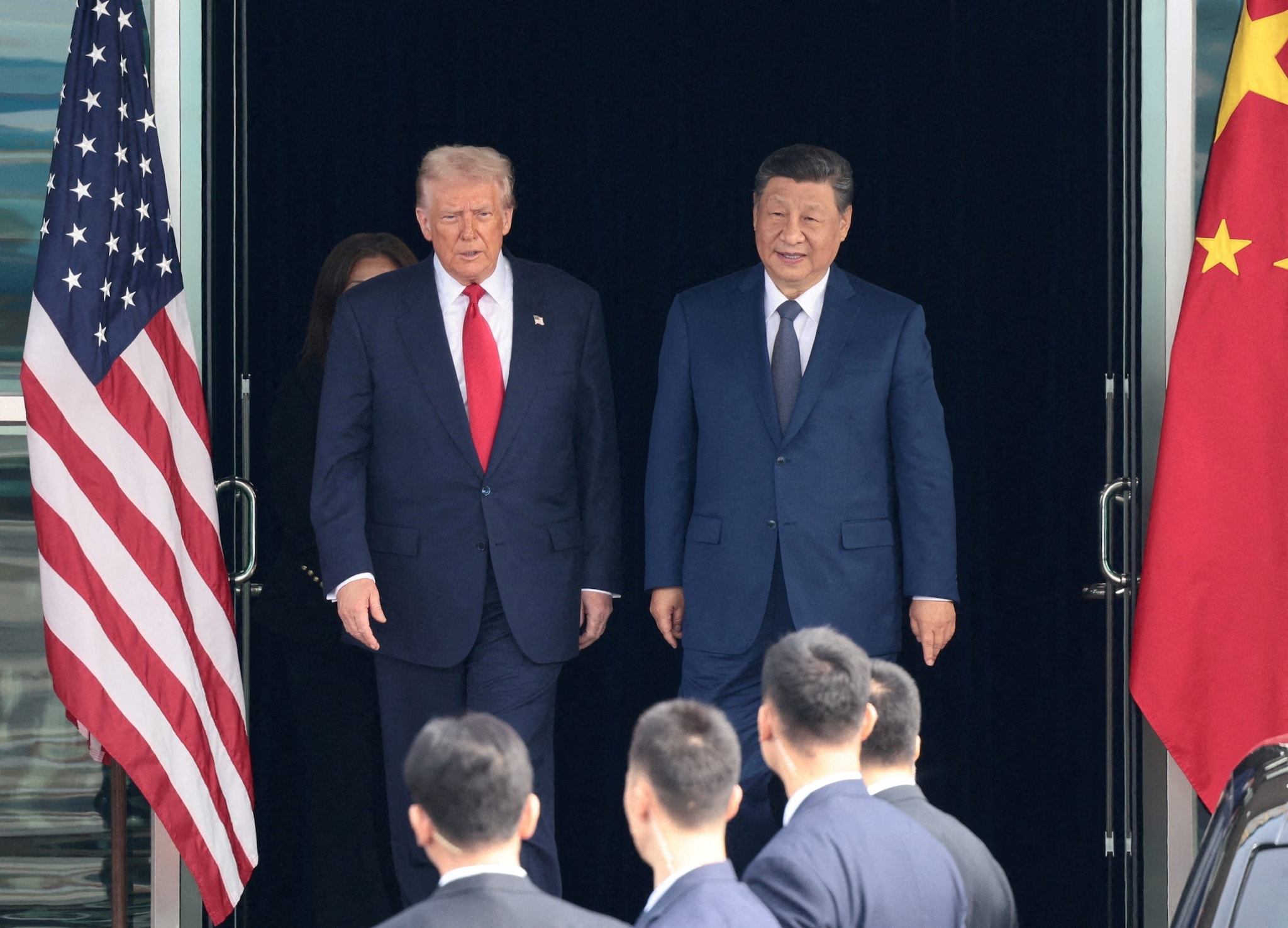
Donald Trump is heading to Beijing next month, and if you think this is just another photo op about trade deficits or soy beans, you're missing the real story. Behind the scenes, Xi Jinping has moved Taiwan to the absolute top of the agenda for their May summit. It’s a massive shift from their 2025 meeting in South Korea where Xi basically played it cool and kept the Taiwan issue on the back burner. Now? The gloves are off.
Beijing is sensing an opening. They’ve seen Trump’s transactional approach to foreign policy and they’re betting they can trade a few big-ticket economic wins for a fundamental shift in how the U.S. talks about Taiwan. It's not just about what is said; it’s about what isn't said. If you enjoyed this article, you might want to check out: this related article.
The Trap Being Set for Trump
Xi Jinping has been busy lately. He’s been hosting leaders from Vietnam, Spain, and the UAE, while playing the role of a global peacemaker in the Iran conflict. But the most telling move was welcoming Cheng Li-wun, the leader of Taiwan’s opposition Kuomintang (KMT) party, to Beijing just weeks ago.
During that meeting, Xi ditched the scary talk about "unification" and "one country, two systems"—phrases that honestly don't play well in Taiwan anymore after what happened in Hong Kong. Instead, he talked about being "one family." It’s a softer, less coercive narrative designed to trap Trump into agreeing with a "mainstream" position. For another angle on this development, refer to the recent coverage from TIME.
The goal is simple: get Trump to say the U.S. "opposes" Taiwan independence rather than the long-standing, carefully worded "does not support." It sounds like a tiny semantic tweak, but in the world of high-stakes diplomacy, it’s a tectonic shift. If Trump says "oppose," he’s essentially handing Beijing a veto over Taiwan’s future.
Why the Silicon Shield is Fraying
For years, we've heard about the "silicon shield." The idea was that Taiwan is so vital to the global economy because it makes over 90% of the world’s most advanced chips that China wouldn't dare attack and the U.S. wouldn't dare let it fall.
But the Trump administration is actively trying to dismantle that shield. Commerce Secretary Howard Lutnick has been blunt about it. He wants to reshore 40% of Taiwan's semiconductor supply chain to U.S. soil by 2029. He’s basically calling Taiwan’s chip monopoly a "single point of failure."
If the U.S. doesn't need Taiwan's chips to keep the AI revolution running, Taiwan loses its biggest insurance policy. Beijing knows this. They see a U.S. administration that's more interested in "Pax Silica" than in defending a democratic island 100 miles off the Chinese coast.
What Beijing Really Wants from the May Summit
Don't expect a grand bargain right away, but keep your eyes on these specific demands Beijing is ready to push:
- A Change in Rhetoric: As mentioned, moving from "not supporting" to "opposing" independence.
- Limiting Arms Sales: Trump authorized an $11 billion arms package in 2025, but Beijing wants him to consult with them on future sales. Trump actually admitted he's been "consulting" with Xi on this, which has people in Taipei freaking out.
- Silence in Strategy: The 2026 National Defense Strategy (NDS) notably omitted any direct mention of Taiwan for the first time in decades. Beijing wants that silence to become the new permanent status quo.
The View from Taipei
In Taipei, the mood is somewhere between "extremely nervous" and "cautiously preparing for the worst." The ruling Democratic Progressive Party (DPP) is stuck. They can't move toward formal independence because they don't have the numbers in the legislature, and they’re watching the KMT gain ground by playing nice with Beijing.
The KMT’s recent trip to Beijing gave Xi exactly what he needed: a "moderate" Taiwanese voice saying they don't want independence. This makes it much easier for Trump to justify a "deal" that sidelines Taiwan's security in favor of American economic gains.
Why This Matters to You
If Trump and Xi strike a deal that significantly weakens U.S. support for Taiwan, the ripple effects will be felt everywhere. We're talking about the potential for a massive realignment of power in the Indo-Pacific.
If the U.S. signals it’s willing to trade its security commitments for trade concessions, every other ally—from Japan to the Philippines—is going to start wondering if they're next on the chopping block. It's the end of the "policeman of the world" era and the start of something much more unpredictable.
Keep a close eye on the joint statement that comes out of the May summit. If you see the word "oppose" regarding Taiwan independence, or if there's a suspicious lack of mention of the Taiwan Relations Act, you'll know that Xi won this round.
What you should do next:
- Watch the wording: Check the official White House transcript immediately after the summit for any shift from "does not support" to "opposes."
- Monitor chip stocks: Any signal that the U.S. is accelerating the reshoring of TSMC’s tech will likely cause volatility in the tech sector.
- Track the KMT: See if the opposition in Taiwan gains more momentum following the summit; it'll tell you if Beijing’s "soft power" play is working.