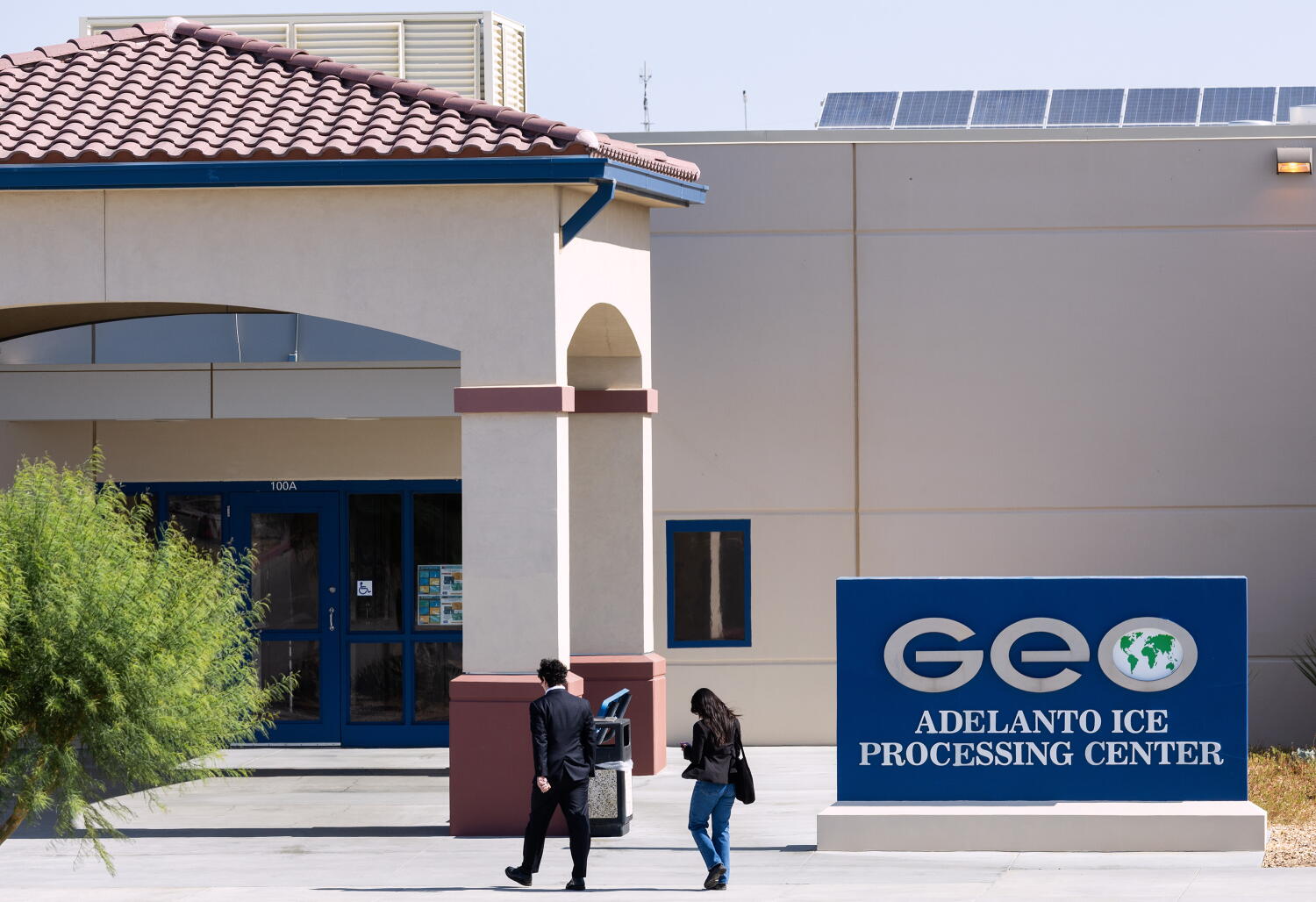
Operating a high-density, long-term detention facility within an arid environment introduces severe operational constraints. When infrastructure maintenance lags, and oversight mechanisms degrade, systemic failures inevitably manifest across sanitation, hydration, and medical compliance. The independent court monitor's report regarding the Adelanto ICE Processing Center provides empirical documentation of these structural breakdowns. Analyzing the facility requires examining the intersecting failure modes of environmental control, utility distribution, and administrative compliance.
Environmental Control and Vector Management
The presence of mold and gnat larvae within high-moisture zones such as shower rooms indicates a breakdown in baseline environmental hygiene protocols. In a desert climate, humidity management inside institutional plumbing corridors depends on continuous mechanical ventilation and chemical remediation. When air-handling units fail or drainage slopes pool water, organic matter accumulates, creating an ideal breeding medium for dipterous insects and fungal colonies.
The mechanism driving this contamination is twofold:
- Deferred Maintenance Loops: Routine inspections of sealant integrity and pipe chases are frequently postponed, allowing moisture to breach drywall and subfloor cavities.
- Ventilation Deficits: Inadequate air exchange rates trap ambient humidity indoors, accelerating spore germination on porous surfaces.
Mitigating these factors requires shifting from reactive pest control to continuous environmental monitoring, including hygrometer tracking in wet zones and scheduled structural drying cycles.
Utility Distribution and Potable Water Integrity
Water delivery systems in institutional settings rely on premise plumbing to maintain quality from the municipal source to the end-user. Reports of particulate contamination and biological matter in detainee water samples highlight vulnerabilities in internal distribution networks. Even when municipal supplies meet baseline standards at the meter, stagnant lines, dead legs in piping layouts, and compromised backflow preventers can foster bacterial growth and localized vector breeding.
The operational breakdown centers on the absence of localized filtration and back-flow verification. Without regular flushing protocols and point-of-use sediment filters, particulate accumulation becomes inevitable, leading to physiological risks such as dehydration when occupants restrict water intake due to sensory contamination. Restoring operational integrity demands immediate flushing regimes, independent water sampling audits at the tap, and verified access to uncontaminated hydration points across all housing units.
Administrative Tracking and Compliance Architecture
Physical deterioration inside a detention facility is frequently mirrored by administrative dysfunction. The independent monitor's findings regarding tracking systems for disability accommodations and visitation schedules reveal a systemic failure in data governance.
Institutional compliance relies on centralized database management where accommodation requests are tagged, assigned timelines, and audited. When facilities utilize fragmented tracking methods—such as manual logs or unlinked departmental silos—vulnerable populations experience chronic delays in receiving necessary medical devices, physical accessibility modifications, or legal counsel access.
Resolving these bottlenecks necessitates an automated, auditable ticketing system that strips discretion from individual shift supervisors and mandates compliance tracking at the executive level. Without a centralized feedback loop, internal conditions will continue to cycle through recurring compliance failures regardless of external oversight interventions.