Systemic Vulnerability Vectors in Northern Gaza Strip Infrastructure
The intersection of seasonal flooding and operational constraints creates a compounded infrastructural failure state in northern Gaza. Evaluating the European Union's call for immediate, unhindered access requires dissecting the physical, logistic, and legal variables governing the current crisis. When extreme weather impacts high-density, damaged urban environments, humanitarian assistance fails not simply due to physical blockage, but as a function of operational friction points across supply chain channels.
The capacity of an emergency response network under active conflict constraints depends on three structural variables: ingress throughput, internal transport resistance, and localized node distribution. For a closer look into similar topics, we suggest: this related article.
Total Delivery Capacity = Ingress Volume × (1 - Transport Friction) × Node Distribution Efficiency
When winter inundations strike temporary shelter encampments, the primary risk is not merely exposure, but the rapid degradation of secondary logistics corridors. Unpaved routes become impassable, temporary drainage systems collapse, and waterborne disease vectors scale exponentially relative to population density.
The Tripartite Mechanism of Supply Chain Contraction
Understanding the current humanitarian deficit requires analyzing three distinct operational bottlenecks: For additional context on the matter, in-depth coverage can also be found on NPR.
1. Ingress Bottlenecks and Inspection Protocols
Border crossing throughput operates under severe physical limiters. Material movement is throttled by multi-stage verification procedures, limited operational hours, and restricted physical lane capacity. When heavy rains degrade access roads leading to border inspection sites, the daily truck intake drops significantly below the baseline required for basic caloric and material maintenance.
2. Physical Transit Disruption
Flooding transforms compromised road networks into dead zones. Civil infrastructure in northern Gaza lacks functional storm-water evacuation mechanics due to prior destruction of municipal pumping facilities and energy grids. Consequently, standing water accumulates in low-lying topography where displaced populations congregate, severing the physical link between primary distribution hubs and downstream delivery points.
3. Distribution Node Capacity Decay
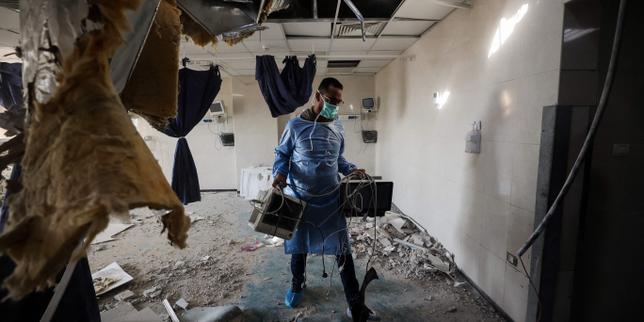
Humanitarian nodes—including temporary distribution centers, medical clinics, and shelter complexes—experience internal capacity decay during inundation events. Water intrusion damages stockpiled dry food rations, ruins medical supplies requiring dry storage, and compromises non-potable water sanitation mechanisms.
Legal Frameworks and Compliance Incentives
International humanitarian law provides clear guidelines regarding aid delivery during armed conflict. Article 59 of the Fourth Geneva Convention establishes that an occupying power must facilitate relief schemes if the population is inadequately supplied.
The political tension between international regulatory bodies (such as the EU) and state authorities boils down to competing operational priorities:
- State Security Imperatives: Sovereign nations prioritize strict screening protocols to prevent the transport of dual-use goods or materials that could reinforce hostile force capabilities.
- Humanitarian Urgency: International organizations prioritize raw speed and volume of delivery to prevent mass mortality events caused by exposure, starvation, and disease outbreaks.
This systemic friction generates continuous delay cycles. Every additional inspection tier reduces total supply velocity. In high-density disaster zones, a temporary halt in aid movement compounds the health risk exponentially rather than linearly.
Quantification of Risk: The Disease Vector Model
Flooding in high-density informal settlements alters the epidemiological landscape. Without operational wastewater management, storm runoff mixes directly with raw sewage. The transmission rate of enteric pathogens (such as Vibrio cholerae or Salmonella enterica) scales directly with population density and open water accumulation.
To mitigate epidemic outbreaks during inundation events, humanitarian interventions must prioritize two immediate operational vectors:
- Water Purification and Vector Neutralization: Rapid deployment of mobile water treatment units and mass distribution of chlorine tablets to bypass broken municipal pipes.
- Structural Shelter Elevation: Replacing ground-level temporary shelters with raised, weather-resistant units to reduce direct exposure to contaminated standing water.
The resolution of the crisis requires establishing permanent, weather-resilient transit channels that operate independently of seasonal weather disruptions and streamlined inspection procedures capable of maintaining throughput during emergency operational windows.


