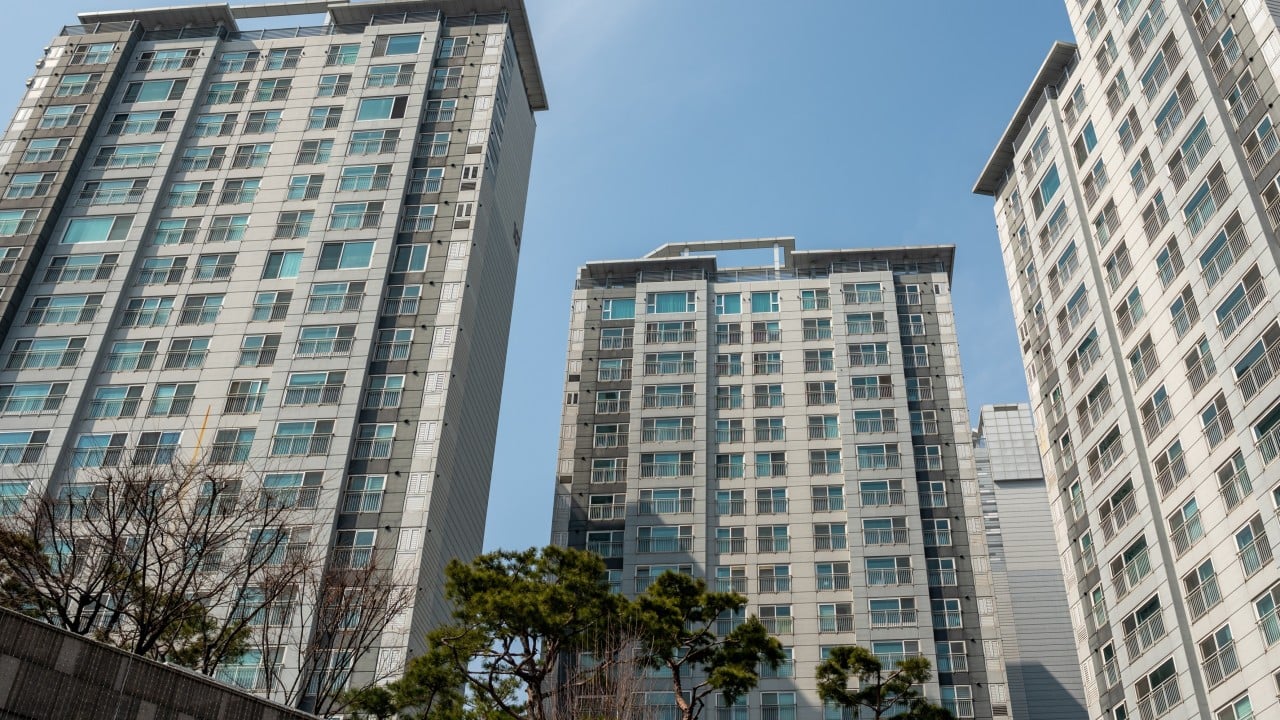
International residents attempting to secure residential leases in South Korean urban centers face a systemic friction point defined by linguistic exclusion, complex statutory requirements, and heightened exposure to capital loss. While municipal interventions such as the Gangbuk District multilingual administrative guidance program attempt to bridge this divide, understanding why foreign tenants remain uniquely vulnerable requires examining the underlying market architecture. Residential tenancy in South Korea operates on distinct legal and financial mechanics that diverge sharply from Western leasing models, turning minor informational asymmetries into catastrophic financial liabilities.
The South Korean rental market relies primarily on high-deposit structures, most notably the Jeonse system—where tenants provide a lump-sum deposit often reaching up to seventy percent of the property's market value instead of monthly rent—or heavily capitalized monthly rent structures known as Wolse. This capital concentration shifts default risk almost entirely onto the tenant. When a landlord faces property foreclosure, bankruptcy, or systemic auction, the recovery of that principal capital depends entirely on precise administrative compliance executed within tight statutory windows.
For international populations, this creates a severe structural penalty. Linguistic barriers prevent non-Korean speakers from independently verifying encumbrances on a property register, known as the certified copy of the registry or deungbon. Without the capacity to interpret priority liens, prior mortgages, and building ownership histories, foreign renters routinely sign contracts on distressed or over-leveraged assets. The absence of native-language legal literacy transforms standard administrative tasks into high-stakes gambles.
To mitigate these risks, municipal authorities have deployed localized administrative interventions. The most prominent mechanism involves automated multilingual stamps affixed to official documentation when foreign residents register their move-in address at local neighborhood community centers. These stamps translate crucial legal protections governed by the Housing Lease Protection Act into nine languages, including English, Chinese, Vietnamese, Mongolian, Filipino, Uzbek, Japanese, Taiwanese, and Thai.
The utility of these stamps centers on the acquisition of official fixed date status, designated as hwakjeong ilja. In South Korean jurisprudence, obtaining this stamp from a community service center alongside residency registration grants the tenant legal priority over subsequent creditors. If the property enters a forced auction, holding a valid fixed date ensures the tenant can reclaim their security deposit ahead of general commercial claimants. By automating this notification process in foreign languages, municipal offices attempt to bypass the information bottlenecks that historically left non-Korean speakers unprotected against junior lienholder vulnerabilities.
Complementing physical stamps, digital integration strategies now connect foreign residents directly to municipal civic infrastructure. District offices distribute QR code stickers that prompt users to install the MY SEOUL mobile application operated by the Seoul Metropolitan Government. This application aggregates multi-language housing guidelines, municipal safety updates, and multicultural social services into a single access point. Furthermore, the Ministry of Justice provides standardized trilingual lease contract templates in English, Chinese, and Vietnamese to ensure that contract negotiation clauses are fully understood prior to signature execution.
Despite these municipal upgrades, institutional friction persists across private-sector execution. The city-administered Global Real Estate Agency program designates specialized brokerages to handle foreign client consultations in multiple languages. However, operational audits reveal significant variance in execution quality. While some designated agencies manage end-to-end consultations in fluent English or other targeted languages, many rely on auxiliary text messaging applications to translate dialogue after initial phone contact. This reliance introduces translational drift, where nuanced clauses regarding maintenance liabilities, early termination penalties, and utility settlements become obscured.
The macroeconomic backdrop further intensifies the urgency of these administrative safeguards. Following widespread domestic rental fraud scandals across South Korea, lease security has transformed from a private contractual concern into a top-tier municipal stability issue. Domestic renters with deep familial and social networks frequently struggle to navigate complex restitution procedures; international students, migrant workers, and marriage migrants operating without local legal support networks face exponential exposure. As the registered foreign population in districts like Gangbuk nearly doubles over a decade, municipal safety nets must evolve from passive informational translation to active transactional oversight.
Institutional stakeholders and foreign tenants operating within this ecosystem must shift their approach from reactive compliance to proactive risk engineering. Prospective renters should bypass informal brokerage channels entirely, restricting their property searches strictly to verified municipal global real estate agencies while independently pulling property registry documents prior to any financial transfer. Simultaneously, municipal authorities must tie the retention of global agency certification to mandatory biannual legal audits, ensuring that multilingual lease templates are executed line-by-line without deviation.