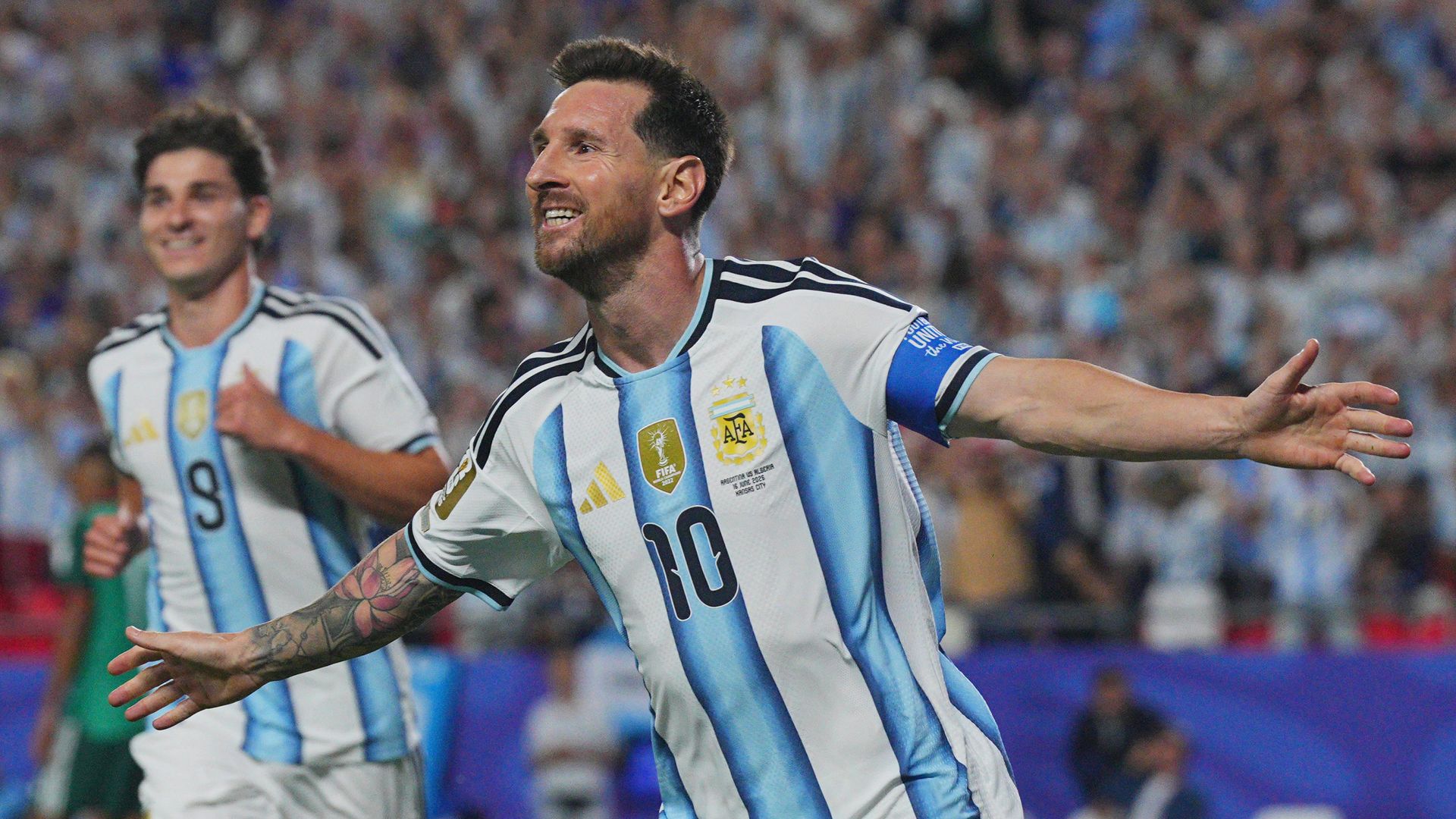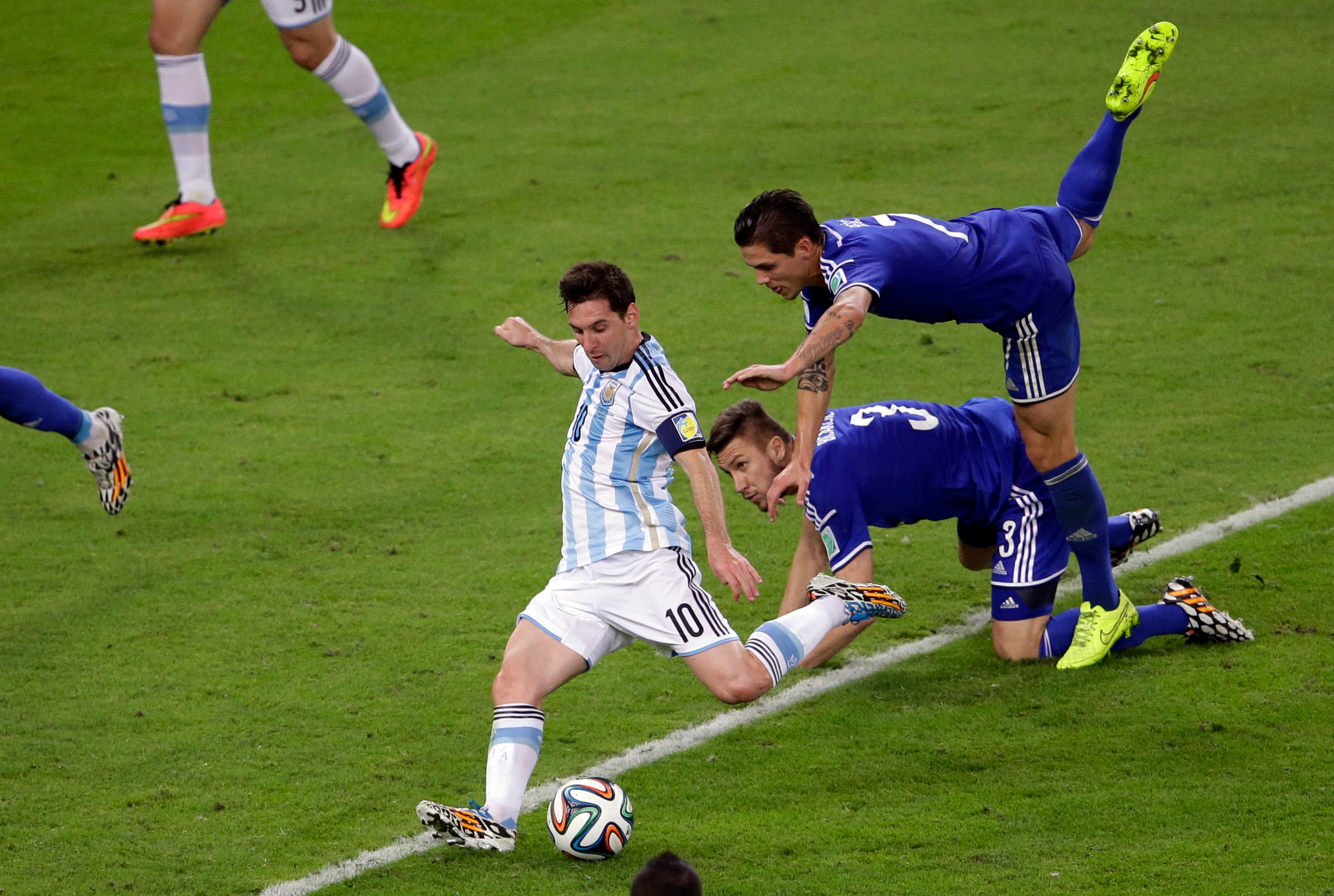
International football careers do not end because of declining biological performance alone; they terminate when the marginal utility of enduring the physical and emotional friction of national team duties approaches zero. Lionel Messi formalized his departure from the Argentina national team at age 39, closing a twenty-year operational window that yielded 207 caps and 125 goals. The announcement, delayed from a draft written on July 21 following a 1-0 extra-time defeat to Spain in the 2026 FIFA World Cup final, was accelerated by the August passing of his father and career anchor, Jorge Messi. Deconstructing this exit requires examining the systemic variables that dictated his timeline: the energy expenditure model of modern tournament play, the psychological cost function of national representation, and the generational succession pipeline that makes his departure economically and tactically viable for the Albiceleste.
The primary driver behind any late-career international retention strategy is the physiological load threshold. By 2026, elite play demands extreme high-intensity sprints, rapid recovery cycles, and resistance to muscular degradation under acute travel fatigue. Messi's performance metrics through the 2026 World Cup—where he played 120 minutes in both the Round of 32 against Cabo Verde and the quarter-final against Switzerland, followed by a full 120 minutes in the final against Spain—demonstrate that his aerobic engine could still clear international benchmarks. However, operating at the elite tier requires a compounding deficit. Every international window introduces trans-meridian travel, disrupted training micro-cycles at Inter Miami, and elevated soft-tissue risk. As Messi noted in his farewell correspondence, his physical limits had reached a structural ceiling: his legs could no longer absorb the velocity required without compromising his foundational health.
The architecture of this decision rests on three distinct operational pressures:
The Asymmetric Burden of Representation: Playing for a hyper-critical national base creates a psychological tax profile unseen in club environments. For over a decade, Messi operated under a systemic paradox where his extraordinary club output was treated as baseline, while international failures were ascribed entirely to his leadership failures. Winning the 2021 Copa America, the 2022 World Cup, and subsequent continental titles neutralized this deficit, shifting his status from a contested asset to an unassailable national institution. Once the debt of expectation was paid in full, the risk-reward ratio of continuing inverted.
The Generational Replacement Velocity: A sustainable national program requires a clean handoff between legacy nodes and emerging talent. Argentina’s talent pipeline has matured prospects capable of absorbing tactical responsibilities without breaking collective shape. Continuing to occupy a starting role past the 2026 cycle would have artificially suppressed the development minutes of younger attackers. Messi explicitly acknowledged this bottleneck, noting that rising prospects had earned their positional rights and that his retention would impede the natural evolution of the squad's tactical identity.
The Cumulative Personal Friction Index: The death of Jorge Messi in August 2026 removed the central operational pillar of Messi's professional life. Elite athletes are bound to their craft by networks of support, mentorship, and emotional stabilization. The loss of a lifelong confidant altered his internal calculus, shifting his focus toward structural preservation, family continuity, and completing his club contract commitments with Inter Miami through 2028.
Comparing this retirement to his temporary withdrawal in 2016 reveals a fundamental shift in institutional maturity. In 2016, the exit was a reactive emotional valve following consecutive final losses in major tournaments, driven by a desperate desire to break a cycle of systemic underachievement. The 2026 exit is a proactive, strategic closure. The prior iteration was sparked by deficit; the current iteration is defined by surplus. He leaves a program that is structurally sound, culturally unified, and equipped with a winning methodology.
For the Argentine Football Association, the tactical challenge moving forward is not finding a direct functional replacement—an impossibility given his singular playmaking gravity—but rather transitioning to a distributed offensive architecture. Without a central hub capable of dictating defensive low blocks through hyper-efficient spatial manipulation, the coaching staff must implement a higher-pressing, transitional system that spreads creative responsibilities across multiple midfielders and wide forwards.
Reallocate tactical focus toward building an engine room that relies on collective pressing metrics and vertical acceleration rather than static brilliance, ensuring the national team structure survives the transition from a talent monopoly to a decentralized collective.